

Trusopt
4 customer reviewsTrusopt is a prescription eye drop containing dorzolamide hydrochloride. It is used for people with open-angle glaucoma or ocular hypertension. It lowers intraocular pressure by reducing aqueous humor production in the eye.
What is it?
Trusopt is a prescription ophthalmic anti-glaucoma agent (an antiglaucoma agent and part of the ocular hypotensive agents group) used to reduce elevated intraocular pressure (IOP). High eye pressure matters because it can damage the optic nerve over time, which is the central concern in open-angle glaucoma.
The active ingredient is Dorzolamide (as dorzolamide hydrochloride), which is designed for topical ophthalmic use inside the eye rather than as a tablet. Guidance on glaucoma care pathways is aligned with international recommendations referenced by the WHO for chronic eye conditions [1].
Composition
Trusopt contains dorzolamide hydrochloride as a 2% ophthalmic solution, equivalent to 20 mg/mL.
How to use?
Use Trusopt as topical ophthalmic drops in the affected eye(s) exactly as prescribed.
A practical administration sequence:
- Wash and dry your hands.
- Tilt your head back and look up.
- Pull down the lower eyelid to form a small pocket.
- Instill one drop into the affected eye(s).
- Close the eye gently and press a finger at the inner corner of the eye (near the nose) for 1–2 minutes.
- Keep the bottle tip from touching the eye, eyelashes, or skin.
This inner-corner press is called nasolacrimal occlusion. It reduces drainage into the nose and throat, which can lower the chance of systemic adverse effects like dizziness.
Trusopt Dosage for Adults and Children
For adults, the commonly used regimen for Trusopt 2% is one drop in the affected eye(s) three times daily when used as monotherapy. When combined with a topical beta‑blocker (like timolol), many prescribers use one drop twice daily, since the beta‑blocker covers part of the day-night pressure curve.
For children, dosing is individualized by the ophthalmologist and depends on age, diagnosis, and whether other ocular hypotensive agents are used at the same time. In real-world pediatric care, clinicians pay extra attention to technique and punctual spacing between drops, because small dosing errors can change IOP meaningfully in a smaller eye.
If you miss a dose, use it when you remember unless it is close to the next scheduled dose. Do not double-dose into the eye.
This “2% ophthalmic solution” format is designed for measured, repeat dosing to the affected eye(s). It is not intended for injection or oral use.
How does it work?
- Route: Topical ophthalmic (eye drops).
- Dose/concentration: 20 mg/mL (2%) dorzolamide hydrochloride.
- Frequency: Instill 1 drop in the affected eye(s) 3 times daily.
- Timing: Space doses evenly across the day (morning, afternoon, evening); may be used with or without meals.
- Duration: Long-term/continuous use as prescribed; continue until the prescriber changes or stops therapy.
Indications
Trusopt is used for:
- Open-angle glaucoma, where the eye’s drainage angle is open but fluid outflow is reduced, raising IOP
- Ocular hypertension, where IOP is higher than normal without confirmed glaucoma damage yet
Comparison
Dorzolamide is one of several drug classes used to lower intraocular pressure in open-angle glaucoma. They differ in mechanism, dosing frequency, and the side effects that most often limit them, which is why glaucoma is frequently managed with a combination rather than a single drop.
| Drug | Class | Dosing frequency | Key limitation |
|---|---|---|---|
| Trusopt (dorzolamide) | Topical carbonic anhydrase inhibitor | 3 times daily (twice if combined with timolol) | Stinging, bitter taste; avoid with sulfonamide allergy or severe renal impairment |
| Timolol | Beta-blocker | Once or twice daily | Can slow heart rate and worsen asthma/COPD |
| Latanoprost | Prostaglandin analogue | Once daily (evening) | Iris/eyelash darkening, eye redness |
| Brimonidine | Alpha-2 agonist | 2–3 times daily | Allergic conjunctivitis, drowsiness, dry mouth |
Prostaglandin analogues like latanoprost are often first-line because once-daily dosing helps adherence. Dorzolamide earns its place when a beta-blocker is unsuitable — for example, in someone who already runs a slow pulse — since it has little effect on heart rate or blood pressure. The honest trade-off is comfort: three-times-daily stinging drives more non-adherence than patients expect at the start.
Contraindications
- Hypersensitivity to dorzolamide, dorzolamide hydrochloride, or other components of Trusopt 2%
- Severe renal impairment (CrCl <30 mL/min)
- Known severe reaction history to sulfonamides (dorzolamide is a sulfonamide derivative)
Not recommended for
Avoid using Trusopt if you have ever had an allergic reaction to dorzolamide or similar sulfonamide medicines. It may also be unsuitable if you have severe kidney problems, because the medicine and its by-products can build up in the body. Tell your clinician about past severe drug allergies before starting the drops.
Side effects
Most side effects are local and happen shortly after instilling the drop. Stinging is common. It can be annoying.
Common or expected effects
- Burning, stinging, or itching in the eye
- Temporary blurred vision right after the drop
- Eye redness or watery eyes
- Bitter taste in the mouth (from drainage through the tear duct)
Less common effects that still occur in practice
- Headache
- Dry mouth
- Nausea
- Eyelid irritation or crusting
- Dizziness (this can happen, especially if drops drain into the nose/throat)
Seek urgent care if these occur
- Sudden swelling of eyelids/face, widespread rash, or breathing difficulty (possible hypersensitivity)
- Significant eye pain, marked light sensitivity, or a sharp decline in vision
- Signs of severe allergy in someone with sulfonamide sensitivity history (dorzolamide is a sulfonamide derivative)
One nuance many patients notice: a mild sting that lasts 10–20 seconds is typical, but pain that builds over minutes is a different pattern and needs review. Another nuance: if vision stays hazy for longer than expected after each dose, your clinician may check the cornea and tear film, since surface irritation can be the driver.
Common mistakes
These are the issues that most often reduce Trusopt results in day-to-day use:
- Touching the dropper tip to lashes or the eye: contamination risk rises and irritation can worsen.
- Instilling drops too close together with other medicines: the second drop flushes out the first.
- Blinking hard right after dosing: the medicine pumps into the tear duct and increases bitter taste.
- Stopping because the eye stung for a week: mild sting is common early; persistent pain is different and needs review, but early stinging alone often improves.
- Trying to “catch up” with extra drops after a missed dose: it increases irritation without improving control.
One small habit helps: store your drops in the same place every day and link dosing to a fixed routine like brushing teeth. Adherence drives IOP control more than brand choice.
Doctor opinions
In ophthalmology clinics, dorzolamide is often viewed as a steady “workhorse” option when pressure reduction is needed without relying only on beta-blockers. Doctors also like that it has minimal effect on pulse and blood pressure compared with some alternatives, which can matter in patients who already run bradycardic.
Clinicians also see the trade-offs. Trusopt can irritate the ocular surface, and that irritation drives non-adherence more than patients expect at the start. Another pattern I have seen: people using three-times-daily dosing do well for the first month, then quietly drift to twice daily because of work schedules; IOP rises and the patient feels fine, so the drift continues until the next measurement.
A final practical point doctors repeat: the “inner-corner press” is not optional advice. It is a measurable way to reduce systemic exposure from eye drops, and it can improve tolerability in people who report dizziness or nausea after instillation.
Frequently asked questions
How fast does Trusopt start lowering eye pressure?
Trusopt can begin lowering intraocular pressure within hours of dosing, with a more stable effect as regular dosing continues. Many clinicians assess the practical benefit at follow-up visits by comparing IOP readings across visits, not by “feel,” because glaucoma and ocular hypertension are often symptom-free. The EMA-reviewed product information describes dorzolamide as reducing aqueous humor production to lower IOP.
What should I do if I miss a dose of Trusopt?
If you miss a dose, use it when you remember unless the next scheduled dose is soon. Skip the missed dose rather than putting in extra drops close together, since that usually increases stinging without improving pressure control. People who miss doses frequently often do better using phone reminders tied to fixed daily events. Medication-safety advice used in UAE practice aligns with MOHAP expectations around adherence support in chronic disease therapy.
Use of Trusopt with other glaucoma drops
Trusopt is often combined with other ocular hypotensive agents when one medicine does not lower IOP enough. Spacing drops by 5–10 minutes helps each medicine absorb properly, and nasolacrimal occlusion can reduce systemic absorption. If you are also prescribed a systemic carbonic anhydrase inhibitor, your prescriber may monitor for additive effects like fatigue or acid–base changes. Combination approaches for open-angle glaucoma are described in clinical guidance referenced by NICE pathways for glaucoma management [4].
Temporary vision changes and transient myopia
Some people experience temporary vision blur after instilling Trusopt, and a small subset can develop transient refractive changes, including transient myopia. This is usually reversible after stopping or adjusting therapy, but it should be assessed promptly if vision changes are sudden or significant. The mechanism is thought to be related to sulfonamide-associated idiosyncratic ocular responses in susceptible individuals. Safety signal collection at the global level is coordinated through WHO pharmacovigilance structures [5].
Use during pregnancy and breastfeeding
Dorzolamide is generally avoided in pregnancy unless clearly needed, and human data are limited, so the EMA SmPC does not recommend routine use during pregnancy. There is no clear safety signal of harm at topical ocular doses, but the absence of strong data is the reason caution applies rather than a known risk. Eye drops can still enter the bloodstream, so clinicians focus on minimizing exposure with inner-corner pressure for 1–2 minutes after each dose and the lowest effective regimen. During breastfeeding, dorzolamide may pass into breast milk in small amounts, so a clinician weighs continued treatment against alternatives. The overriding factor is that uncontrolled eye pressure can permanently damage the optic nerve, so therapy is individualised rather than stopped by default.
Contact lenses and Trusopt routines
Soft contact lenses should be removed before using Trusopt because benzalkonium chloride can be absorbed by lenses and irritate the ocular surface. Waiting at least 15 minutes before reinserting lenses lowers preservative contact time and reduces discomfort. If you need drops multiple times daily and wear lenses for long hours, dryness may become a limiting factor and your clinician may adjust the plan. Practical lens safety recommendations are consistent with standard ophthalmic medicine counselling used across eye-care services.
Do you offer anonymous delivery?
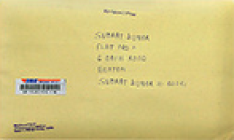 Front view
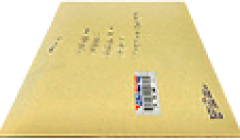 Side view
 Back view
Your order will be securely packed and shipped within 24 hours. This is exactly what your package will look like (images of an actual item sent). It has the size and look of a regular private letter (9.4x4.3x0.3 in. or 24x11x0.7 cm) and its contents cannot be seen.
Trusopt — Comparison with alternatives


Storage, contact lenses, and travel
Trusopt contains the preservative benzalkonium chloride, which is why soft contact lenses should be removed before each dose and reinserted no sooner than 15 minutes later. The preservative can be absorbed by the lens material and irritate the eye surface.
Store the bottle at room temperature with the cap tightly closed, and keep the dropper tip from touching any surface. Once opened, eye-drop bottles have a limited in-use shelf life — typically about four weeks — because contamination risk rises over time. If you travel, keep the bottle out of hot cars and direct sun, and pack a spare if your trip is longer than the in-use period of your current bottle.
Reviews and Experiences
Sources
- World Health Organization (2019). World report on vision ↑
- European Medicines Agency (2023). Dorzolamide: Summary of Product Characteristics (SmPC) ↑
- MOHAP (2022). Guideline for Good Pharmacy Practice (United Arab Emirates) ↑
- NICE (2022). Glaucoma: diagnosis and management (NG81) ↑
- World Health Organization (2020). WHO Programme for International Drug Monitoring (Uppsala Monitoring Centre collaboration) ↑
