

Ofev
4 customer reviewsOfev is a prescription medicine containing nintedanib, a tyrosine kinase inhibitor. It is used for adults with certain fibrosing lung diseases such as idiopathic pulmonary fibrosis and systemic sclerosis-associated interstitial lung disease, and in selected pathways for non-small cell lung cancer. It works by blocking signalling pathways involved in fibrosis and tumour growth.
What is it?
Ofev (nintedanib) is a prescription anti-fibrotic medicine that slows disease progression in selected lung conditions where scarring drives worsening breathlessness and declining lung function. It is used in adults with idiopathic pulmonary fibrosis, progressive fibrosing interstitial lung diseases, and systemic sclerosis-associated ILD, plus selected non-small cell lung cancer pathways. It works by blocking the tyrosine kinase signalling that contributes to scar formation and tumour growth.
Composition
Ofev contains nintedanib, and Ofev is a brand name for Nintedanib. Nintedanib is a tyrosine kinase inhibitor (TKI) that targets receptors such as VEGFR, FGFR, and PDGFR, which are involved in fibrotic signalling and angiogenesis.
How to use?
Ofev is taken by mouth, and it should be taken with food to reduce gastrointestinal side effects. The typical adult dose used for many ILD indications is 150 mg twice daily (bid), and the maximum adult dose is 300 mg daily.
Dose selection is often shaped by liver function:
- Ofev requires dose adjustment for mild hepatic impairment (Child Pugh A), where a lower dose such as 100 mg by mouth every 12 hours (PO q12hr) may be used.
- Ofev is not recommended in moderate-to-severe hepatic impairment (Child Pugh B or C).
A simple administration routine many patients manage well:
- Take doses about 12 hours apart.
- Take each dose with a meal or substantial snack.
- Swallow the capsule whole with water.
Do not crush the capsule.
Do not open the capsule.
Keep dosing consistent.
One practical detail patients notice quickly: these capsules can leave a strong aftertaste if they sit in the mouth, so swallowing promptly with water is usually more comfortable.
How does it work?
- Route: Oral (capsules)
- Dose: 150 mg per dose
- Frequency: 2 times/day
- Timing: Take with food (during or immediately after a meal)
- Time of day: Morning and evening, about 12 hours apart
- Duration: Long-term treatment as prescribed; continue daily until your prescriber advises stopping
Indications
Ofev, containing the active ingredient nintedanib, is a medication used to treat specific chronic fibrosing interstitial lung diseases, including idiopathic pulmonary fibrosis (IPF) and systemic sclerosis-associated interstitial lung disease (SSc-ILD). It is also indicated for certain types of non-small cell lung cancer.
Comparison
Patients often compare the two main anti-fibrotic options for idiopathic pulmonary fibrosis. Both slow lung function decline; they differ in mechanism, side-effect profile, and dosing routine. The choice usually comes down to comorbidities, interaction risk, GI tolerability, liver function, and what the pulmonologist thinks fits the phenotype.
| Drug | Class | Key side-effect profile | Best fit |
|---|---|---|---|
| Ofev (nintedanib) | Tyrosine kinase inhibitor | Diarrhoea, nausea, raised liver enzymes, bleeding tendency | IPF, progressive fibrosing ILD, SSc-ILD; also a NSCLC pathway |
| Pirfenidone | Antifibrotic (mechanism distinct from TKIs) | Photosensitivity rash, nausea, anorexia; three-times-daily dosing | IPF where photosensitivity is manageable and a non-TKI is preferred |
Neither reverses fibrosis. The honest trade-off is tolerability: nintedanib's main burden is GI and liver monitoring, while pirfenidone often demands strict sun protection. Many patients try one and switch if side effects prove limiting.
Contraindications
- History of serious hypersensitivity to nintedanib or capsule components
- Moderate-to-severe hepatic impairment (Child Pugh B or C)
- Pregnancy
- Breastfeeding
Not recommended for
This medication is not for you unless your specialist has clearly decided the benefit outweighs the risk if you have a history of allergy to nintedanib or ingredients in the capsule, if you have significant liver problems, or if you are pregnant or planning pregnancy. It may also be unsuitable if you are breastfeeding.
Extra caution is needed if you have any liver disease, a higher bleeding tendency or you take blood thinners, recent abdominal surgery or bowel conditions that raise perforation risk, or significant cardiovascular disease, because your monitoring plan may need to be tighter.
Side effects
The most common Ofev side effects are gastrointestinal. Diarrhoea is the leading issue, followed by nausea, vomiting, abdominal pain, reduced appetite, and weight loss. Fatigue and headache are also reported. For many patients, the first two to four weeks are the hardest; symptoms often become more predictable once you learn your “safe foods” and rescue plan.
A key medical risk is drug-induced liver injury. Ofev can raise liver enzymes (ALT, AST) and bilirubin, and clinicians use baseline and periodic liver function testing to catch early signals before symptoms become severe [3]. Call your prescriber promptly if you develop dark urine, yellowing of the skin/eyes, intense itching, or right-upper abdominal pain, since these can fit a liver injury pattern.
Other clinically relevant risks include:
- Bleeding risk, since nintedanib affects pathways involved in blood vessel signalling.
- Arterial thromboembolic events in susceptible patients.
- Gastrointestinal perforation, rare but serious, with higher risk in people with certain GI conditions or on specific co-medications.
- Poor wound healing, so surgery planning often includes a pause strategy.
One more real-world point: Ofev can cause dehydration if diarrhoea is not managed early, and dehydration can amplify dizziness and kidney stress even in people with previously stable labs.
Common mistakes
Common patient mistakes that reduce tolerability
Patients can “fail” Ofev because of avoidable routine errors rather than lack of effect. The patterns below are ones I’ve seen repeatedly in UAE practice.
- Taking Ofev on an empty stomach, then assuming the drug is intolerable.
- Skipping meals to avoid nausea, which can worsen nausea and fatigue.
- Doubling a dose after a missed dose, which often triggers diarrhoea and abdominal cramping.
- Starting new supplements without mentioning them, then being surprised by bruising or stomach upset.
Doctor opinions
In clinical practice, the patients who do best on Ofev are the ones who treat it as a long-term programme with predictable checkpoints. For idiopathic pulmonary fibrosis and chronic fibrosing interstitial lung diseases, the goal is often to slow FVC decline and reduce the pace of worsening rather than to chase a dramatic symptom change after the first week. For systemic sclerosis-associated interstitial lung disease, rheumatology and pulmonology teams often co-manage patients, since skin, GI symptoms, and lung fibrosis can all influence tolerability.
Dose interruptions happen. They are common. A short pause or a reduction for diarrhoea or liver enzyme elevations is a standard, planned manoeuvre in many clinics, and it is usually less risky than forcing through severe side effects and ending up dehydrated or malnourished.
The patients I worry about are the stoic ones who “push through” diarrhoea for two weeks without reporting it. Weight drops fast in ILD, and once you lose muscle, breathlessness often feels worse even if lung function trends are stable.
Frequently asked questions
How fast does Ofev start working for IPF or progressive fibrosing ILD?
Ofev is not a “feel it today” medicine. Many people do not notice an immediate change in breathlessness, because the main measured benefit is slowing lung function decline over time rather than producing a quick symptom lift. Spirometry trends such as FVC are usually assessed at scheduled intervals, and stability can be a meaningful win in fibrosing disease. This aligns with how EMA-reviewed trials and product information (EMA, 2024) describe outcomes [4].
What is the best way to take Ofev to reduce stomach side effects?
Take Ofev with food and keep doses around 12 hours apart; this routine reduces nausea and helps make diarrhoea easier to manage. For many patients, higher-fat foods are easier than very spicy or high-fibre meals during the first month. Hydration matters, since diarrhoea can quietly cause dehydration and fatigue. WHO guidance on oral rehydration principles is often used by clinicians when diarrhoea persists, even outside infectious illness contexts [5].
What happens if I miss a dose of Ofev?
Skip the missed dose and take the next dose at the scheduled time; doubling up is a common trigger for intense diarrhoea and cramping. If missed doses are frequent, clinicians usually look for a practical barrier such as morning nausea, shift work, or poor appetite. Solving the barrier is often better than changing the drug.
Which side effect is most likely to make people stop Ofev?
Diarrhoea is the main reason people request a break or dose reduction. Nausea, loss of appetite, and weight loss also matter, especially in patients who start with low body weight or have systemic sclerosis-related GI issues. Early management usually keeps patients on therapy longer than “waiting it out.” EMA product information highlights GI effects and liver monitoring as core safety themes.
Does Ofev interact with blood thinners?
Ofev can increase bleeding tendency, and many clinicians take extra care when patients use anticoagulants or antiplatelet therapy. The plan may include closer monitoring, reviewing bruising or nosebleeds, and checking for other contributors like NSAID use. Do not stop blood thinners on your own; the goal is a coordinated plan that balances clot prevention with bleeding risk. These cautions reflect risk management approaches described in regulatory product information.
Is Ofev used only for lung fibrosis?
Ofev is widely used for idiopathic pulmonary fibrosis, progressive chronic fibrosing interstitial lung diseases, and systemic sclerosis-associated interstitial lung disease. It also has an oncology indication for locally-advanced, metastatic or locally recurrent non-small cell lung cancer in selected treatment pathways. The shared mechanism is tyrosine kinase inhibition affecting pathways involved in fibrosis and tumour biology. This dual positioning is described in regulatory assessments and clinical monographs.
Do you offer anonymous delivery?
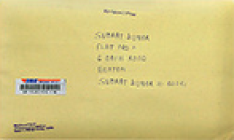 Front view
 Side view
 Back view
Your order will be securely packed and shipped within 24 hours. This is exactly what your package will look like (images of an actual item sent). It has the size and look of a regular private letter (9.4x4.3x0.3 in. or 24x11x0.7 cm) and its contents cannot be seen.
Ofev — Comparison with alternatives
Ofev Current

Prednisone Best price

Trusopt

Cytomel

Cosopt Best rated
What to expect from Ofev
Two points help set the right mindset early. Ofev does not reverse existing lung scarring; it aims to slow further scarring. And benefits show up as trends in lung tests and symptoms over months, measured in clinical trials and routine pulmonology practice by the rate of forced vital capacity (FVC) decline [1], not as a quick day-to-day sensation.
Available Ofev Strengths and Forms
Ofev is supplied as oral capsules. The capsule formulation is a soft gelatin capsule.
Common strengths used in clinical practice include 100 mg and 150 mg nintedanib capsules (as nintedanib esilate), with dosing tailored to indication and tolerability as described in the product monograph and EMA product information [2]. The “OFEV 150” presentation is widely referenced in adult ILD regimens, including the typical twice-daily schedule when tolerated.
One practical detail patients notice quickly: these capsules can leave a strong aftertaste if they sit in the mouth, so swallowing promptly with water is usually more comfortable.
Reviews and Experiences
Sources
- U.S. Food and Drug Administration (FDA) (2024). OFEV (nintedanib) Prescribing Information (Label). ↑
- European Medicines Agency (EMA) (2024). Ofev: Summary of Product Characteristics (SmPC) and Package Leaflet. ↑
- European Medicines Agency (EMA) (2024). Ofev: EPAR – Public Assessment Report. ↑
- European Medicines Agency (EMA) (2024). Ofev: EPAR – Product Information. ↑
- World Health Organization (WHO) (2014). Oral Rehydration Salts: Production of the New ORS. ↑
