

Promethazine
4 customer reviewsPromethazine is a first-generation H1 antihistamine and phenothiazine derivative. It is used by adults and, in selected cases, older children under medical direction. It helps relieve allergy symptoms and can reduce nausea by blocking H1 receptors and acting on nausea pathways.
What is it?
Promethazine is an H1 antihistamine from the phenothiazine derivative family. In practical terms, it calms allergy-driven symptoms by blocking histamine, a chemical your body releases during allergic reactions.
Composition
Active ingredient: promethazine (commonly as promethazine hydrochloride) in tablet form. Tablets also contain standard excipients used for manufacturing (e.g., fillers, binders, disintegrants, lubricants, and coating materials), which vary by manufacturer and strength.
How to use?
Promethazine is prescribed for a few core reasons, and it helps to match the use to what you want it to do.
Typical use patterns in practice include:
- For motion sickness: a dose taken 30–60 minutes before travel is a standard approach.
- For allergy symptoms: it may be used as needed, often in the evening if daytime drowsiness is a problem.
- For nausea/vomiting: it may be taken at set intervals for a short period, or as needed when symptoms flare.
Do not double up doses “to catch up.” If you miss a dose and you are using it on a schedule, taking two doses close together raises side effects without giving a cleaner benefit.
How does it work?
- Route: oral (swallow tablets with water)
- Adults, allergy symptoms: 10 mg 2 times/day (morning and evening) or 25 mg at bedtime; take with or after food if stomach upset occurs; duration: as needed, typically up to 7 days unless prescribed longer
- Adults, nausea/vomiting: 25 mg every 4–6 hours as needed; take with or after food; max: 100 mg/day; duration: up to 48 hours unless directed otherwise
- Adults, motion sickness prevention: 25 mg 30–60 minutes before travel, then 25 mg every 8–12 hours as needed during travel; duration: for the travel period
- Sedation (when prescribed): 25–50 mg at bedtime; take in the evening/night; duration: short-term, typically 1–3 nights unless prescribed longer
Indications
Promethazine is prescribed for a few core reasons, and it helps to match the use to what you want it to do.
Common indications include:
- Allergy symptoms: runny nose, sneezing, itching, rash, hives (urticaria), and allergic skin reactions.
- Nausea and vomiting (antiemetic use): including motion sickness and nausea triggered by other medicines.
- Motion sickness prevention: when taken before travel, it can blunt the nausea pathway.
- Sedation: sometimes used to help with rest or as a pre-procedure sedative when clinicians want a calming effect.
Promethazine can be very effective for nausea, but the trade-off is sedation and anticholinergic effects (dry mouth, blurry vision, constipation), which are more annoying in hot weather and in older adults.
Comparison
Promethazine is both an antihistamine and an antiemetic, with strong sedation in many patients. Other options can work well too, depending on whether the main goal is nausea control, allergy symptom control, or staying alert.
| Medication | Main role | Sedation tendency |
|---|---|---|
| Promethazine | Antihistamine + antiemetic | Higher in many people |
| Dramamine (dimenhydrinate) | Antiemetic for motion sickness | Moderate |
| Diphenhydramine HCl | Antihistamine (also used for sleep) | Moderate to higher |
Promethazine often “wins” when nausea is intense and sleepiness is acceptable, like a rough travel day where you can rest. Dramamine is a common motion-sickness choice when you want less heavy sedation than Promethazine, though some people still feel tired. Diphenhydramine HCl can help allergy symptoms and itching, but it is not always as useful as Promethazine for nausea, and the dry-mouth/next-day fog pattern can be similar.
Contraindications
- Hypersensitivity or unusual/allergic reaction to promethazine or related phenothiazines
- Use in children under 2 years of age (risk of severe respiratory depression)
- Severe central nervous system depression (e.g., coma) or severe breathing suppression
- Glaucoma with raised intraocular pressure
- Severe urinary retention or significant symptoms due to enlarged prostate
Not recommended for
Promethazine is not a good fit for every patient. This is the part that prevents unpleasant surprises.
Avoid it if you have previously had an allergic reaction to promethazine or similar medicines, or if it has ever caused concerning swelling, hives, or breathing symptoms. Do not use it for children under 2 years because it can dangerously slow breathing. It is also a poor choice if you already have severe drowsiness or breathing suppression, glaucoma with high eye pressure, or trouble passing urine from prostate enlargement, since it can worsen these problems.
Extra caution is used in pregnancy and breastfeeding, because sedating antihistamines can affect both mother and baby; clinicians weigh symptom severity, alternatives, and timing. WHO guidance on medicine exposure in pregnancy and lactation is often used as a safety framework when deciding on sedating antihistamines. [2]
Side effects
Promethazine side effects cluster into two buckets: sedation-related effects and anticholinergic effects.
Common side effects include:
- Drowsiness, fatigue, slowed reaction time
- Dizziness
- Dry mouth
- Blurred vision
- Constipation
- Difficulty urinating
These effects are dose-related, and they are more pronounced in older adults, in dehydration, and when combined with other sedatives.
Serious reactions are less common, but they matter:
- Unusual or allergic reaction to promethazine: hives, facial swelling, wheeze, trouble breathing.
- Severe confusion or agitation, especially in vulnerable patients.
- Respiratory depression, with a known high-risk warning in very young children (see contraindications).
One-sentence warning: avoid mixing sedatives.
Common mistakes
People tend to run into the same avoidable problems with Promethazine, and fixing them often improves the experience more than changing the medicine.
- Driving after the first dose. Sedation can be stronger than expected, and it can slow reaction time even if you feel “awake.”
- Combining with alcohol for sleep. This can amplify central nervous system depression and leave you groggy, dizzy, or unsteady.
- Using it nightly for long stretches for insomnia. Tolerance and daytime fog can build, and the anticholinergic burden becomes the main issue.
- Ignoring urinary symptoms. Difficulty urinating can happen, and it can become a real problem in men with prostate enlargement.
- Stacking cold/allergy products. Many “PM” cold medicines already contain sedating antihistamines, so doubling antihistamines can hit hard.
Doctor opinions
In clinic and pharmacy practice, Promethazine gets prescribed when clinicians want one medication to cover both histamine-driven symptoms and nausea, and when they accept sedation as part of the effect. Emergency and peri-procedure settings also use promethazine-class medicines in selected nausea pathways, but that is a clinician-administered context, not a home plan.
Doctors also watch for “anticholinergic burden,” a practical term meaning the additive dry-mouth/constipation/urinary retention/confusion effects when several medicines share that mechanism. In 2026, this is a common deprescribing focus in older adults, because reducing anticholinergic load can improve daytime clarity and reduce falls risk, a topic echoed in medication-safety programs aligned with MOHAP priorities on safe use. [3]
One line I repeat to patients: if you feel sedated, treat it as real impairment.
Frequently asked questions
Can Promethazine be taken with food?
Promethazine tablets can be taken with or without food, and food may help if your stomach feels sensitive. For nausea, the timing relative to triggers (travel, other medicines) often matters more than meals. If you are using it as an antiemetic, consistency in timing can reduce breakthrough symptoms. EMA-reviewed safety information continues to highlight sedation as the main functional limitation in daily use. [4]
How quickly does Promethazine make you sleepy?
Sleepiness can start within a few hours, and in some people it arrives earlier. The intensity depends on dose, alcohol use, other sedatives, and individual sensitivity. If you are using Promethazine for allergy symptoms, many clinicians suggest evening dosing to avoid daytime impairment. MOHAP medication-safety messaging in 2026 emphasizes avoiding driving or high-risk work when a medicine is known to cause drowsiness. [5]
What should I do if I miss a dose?
If you use Promethazine as needed (for allergy symptoms or nausea), you can usually take the next dose when symptoms return, staying within the prescribed schedule. If you are on a set schedule, take the missed dose when you remember unless it is close to the next one. Skipping is often safer than doubling, because doubling raises dizziness and confusion risk. This approach matches standard antihistamine safety advice used by major regulators such as the EMA.
Is Promethazine an antihistamine or an antiemetic?
It is both. Promethazine is an antihistamine because it blocks histamine H1 receptors, which helps with itching, sneezing, and hives. It is also used as an antiemetic because it acts on brain pathways involved in nausea and vomiting and has anticholinergic effects. WHO drug information resources describe promethazine’s dual use pattern across allergy and nausea indications.
What counts as an unusual or allergic reaction to promethazine?
Red flags include widespread hives, swelling of lips or face, tight throat, wheezing, or sudden shortness of breath. Severe dizziness, fainting, or a rapidly spreading rash also deserves urgent assessment. These symptoms are different from expected side effects like dry mouth or mild sleepiness. Regulatory safety language used internationally (including EMA summaries) treats suspected anaphylaxis symptoms as a medical emergency.
Can Promethazine be used in young children?
Promethazine is contraindicated in children under 2 years due to the risk of severe respiratory depression. In older children, use is a clinician decision based on indication, weight, and careful monitoring of sedation. Parents often underestimate how strongly sedating first-generation antihistamines can be for some children. MOHAP-aligned safety communications in 2026 continue to prioritize age-specific risk awareness for sedating medicines.
Do you offer anonymous delivery?
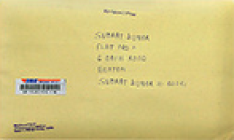 Front view
 Side view
 Back view
Your order will be securely packed and shipped within 24 hours. This is exactly what your package will look like (images of an actual item sent). It has the size and look of a regular private letter (9.4x4.3x0.3 in. or 24x11x0.7 cm) and its contents cannot be seen.
Promethazine — Comparison with alternatives

Promethazine Current

Afrin Best rated

Meclizine

Periactin Best price

Rhinocort
Promethazine Products and Brands
On this page, Promethazine is supplied as pills (tablets). You may see online references to syrups like Promethazine Syrup, Promethazine Oral Syrup, Promethazine Hydrochloride Syrup BP, or Liquid Promethazine Hydrochloride Syrup, including Liquid Promethazine Hydrochloride Syrup and Promethazine Syrup Drug Solutions, and combination products such as Promethazine Paracetamol Syrup. Those are different formulations and are not the same as Promethazine tablets.
A common confusion in real-world use is expecting the same onset and “sleepiness level” from a syrup and from tablets; the active ingredient is the same, but absorption timing can feel different between dosage forms and between people.
Reviews and Experiences
Sources
- European Medicines Agency (EMA) (2026). Promethazine: Summary of Product Characteristics (regulatory review overview). ↑
- World Health Organization (WHO) (2025). WHO Drug Information: Promethazine—uses in allergy and nausea, pregnancy and lactation considerations. ↑
- MOHAP (Ministry of Health and Prevention) (2026). Medication Safety Guidance: Sedating medicines, anticholinergic burden, and injury prevention. ↑
- European Medicines Agency (EMA) (2025). Pharmacovigilance guidance: Managing suspected hypersensitivity reactions and sedation-related adverse events. ↑
- MOHAP (Ministry of Health and Prevention) (2026). Public health advisory: Drowsiness-causing medicines and safe driving recommendations. ↑
