

Meclizine
5 customer reviewsMeclizine is an antihistamine tablet used to help prevent nausea, vomiting, and dizziness from motion sickness or vestibular disorders. It is for adults who need symptom control during travel or vertigo episodes. It works by blocking H1 receptors in the brain and inner ear pathways involved in balance and nausea signals.
What is it?
Meclizine is an antihistamine tablet used to prevent and treat nausea, vomiting, and dizziness linked to motion sickness and vestibular (inner ear) disorders. It is suited to adults who need steadier balance control during travel or episodes of vertigo. The key action is H1‑receptor blocking in the brain and inner ear pathways that trigger nausea and spinning sensations.
Composition
The active ingredient is Meclizine. It is a first-generation H1 antihistamine used in tablet form for nausea, vomiting, and dizziness linked to motion sickness or vestibular disorders.
Some markets carry combination products that pair Meclizine Hydrochloride with Pyridoxine Hydrochloride for nausea/vomiting. This page focuses on Meclizine tablets with Meclizine as the active ingredient.
How to use?
- Route: Oral, swallow the tablet with water.
- Motion sickness prevention: Take 25 mg 1 hour before travel.
- Motion sickness treatment: Take 25–50 mg when symptoms start, then repeat every 24 hours if needed.
- Vertigo or dizziness: Take 25–100 mg per day in divided doses as directed by a clinician.
- Timing: May be taken with or without food; if it causes stomach upset, take it after a light meal.
- Duration: Use for the shortest time needed for symptom control.
- Tablet use: Swallow whole; do not chew unless a clinician instructs otherwise.
How does it work?
- Route: Oral tablet.
- Adult dose for motion sickness: 25–50 mg taken 1 hour before travel, then 25–50 mg every 24 hours if needed.
- Adult dose for vertigo or nausea: 25–100 mg per day in divided doses.
- Timing: Take before exposure to motion triggers; may be taken with or without meals.
- Duration: Use for short-term symptom control as prescribed.
- Tablet use: Swallow with water and do not crush, split, or chew unless directed by a clinician.
Indications
Meclizine is used to prevent and treat symptoms caused by motion and vestibular disturbance. In real-world pharmacy use, the common goal is simple: fewer nausea waves, less spinning, and less “head swimming” when movement sets symptoms off.
Meclizine is used for:
- Motion sickness (car sickness, sea sickness, travel sickness)
- Nausea relief and vomiting linked to motion sickness
- Dizziness linked to vestibular disorders (inner ear conditions that disrupt balance)
- Symptom control when vertigo makes daily tasks harder to tolerate
The term “Over-the-counter antiemetic” is often applied to Meclizine in many markets, reflecting its established use for motion sickness prevention. For vestibular causes of dizziness, clinicians often use it short-term to reduce symptom intensity while the underlying trigger is addressed.
Comparison
Meclizine is often chosen when you want longer coverage with once-daily dosing and you can tolerate some sleepiness. In 2024, the FDA label summarized its once-daily preventive use for many adults. Dimenhydrinate is another antihistamine option that some people find faster-acting but shorter-lasting, often requiring repeat dosing. Transdermal scopolamine works differently (antimuscarinic) and can be useful for longer travel, yet it brings its own side effects such as dry mouth, blurred vision, and possible confusion in susceptible users.
| Option | What it’s best for | What to expect most |
|---|---|---|
| Meclizine | Motion sickness and vestibular dizziness with longer coverage | Sleepiness, dry mouth; often lasts most of the day |
| Dimenhydrinate | Motion sickness with flexibility for shorter trips | More frequent dosing; drowsiness is common |
| Transdermal scopolamine | Longer travel where a patch plan fits | Dry mouth/blurred vision; can cause confusion in some people |
A practical clinical nuance: people who get constipation easily often tolerate Meclizine less comfortably than they expected, while people who mainly need “steadier balance” through a long day often prefer its longer duration.
Contraindications
- Hypersensitivity to Meclizine (or to tablet ingredients)
- Pregnancy (especially first trimester) unless a clinician has advised it
- Breast-feeding, since sedating antihistamines can pass into breast milk and may affect the infant
- Children where a clinician has not directed its use (commonly under 12 years)
Use extra caution and expect stronger side effects if you have:
- Glaucoma (anticholinergic effects can worsen pressure control)
- Lung or breathing disease, such as asthma, where thickened secretions can be an issue
- Problems urinating or prostate disease (anticholinergic effects can worsen urinary retention)
- Stomach or intestine problems where slowed gut movement is already an issue
Not recommended for
Meclizine is NOT for you if any of the following apply:
- Hypersensitivity to Meclizine (or to tablet ingredients)
- Pregnancy (especially first trimester) unless a clinician has advised it
- Breast-feeding, since sedating antihistamines can pass into breast milk and may affect the infant
- Children where a clinician has not directed its use (commonly under 12 years)
Use extra caution and expect stronger side effects if you have:
- Glaucoma
- Asthma or another breathing problem
- Trouble urinating or prostate disease
- Stomach or bowel problems where things already move slowly
Side effects
Meclizine’s side effects are dominated by its first-generation antihistamine profile: sedation and anticholinergic effects (drying and slowing effects in the body). This is the trade-off for many people: long symptom relief with fewer nausea spells, balanced against sleepiness and a “dry” feeling.
Common side effects reported with Meclizine include:
- Drowsiness or fatigue
- Dry mouth, thirst, throat discomfort
- Headache
- Blurred vision in some users
- Constipation or mild stomach upset (less common)
Serious reactions are uncommon, yet they matter: allergic rash, swelling, wheeze, or breathing difficulty needs urgent care.
Common mistakes
Small usage errors make Meclizine look weaker than it is. These are the patterns that come up repeatedly in practice.
- Taking it after symptoms peak. For motion sickness, Meclizine works best before the movement trigger, not after vomiting starts.
- Driving after the first dose. Sedation can be delayed; people feel fine at 30 minutes and drowsy at 2 hours.
- Stacking sedatives. Combining Meclizine with alcohol, sleep aids, or sedating cold/flu products can lead to marked impairment.
- Using it daily for weeks without reassessment. Persistent dizziness needs diagnosis; long-term sedating antihistamine use can blur the clinical picture.
- Ignoring constipation and urinary symptoms. Dry mouth is annoying; urinary retention is a real problem.
Doctor opinions
Doctors usually frame Meclizine as symptom control, not a cure for the underlying vestibular condition. If vertigo is coming from benign paroxysmal positional vertigo (BPPV), the long-term fix is often a repositioning maneuver, not long-term sedating medication; Meclizine can still help you function during the worst days. For motion sickness, clinicians often advise a “test dose” on a non-driving day, because sedation is very individual and can be stronger than expected in first-time users.
ENT specialists and emergency clinicians also watch for red flags: new neurological symptoms, severe continuous vertigo with headache, or chest symptoms require diagnostic work-up, not more anti-nausea tablets. If dizziness is driven by anxiety or hyperventilation, Meclizine can make you sleepy without addressing the trigger, so the benefit feels inconsistent.
Frequently asked questions
How fast does Meclizine start working, and how long does it last?
Meclizine commonly starts working in about 1–2 hours for many adults, which is why pre-travel dosing is used for motion sickness prevention. The symptom control can last much of the day in sensitive users, which fits long trips. If you need rapid relief after vomiting starts, the effect may feel slower because absorption can be unreliable. FDA labeling summaries describe Meclizine as a sedating antihistamine with a longer duration that supports once-daily prevention in many cases.
Does Meclizine cause drowsiness?
Yes, drowsiness is one of the most frequent effects because Meclizine is a first-generation antihistamine that crosses into the central nervous system. The degree varies: some people feel mild fatigue, others feel strongly sedated. Alcohol and sedatives can intensify that effect, and so can taking it on an empty stomach in some individuals. WHO medicine safety materials classify sedating antihistamines as medicines that can impair alertness, so driving and machinery work should be planned carefully.
Meclizine use in pregnancy or when trying to get pregnant
Care teams need to know if you are pregnant or trying to get pregnant because benefit-risk decisions change in the first trimester. Meclizine has been used for nausea and vertigo in pregnancy in some settings, yet first-trimester exposure is typically handled conservatively unless the clinician judges the benefit clear. If nausea is pregnancy-related, clinicians often consider non-drug measures and pregnancy-specific antiemetic strategies first. MOHAP-aligned prescribing practice emphasizes using the smallest effective dose and avoiding unnecessary sedating medicines in pregnancy when alternatives exist.
Meclizine during breast-feeding
Care teams need to know if you are breast-feeding because sedating antihistamines can pass into breast milk and may cause infant drowsiness or feeding changes. Another practical issue is milk supply: anticholinergic medicines can reduce secretions in some people, and that can matter early postpartum. If Meclizine is used, short-term and lowest-effective dosing is the common clinical approach. EMA-style safety frameworks for antihistamines emphasize monitoring for infant sedation when sedating agents are used during lactation.
Can I take Meclizine with other anti-nausea medicines?
Sometimes, yes, but combinations should be chosen carefully because side effects can stack rather than “add benefit.” Phenothiazines such as prochlorperazine, chlorpromazine, and thioridazine can increase sedation and anticholinergic effects when combined with Meclizine, which can lead to pronounced dry mouth, blurred vision, and slowed reaction time. If your nausea is severe or persistent, treatment choice should depend on the cause (motion sickness vs migraine vs infection vs medication side effect). StatPearls clinical summaries describe Meclizine as best suited to vestibular-related symptoms rather than being a universal antiemetic for every nausea cause.
Do you offer anonymous delivery?
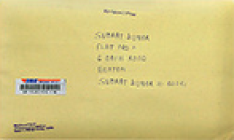 Front view
 Side view
 Back view
Your order will be securely packed and shipped within 24 hours. This is exactly what your package will look like (images of an actual item sent). It has the size and look of a regular private letter (9.4x4.3x0.3 in. or 24x11x0.7 cm) and its contents cannot be seen.
Meclizine — Comparison with alternatives
Meclizine Current

Afrin Best rated

Periactin Best price

Rhinocort

Promethazine
Reviews and Experiences
Sources
- U.S. Food and Drug Administration (FDA) (2022). Meclizine Hydrochloride — Drug Label Information (antihistamine/antiemetic) ↑
- StatPearls Publishing (2025). Meclizine — StatPearls (NCBI Bookshelf) ↑
- European Medicines Agency (EMA) (2021). Antihistamines (H1) — EU product information safety framework (SmPC/PIL standards) ↑
- World Health Organization (WHO) (2023). Sedating antihistamines: effects on alertness and safe use considerations ↑
- MOHAP (Ministry of Health and Prevention) (2024). Medicines regulation and safe dispensing guidance for pharmacies in the UAE ↑
