

Rhinocort
5 customer reviewsRhinocort is a budesonide nasal spray in the corticosteroid class. It is for adults and children from the appropriate age group with allergic rhinitis such as hay fever or year-round nasal allergies. It works locally in the nose to reduce inflammation and ease congestion, sneezing, and itch.
What is it?
Rhinocort is a brand of budesonide, which is a corticosteroid used inside the nose for allergic rhinitis. Allergic rhinitis is driven by inflammation in the nasal lining after exposure to triggers like pollen, dust mites, fungal spores, or animal hair. Budesonide reduces swelling and inflammatory signaling in the nasal mucosa, so airflow improves and mucus production drops.
One practical expectation: you may feel some improvement within hours, yet the best control often builds over several days of daily use because the inflammatory cells in the lining need time to settle [1].
Composition
Budesonide is the active pharmaceutical ingredient in Rhinocort. Budesonide is a corticosteroid, meaning it mimics anti-inflammatory hormones your body naturally produces, but it is delivered where you need it: the nasal lining. When used as a nasal spray, budesonide acts mainly locally, with low systemic exposure compared with steroid tablets or injections [2].
This local action is why Rhinocort is usually non-sedating and why it is used as a controller treatment during allergy season. It is not a “rescue” decongestant that opens the nose in minutes like oxymetazoline; it reduces the underlying inflammation that keeps the nose swollen.
A dosing nuance clinicians often repeat: allergy sprays tend to work best when used once daily at the same time, and missed days are a common reason people think the product “stopped working.” When symptoms are severe, prescribers sometimes start with a higher daily total and then step down to the lowest dose that keeps symptoms controlled, to limit local irritation.
How to use?
Start with the mechanics. Technique decides comfort.
Step-by-step
- Gently blow your nose to clear mucus.
- Shake the Rhinocort bottle well.
- Prime the pump before first use by pressing down a few times until a fine, even mist appears.
- Keep your head slightly forward.
- Insert the tip into one nostril and aim outward (away from the nasal septum).
- Press the pump once while breathing in gently through the nose.
- Repeat in the other nostril if your regimen includes both sides.
- Wipe the nozzle with a clean, dry tissue after use.
Two small details make a big difference: don’t tilt your head back (it increases throat drip), and don’t push the nozzle hard against the septum (it raises the chance of nosebleeds).
A dosing nuance clinicians often repeat: allergy sprays tend to work best when used once daily at the same time, and missed days are a common reason people think the product “stopped working.” When symptoms are severe, prescribers sometimes start with a higher daily total and then step down to the lowest dose that keeps symptoms controlled, to limit local irritation.
How does it work?
- Route: Intranasal spray (use in the nose only)
- Dose: 0.032 mg/spray budesonide
- Adults and adolescents (≥12 years): 2 sprays in each nostril once daily (total 0.256 mg/day); then reduce to 1 spray in each nostril once daily (total 0.128 mg/day) when symptoms are controlled
- Children (6–11 years): 1 spray in each nostril once daily (total 0.064 mg/day); if needed, increase to 2 sprays in each nostril once daily (total 0.128 mg/day)
- Timing: Use at the same time each day, preferably in the morning
- Duration: Use daily during the allergy season or as directed; reassess if symptoms persist after 1–2 weeks
- Administration: Gently blow nose, keep head upright, aim spray away from the nasal septum, breathe in gently while spraying; repeat for the other nostril
Indications
Rhinocort targets the symptom cluster typical of allergic rhinitis and hay fever. It is built for nasal symptoms, not chest symptoms.
Common symptoms it helps relieve:
- Sneezing fits, especially in the morning
- Runny nose (clear watery discharge)
- Itchy nose and nasal tickle
- Nasal congestion and mouth breathing at night
- Post-nasal drip sensation linked to nasal inflammation
If the main complaint is congestion, a steroid spray like Rhinocort is often a better match than an oral antihistamine alone, because congestion is inflammation-driven.
Sleep can improve. Breathing can feel easier.
Comparison
If allergic rhinitis is the diagnosis, treatment usually falls into a few evidence-based categories. Rhinocort sits in the intranasal corticosteroid group, aimed at controlling inflammation and congestion.
| Option type | What it’s best for | Key limitation |
|---|---|---|
| Intranasal corticosteroid (Rhinocort) | Congestion plus itch/runny nose; prevention during allergy season | Needs consistent daily use for best effect |
| Oral antihistamine | Itch, sneezing, watery runny nose | Often weaker for congestion; some can sedate |
| Intranasal antihistamine | Fast relief of itch/sneeze; can be used as add-on | Taste issues for some; may sting |
In practice, clinicians often start with a nasal steroid for moderate-to-severe symptoms, then add an antihistamine if eye symptoms or sneezing still break through. For persistent symptoms, evaluation for non-allergic rhinitis, nasal polyps, or chronic sinus disease can change the plan.
Contraindications
- Hypersensitivity to budesonide or any component of Rhinocort
- Severe infection in the nasal cavity, including fungal or bacterial infection
- Ongoing frequent nosebleeds, significant nasal ulceration, or marked nasal mucosa damage
- Recent nasal surgery or trauma where healing is still in progress
Extra caution is used in people with chronic infections such as tuberculosis, and in those using other hormonal (steroid) therapies at the same time.
Not recommended for
Do not use Rhinocort if you are allergic to budesonide or any ingredient in the spray. Avoid it if you have a severe infection in the nose, frequent nosebleeds, or sore/ulcerated nasal lining. If you have recently had nasal surgery or a nasal injury, wait until healing is established before using a steroid spray, and seek medical advice if you are unsure.
Side effects
Most side effects with Rhinocort are local and mild, linked to the spray contacting a sensitive nasal lining. The most common ones I see people mention are dryness, mild burning, and irritation soon after spraying. Nosebleeds can occur, often when the spray repeatedly hits the septum or when the nasal lining is already dry from air conditioning.
Possible side effects include:
- Nasal irritation, dryness, or sore nose
- Mild burning or tingling after use
- Headache
- Nosebleeds
- Rare allergy-type reactions such as rash or itching
Get urgent medical care if you develop facial swelling, wheeze, or severe hives after using Rhinocort. Those are uncommon, yet they matter.
Common mistakes
These are the errors that most often lead to poor relief or unnecessary side effects.
- Spraying straight up the middle. Hitting the septum repeatedly raises bleeding risk. Aim outward.
- Sniffing hard after spraying. It pulls medicine into the throat, causing bad taste and less nasal effect.
- Stopping after two good days. Symptoms often rebound because the inflammation returns.
- Using it only “when needed.” Steroid sprays work best with a routine during allergy periods.
- Using a decongestant nasal spray for weeks alongside it. Prolonged decongestant use can cause rebound congestion, making it feel like Rhinocort is failing.
One sentence that saves many noses: gentle sniff, outward aim, daily routine.
Frequently asked questions
How fast does Rhinocort start working?
Many people feel some relief within a few hours, with a clearer benefit over several days of consistent daily use because nasal inflammation takes time to settle [4]. If you are starting during a bad flare, congestion often improves last. A steady routine matters more than increasing the force of the sniff. In 2026 clinical guidance on allergic rhinitis still places intranasal corticosteroids among the most effective options for nasal symptom control.
Can I use Rhinocort every day during allergy season?
Yes, Rhinocort is designed for regular use during the period when triggers are present, and it is often used daily for seasonal hay fever or perennial allergic rhinitis. The goal is stable suppression of inflammation, not short bursts. If symptoms are controlled, clinicians often step down to the lowest regimen that maintains relief. In 2026, the EMA continues to describe budesonide nasal products as intended for ongoing control of allergic rhinitis when used as directed.
What if I miss a dose?
Use the next dose at your usual time and continue your routine. Doubling the number of sprays to “catch up” tends to increase irritation without improving control that day. If missed doses happen often, setting the spray next to a toothbrush or using it after a morning saline rinse can help build the habit. MOHAP patient-safety materials in 2026 emphasize consistent use of chronic therapies to maintain symptom control and avoid avoidable escalation [5].
Can Rhinocort be used with oral antihistamines?
It is commonly combined with oral antihistamines when sneezing, itch, or eye symptoms persist despite a nasal steroid. The spray mainly targets nasal inflammation and congestion, while antihistamines mainly target histamine-driven itch and sneeze. If the antihistamine causes sleepiness, switching to a non-sedating option is often enough to fix daytime fatigue.
Why do I get nosebleeds with Rhinocort?
Nosebleeds usually come from local dryness or repeatedly spraying onto the septum, which is fragile and richly supplied with blood vessels. Adjusting technique (outward aim) and adding saline moisturization often solves it within days. Persistent bleeding, pain, or visible sores need clinical review because infection, trauma, or other nasal conditions can mimic “spray irritation.” EMA safety information for intranasal corticosteroids lists epistaxis as a known local adverse effect linked to mucosal irritation.
Can I use Rhinocort if I have a nasal infection or after nasal surgery?
Rhinocort is usually avoided in severe nasal infections and is used cautiously after nasal surgery or trauma until healing is established. Steroids can reduce local immune response and may slow healing in damaged tissue. If symptoms look like infection (fever, thick discharge, facial pain), clinicians often treat the infection first and then return to allergy control therapy. MOHAP clinical guidance in 2026 supports careful assessment of infection and post-surgical status before using steroid sprays in the nose.
Do you offer anonymous delivery?
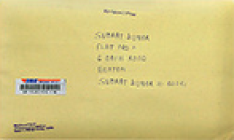 Front view
 Side view
 Back view
Your order will be securely packed and shipped within 24 hours. This is exactly what your package will look like (images of an actual item sent). It has the size and look of a regular private letter (9.4x4.3x0.3 in. or 24x11x0.7 cm) and its contents cannot be seen.
Rhinocort — Comparison with alternatives
Rhinocort Current

Afrin Best rated

Meclizine

Periactin Best price

Promethazine
Reviews and Experiences
Sources
- National Institute for Health and Care Excellence (NICE) (2025). Allergic rhinitis: diagnosis and management (evidence review update). ↑
- European Medicines Agency (EMA) (2026). Budesonide: summary of product characteristics (intranasal formulations). ↑
- World Health Organization (WHO) (2026). Allergic rhinitis and airway disease: clinical management overview. ↑
- Cochrane (2025). Intranasal corticosteroids for allergic rhinitis: systematic review update. ↑
- MOHAP (Ministry of Health and Prevention) (2026). Medication safety guidance for chronic therapies and patient counselling. ↑
