

Claritin
5 customer reviewsClaritin is a non-drowsy antihistamine for allergy relief. It is used for adults and children who need help with sneezing, runny nose, itchy eyes, or hives. It works by blocking histamine to reduce allergy symptoms.
What is it?
Claritin is a non-drowsy antihistamine medication primarily used to relieve symptoms of allergies, such as sneezing, runny nose, itchy eyes, and hives. Its active ingredient, loratadine, works by blocking histamine, a substance in the body that causes allergic reactions. Claritin provides effective, 24-hour relief from common allergy triggers like pollen, dust, and pet dander.
Composition
Claritin contains loratadine. Loratadine is a non-drowsy, non-sedating antihistamine for many adults, because it is less likely to enter the central nervous system than older antihistamines.
An antihistamine blocks histamine at H1 receptors. Put simply: histamine is the body’s “itch and drip” messenger during allergic reactions, and loratadine keeps that messenger from switching symptoms on. EMA documents describe loratadine as a selective peripheral H1-receptor antagonist used for allergic rhinitis and urticaria [1].
A real-world nuance from pharmacy practice: “non-drowsy” is true for most people, yet a small group still reports sleepiness, so it’s smart to test your first dose on a low-stakes day.
How to use?
Start with the standard once-daily schedule, and keep it consistent.
One common pattern clinicians see: people “stack” doses on bad allergy days. With loratadine, taking extra tablets rarely gives extra benefit, and it increases side-effect risk instead.
Claritin can be taken with or without food, so you can fit it into your routine. A meal does not block loratadine from working, and many people take it with breakfast simply to avoid forgetting.
If nausea happens, taking the tablet after food often settles the stomach. If symptoms wake you at night, taking Claritin in the evening can work, since the effect lasts up to 24 hours.
Consistency matters more than timing. The goal is steady daily coverage during allergy season.
How does it work?
- Oral use only. Swallow the tablet whole with water.
- Adults and children 6 years and older: 10 mg once daily.
- Children 2 to 5 years: 5 mg once daily.
- Take with or without food.
- Use for the prescribed period, usually once daily during allergy symptoms or as directed by a clinician.
- Do not exceed 10 mg in 24 hours.
Indications
Claritin is used for allergy relief in conditions driven by histamine release. It is commonly used for:
- Seasonal allergic rhinitis (hay fever): sneezing, runny nose, itchy nose or throat, watery/itchy eyes
- Perennial allergies: symptoms triggered by indoor allergens like dust or pet dander
- Chronic urticaria (hives): itchy wheals and flare-ups
- Other allergic reactions with rashes and itches where histamine plays the main role
It is not a decongestant. If nasal blockage is your only symptom, some patients need an added plan (like saline rinses or an intranasal corticosteroid) rather than expecting loratadine alone to “open the nose” fully. WHO allergic rhinitis materials describe antihistamines as symptom relievers, while nasal steroids often do more for congestion control in persistent rhinitis [2].
Comparison
Several modern oral antihistamines are used for similar symptoms. The differences that matter most in day-to-day life are sedation risk, onset, and how consistently they control itchy skin versus sneezing.
| Option (active ingredient) | Drowsiness tendency | Typical use-case |
|---|---|---|
| Claritin (loratadine) | Lower for many people | Daytime allergy relief; people sensitive to sedation |
| Cetirizine | Higher than loratadine for some | Strong itch/hive control in many patients |
| Levocetirizine | Can still sedate some people | Allergic rhinitis and urticaria; sometimes chosen for “stronger” symptom control |
Doctors often switch within this group if one agent controls symptoms but causes sleepiness, or if it feels “clean” in the head but doesn’t fully calm skin itching. NICE guidance on allergic rhinitis supports using non-sedating antihistamines as a step in symptom control, with escalation based on dominant symptoms and severity [3].
Contraindications
- Allergy (hypersensitivity) to loratadine or any tablet ingredient
- Age under 2 years
- Breastfeeding, since loratadine can pass into breast milk
Use extra caution and seek individualized dosing if you have significant liver or kidney impairment, because clearance can be reduced and dosing may need adjustment.
Drug interaction risk is lower than with older antihistamines, and it is not zero. The FDA label for loratadine highlights that strong enzyme inhibitors can raise loratadine levels in the body, which may increase side effects in sensitive people [5].
Not recommended for
Claritin is not suitable if you are allergic to loratadine or any tablet ingredient, if the child is under 2 years old, or if you are breastfeeding. Extra caution is also needed if you have liver or kidney problems, because the dose may need to be adjusted. Strong enzyme-inhibiting medicines can raise loratadine levels and make side effects more likely.
Side effects
Most people tolerate Claritin well. Side effects do occur, and the pattern is usually mild and reversible.
More common
- Headache
- Dry mouth or dry nose
- Mild stomach upset or nausea
Less common
- Drowsiness or fatigue (rare, but real)
- Feeling a bit “wired” in some children (parents may describe restlessness at night)
When to stop and seek urgent assessment
- Swelling of face/lips/tongue, wheeze, or severe rash after a dose (possible hypersensitivity)
- Palpitations with dizziness or fainting (needs medical assessment even if you suspect anxiety)
A specific pediatric precaution matters: a child with body weight 30 kg or less should not be given the 10 mg adult dose; the recommended dose is 5 mg once daily for that weight range.
Common mistakes
People do the same few things every allergy season, and it leads to disappointment.
- Doubling the dose on a bad day. Loratadine has a ceiling effect for many patients; more tablets may raise side effects without better relief.
- Mixing multiple antihistamines together. This can increase dry mouth, constipation, and sleepiness without a clear payoff.
- Expecting Claritin to act like a nasal decongestant. It helps sneezing and itch sooner than it relieves blocked nose.
- Using it “only when desperate.” For predictable seasonal allergies, daily use during exposure works better than sporadic rescue dosing.
- For kids: using the adult dose at lower body weight. Body weight 30 kg or less should not be given the 10 mg dose.
Doctor opinions
In clinic, doctors often describe Claritin as a good “first pick” when a patient needs allergy control without feeling sedated at work. It is also a common choice when symptoms come in predictable waves (school runs, outdoor exposure, air-conditioned offices), because once-daily dosing supports steady coverage.
Another observation: if Claritin seems to “stop working,” it is often because exposure has increased (dusty home cleaning, new pet contact, high pollen days) or because congestion is the dominant symptom. In those cases, clinicians frequently add or switch to treatments that target nasal inflammation rather than histamine alone. MOHAP patient education messaging on responsible medicine use also emphasizes appropriate dosing and avoiding unnecessary duplicate use of similar medicines in the same class [4].
Frequently asked questions
Can Claritin be used every day during allergy season?
Daily use is common during periods of ongoing exposure, because histamine release repeats each day with pollen, dust, or pet dander. NICE allergic rhinitis guidance (updated 2025) supports symptom-led stepwise treatment, where a non-sedating antihistamine can be continued when it is giving consistent relief. People who only take it intermittently often report “it didn’t work,” when the issue is timing rather than the medicine itself. If symptoms persist despite daily use, clinicians usually reassess triggers and add targeted nasal therapy rather than escalating antihistamine dose.
Does Claritin help blocked nose and sinus pressure?
Claritin can reduce runny nose and sneezing, yet nasal blockage is often driven by inflammation and swelling inside the nose. WHO allergy education resources describe that antihistamines improve itch and sneezing more strongly than they reduce congestion, while intranasal corticosteroids are often stronger for blockage when used correctly. If “pressure” is dominant, it may also reflect a cold or sinus inflammation rather than pure allergy. A practical approach is to pair Claritin with non-drug measures like saline rinses and allergen avoidance steps.
Can children take Claritin tablets?
Claritin can be used in children aged 2 years and older, with dosing based on age and body weight. The key safety point is dosing: children 2–12 years with body weight above 30 kg may use 10 mg once daily, while body weight 30 kg or less uses 5 mg once daily. MOHAP health education materials stress correct dosing for children and avoiding adult-dose assumptions across medicines in the home. If a child cannot swallow tablets, clinicians often select a pediatric-appropriate formulation and dosing plan.
Is Claritin truly non-drowsy?
Loratadine is widely considered non-sedating for many people because it is less likely to affect the central nervous system compared with older antihistamines. A small group still feels sleepy, and that effect can be stronger with alcohol or other sedating medicines. If you have never used it before, testing your response on a day without driving is sensible. If sedation persists, doctors often switch to a different second-generation antihistamine rather than pushing through.
What medicines can interact with Claritin?
Most people take loratadine without interaction issues, yet strong enzyme inhibitors can increase loratadine exposure and may raise the chance of side effects in sensitive patients. This matters most when multiple medicines are started together, or when someone has liver impairment. If you take long-term medicines, it’s useful to keep a simple list of names and doses so a clinician can spot duplication (two antihistamines) or interaction patterns quickly. FDA labeling remains the standard reference for interaction warnings and dose considerations in special populations.
Do you offer anonymous delivery?
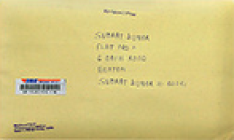 Front view
 Side view
 Back view
Your order will be securely packed and shipped within 24 hours. This is exactly what your package will look like (images of an actual item sent). It has the size and look of a regular private letter (9.4x4.3x0.3 in. or 24x11x0.7 cm) and its contents cannot be seen.
Claritin — Comparison with alternatives

Claritin Current

Afrin Best rated

Meclizine

Periactin Best price

