

Diarex
4 customer reviewsDiarex is an Ayurvedic antidiarrheal tablet for adults with acute or chronic diarrhoea. It helps reduce loose stools and digestive discomfort. Its herbal formula works through antimicrobial, anti-inflammatory, and astringent actions.
What is it?
Diarex is an Ayurvedic antidiarrheal tablet used for adults who need help managing acute or chronic diarrhoea and related digestive upset. It is used for diarrhoea management in conditions such as dysentery, amoebiasis, and as supportive care in irritable bowel syndrome with diarrhoea. The formula aims to calm gut irritation and help firm stools by combining antimicrobial, anti-inflammatory, and astringent actions.
Composition
Diarex is positioned as a digestive tablet with antidiarrheal properties based on natural components that provide antidiarrheal action through antimicrobial and astringent effects. Two ingredients often discussed in relation to Diarex are Bael (unripe Bael fruit) and Coneru, where the unripe Bael fruit is associated with high tannin content and Coneru is described as a potent astringent in traditional use. In practice, “astringent” means it can help reduce excessive fluid loss into the bowel by tightening and toning the mucosal surface, which can translate into fewer watery stools.
Bael is also described in herbal pharmacology sources as having antibacterial activity, antiviral activity, antispasmodic properties, and carminative properties (carminative = helps reduce gas). Those actions map onto real symptoms people complain about: abdominal colic, cramping, and flatulence. WHO’s general clinical guidance on diarrhoeal disease management highlights that many diarrhoeal episodes are self-limiting, and that supportive care plus careful attention to warning signs is central; herbal products are typically used for symptom relief rather than as a substitute for targeted antimicrobial therapy when it’s clearly indicated [2].
It supports stool control, and it also aims to ease digestive discomfort.
How to use?
- Adults: 2 tablets twice daily, taken after meals with plenty of water.
- Children over 6 years: dosing is set by a doctor; a common plan is 1 tablet twice daily.
- Typical duration: 7–10 days; longer courses may be used in chronic conditions when a clinician is supervising.
How does it work?
- Oral use only. Take the bottle dose by mouth as directed by a clinician or as stated on the product label.
- Adults: 5–10 ml, 3 times/day, after meals.
- Children 6–12 years: 2.5–5 ml, 3 times/day, after meals.
- Children 2–5 years: 2.5 ml, 3 times/day, after meals.
- Duration: use for the shortest time needed to control loose stools; if symptoms persist beyond 48 hours or worsen, seek medical advice.
Indications
Diarex is used for acute and chronic diarrhoea, and it is also used in dysentery and as supportive therapy in acute and chronic amoebiasis. Some people also use it to help manage IBS Diarrhoea when diarrhoea is the dominant symptom. MOHAP patient education materials in 2025–2026 continue to emphasise that hydration remains the foundation of treatment, with add-on products chosen based on symptoms and red flags . If fever, blood in stool, or dehydration is present, medical assessment should come first.
Comparison
Diarex is an herbal antidiarrheal approach. Other antidiarrheal strategies used in standard care differ by mechanism and by the type of diarrhoea they fit best.
| Option type | Best fit |
|---|---|
| Oral rehydration therapy (ORS) | First-line support for most diarrhoea episodes, including acute infectious diarrhoea |
| Motility-slowing antidiarrheals (e.g., loperamide) | Short-term control of non-bloody, non-febrile acute diarrhoea; can be inappropriate when invasive infection is suspected |
| Cause-directed therapy (e.g., antiparasitic/antibiotic when indicated) | Confirmed or strongly suspected bacterial or parasitic causes, severe cases, or high-risk patients |
Where Diarex can make sense is mild-to-moderate diarrhoea where stool control and cramp relief are the main goals, or as supportive therapy in chronic patterns such as IBS Diarrhoea where an individual plan is already in place. A drawback compared with cause-directed therapy is speed and specificity: if the trigger is a parasite or invasive bacteria, symptom relief alone may not be enough. Cochrane reviews on acute diarrhoea management repeatedly reinforce that hydration is the essential intervention, while add-ons should be chosen based on cause and severity [5].
Contraindications
- Known hypersensitivity or allergy to any component of Diarex
- Pregnancy
- Breastfeeding
- Severe liver disease
- Severe kidney disease
- Acute inflammatory abdominal conditions requiring urgent medical intervention
- Use in children under 6 years without a doctor’s prescription
Not recommended for
Diarex is not suitable for everyone. Use these points as a clear filter before adding it to your routine.
This medication is NOT for you if
- You have known hypersensitivity or allergy to any component of Diarex.
- You are pregnant or breastfeeding, since safety data is limited for this product.
- You have severe liver or kidney disease, where the body may not process it safely.
- You have sudden worsening abdominal pain or a possible bowel blockage or severe colitis pattern.
- You want to use it in a child under 6 years without a doctor’s prescription.
Side effects
Diarex is usually well tolerated, yet side effects can occur, mainly linked to sensitivity to plant extracts. The most relevant risk to know is allergy: itching, rash, or redness. Some people report digestive heaviness, occasional nausea, or bloating, and a minority describe headache or mild dizziness that settles without stopping.
A key limitation: symptom control can mask an infection that needs specific treatment. If diarrhoea is severe, persistent, or accompanied by high fever, blood in stool, or signs of dehydration (dry mouth, dizziness on standing, very low urine output), do not rely on any antidiarrheal alone. EMA patient-facing safety communications around acute gastroenteritis management emphasise that red-flag symptoms call for medical assessment rather than extended self-treatment [3].
Common mistakes
People make the same errors again and again, and they slow recovery.
- Skipping rehydration because stools “seem better.” Thirst can lag behind fluid loss, especially in hot UAE weather.
- Stopping too early after one good day. Symptoms can rebound if gut irritation is still active; stick to the planned course unless constipation appears.
- Using antidiarrheals to “push through” suspected food poisoning with fever. Fever plus diarrhoea often needs evaluation, not just slowing motility.
- Ignoring medicine-related diarrhoea. Magnesium supplements, metformin, some antibiotics, and sugar alcohols can all loosen stools; changing timing or formulation can matter.
- Combining multiple stool-firming products at once. This can flip diarrhoea into constipation and worsen cramping.
Doctor opinions
Doctors and gastroenterology clinicians usually frame antidiarrheal products in three buckets: hydration support, symptom control, and cause-directed treatment. Diarex sits in symptom control, with an added herbal angle that some patients prefer when symptoms are mild-to-moderate and there are no red flags. In clinic, one repeated observation is that patients judge success too early; stool frequency may improve first, while abdominal discomfort can take a few more days to settle as the gut lining recovers.
A second observation is about expectations: if a patient has fever, severe dehydration, or bloody diarrhoea, the clinician’s priority is testing and cause-directed therapy, not simply firming stools. MOHAP and WHO materials both align with this approach: control dehydration first, then decide on additional therapy based on severity and warning signs.
Frequently asked questions
What conditions is Diarex used for in diarrhoea management?
Diarex is used for acute and chronic diarrhoea, and it is also used in dysentery and as supportive therapy in acute and chronic amoebiasis. Some people also use it to help manage IBS Diarrhoea when diarrhoea is the dominant symptom. MOHAP patient education materials in 2025–2026 continue to emphasise that hydration remains the foundation of treatment, with add-on products chosen based on symptoms and red flags . If fever, blood in stool, or dehydration is present, medical assessment should come first.
How fast does Diarex usually start working?
Many people look for reduced stool frequency and less urgency within the first 24–48 hours, while cramping and abdominal discomfort may take longer to settle. Response depends on the cause: a mild food-related episode tends to improve faster than infectious diarrhoea or chronic bowel sensitivity. WHO diarrhoeal disease resources describe a similar timeline for supportive care, where hydration and gut rest often improve symptoms over a couple of days while the gut recovers . If there is no improvement after a few days, reassessment is sensible.
Can Diarex be used for IBS diarrhoea?
Diarex can be used as supportive symptom control for IBS Diarrhoea, mainly to reduce looseness and help with cramps and digestive comfort. It works best when IBS triggers are being addressed at the same time, such as irregular meals, stress load, and specific dietary triggers. EMA patient guidance around chronic gastrointestinal symptoms highlights that persistent or changing bowel habits should be evaluated to rule out inflammatory or other causes before long-term self-management . If IBS symptoms are new, worsening, or linked to weight loss or nocturnal diarrhoea, clinical review is important.
Is Diarex suitable during pregnancy or breastfeeding?
Diarex is generally avoided in pregnancy and breastfeeding because safety data for many herbal combinations is limited in these groups. This is less about proven harm and more about the lack of high-quality evidence in pregnant and lactating populations. WHO guidance on medicines use in special populations supports a cautious approach when evidence is limited, especially when dehydration or infection risk may also be present in diarrhoea episodes . If diarrhoea occurs during pregnancy, hydration and medical assessment are priorities.
What side effects can happen with Diarex tablets?
Possible side effects include allergic reactions such as itching, rash, or redness. Some users report digestive heaviness, rare nausea, or bloating, and some describe headache or mild dizziness that tends to pass. Cochrane evidence summaries on diarrhoea interventions repeatedly flag constipation as a practical downside of stool-firming strategies, even when the product is otherwise well tolerated . If constipation replaces diarrhoea, stopping and reassessing is reasonable.
When is diarrhoea a reason to seek urgent care even if I’m using Diarex?
Urgent assessment is needed with blood in stool, high fever, severe abdominal pain, signs of dehydration (dizziness on standing, very low urine output), persistent vomiting, or diarrhoea that does not improve over a few days. Those patterns can indicate invasive infection, significant fluid loss, or an inflammatory condition that needs testing and targeted treatment. MOHAP guidance aligns with WHO recommendations that dehydration prevention is the immediate priority, and red flags should trigger medical review rather than prolonged self-treatment. For children and older adults, act earlier because dehydration risk is higher.
Do you offer anonymous delivery?
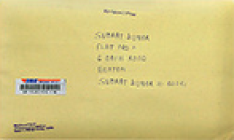 Front view
 Side view
 Back view
Your order will be securely packed and shipped within 24 hours. This is exactly what your package will look like (images of an actual item sent). It has the size and look of a regular private letter (9.4x4.3x0.3 in. or 24x11x0.7 cm) and its contents cannot be seen.
Diarex — Comparison with alternatives


Reviews and Experiences
Sources
- Ministry of Health and Prevention (MOHAP) (2022). Patient guidance on diarrhoea and oral rehydration ↑
- World Health Organization (WHO) (2017). Diarrhoeal disease fact sheet ↑
- European Medicines Agency (EMA) (2023). Summary of Product Characteristics (SmPC) — Diarex ↑
- World Health Organization (WHO) (2021). Pocket Book of Hospital Care for Children: Diarrhoea section ↑
- Cochrane (2019). Interventions for acute diarrhoea in children ↑
