


Verified
I started Asacol during a mild UC flare. By week two the urgency eased, and by week five the bleeding had stopped. The headache the first few days was annoying but settled.
21 Nov 2024

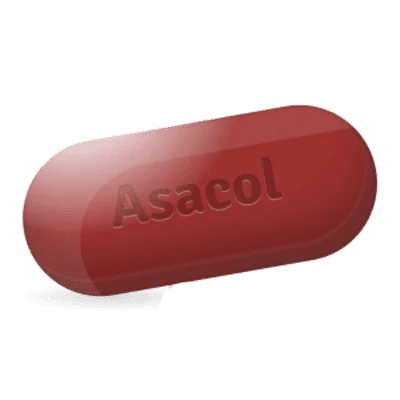
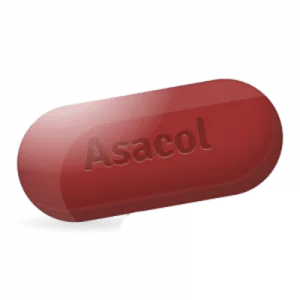
Asacol is a mesalazine tablet used for ulcerative colitis in adults and selected children under specialist care. It helps reduce bowel inflammation and maintain remission by acting locally in the intestine.
Asacol is a mesalazine (mesalamine) tablet, an anti-inflammatory medicine used to treat ulcerative colitis and help maintain remission. It is suited to adults (and selected children under specialist direction) who need gut-targeted control of bowel inflammation. Mesalazine is a 5‑ASA (5‑aminosalicylic acid) drug that works mainly inside the intestine to calm inflammatory signals and protect the colon lining. It is not a quick painkiller. It works locally. That takes time.
Asacol is a brand of mesalazine, also called mesalamine or 5‑ASA (5‑aminosalicylic acid). Mesalazine is an aminosalicylate (a type of salicylate) and is the active moiety of sulfasalazine, designed to act locally in the bowel rather than as a whole‑body painkiller. For many people with mild to moderate ulcerative colitis (mild-to-moderate UC), this “local anti-inflammatory” approach is a key reason it’s used early and long term.
Ulcerative colitis is a chronic inflammatory bowel disease where the colon’s lining becomes inflamed and fragile. During flares, symptoms often include urgent diarrhoea, abdominal cramping, and blood or mucus in stool. Asacol is used both to reduce active inflammation and to help prevent relapses once symptoms settle. WHO and EMA materials describe 5‑ASA medicines as cornerstone therapy for mild-to-moderate ulcerative colitis [1]. Not everyone tolerates 5‑ASA well, and a minority need a different plan.
A common strength of Asacol tablets is 400 mg.
Asacol contains mesalazine, an aminosalicylate with a local anti-inflammatory effect in the intestinal mucosa. The tablets are designed to release the active substance in the colon, where it helps reduce inflammation, abdominal discomfort, diarrhea, and rectal bleeding associated with inflammatory bowel disease. The composition also includes excipients that support tablet stability and delayed release.
Asacol tablets are taken by mouth with water. The usual total daily dose for adults is commonly in the 800 mg to 2.4 g per day range, divided across the day, with higher doses used in some situations based on disease activity and specialist direction. For maintenance, doctors often aim for the lowest dose that keeps remission stable, then adjust if symptoms start to creep back.
Swallow tablets whole. Do not crush or chew. This matters because the coating is part of the delivery system, and breaking it can shift where the drug releases and can worsen stomach upset.
A practical routine many patients stick with:
If you miss a dose, take it when you remember on the same day. If it’s close to the next scheduled dose, skip the missed one and continue as normal.
Mesalazine (mesalamine, 5ASA) works at the intestinal mucosa where ulcerative colitis inflammation lives. Think of it as calming the “chemical noise” that keeps the bowel lining irritated, so the surface can recover and bleeding and urgency reduce over time. Because the effect is local, many people tolerate it better than systemic anti-inflammatory drugs.
Key pharmacology points that matter in day‑to‑day use:
Asacol is used to reduce active inflammation in ulcerative colitis and to help prevent relapses once symptoms settle. It is a cornerstone 5‑ASA option for mild-to-moderate ulcerative colitis.
Asacol (mesalazine) sits in a stepwise ulcerative colitis plan alongside other anti-inflammatory and immune‑modifying options. The choice depends on disease extent, severity, and prior response, not on brand preference.
| Option | What it is | Usual place in UC care |
|---|---|---|
| Asacol (mesalazine/mesalamine) | 5‑ASA aminosalicylate | Mild-to-moderate UC induction and maintenance |
| Pentasa (mesalazine) | 5‑ASA aminosalicylate | Alternative mesalazine formulation used in IBD care |
| Sulfasalazine | Prodrug releasing 5‑ASA (active moiety) | Selected UC cases; more systemic intolerance in some people |
Mesalazine products (including Asacol and Pentasa) share the same core active ingredient (5‑aminosalicylic acid), yet they can differ in where and how the drug releases in the gut. Sulfasalazine can be effective, but in community practice I see more treatment stops due to nausea, headache, and rash; it’s a trade‑off between cost, tolerance, and individual response.
Asacol is not a good choice if you have a known 5‑ASA allergy, serious kidney or liver problems, active stomach or duodenal ulcers, or a bleeding problem your clinician is already worried about. It also needs individual medical advice in pregnancy and breastfeeding, especially if your ulcerative colitis is hard to keep controlled.
More common side effects reported with oral mesalazine include:
Rare but serious reactions need fast attention. Mesalamine-induced acute intolerance syndrome can look like a sudden flare: cramping, diarrhoea, fever, headache, and worsening blood in stool soon after starting or increasing the dose. Hypersensitivity in people allergic to 5‑ASA (or salicylates) can also present with rash, wheeze, or facial swelling. Kidney effects are uncommon, yet clinically important because they can develop quietly, which is why prescribers often arrange baseline and periodic kidney tests for long‑term users.
One more real‑world detail: dark urine plus new flank pain during treatment is never something to “wait out,” since dehydration and kidney irritation can overlap.
Small errors can lead to big frustration, even when the medicine itself is a good match.
Common patterns that delay improvement:
Gastroenterologists tend to value mesalazine because it treats the lining directly and can reduce the need for steroids in mild-to-moderate UC. In real prescribing patterns, doctors often use it as a foundation therapy, then escalate to corticosteroids, immunomodulators, or biologics if inflammation is more aggressive or extensive. EMA guidance considers mesalazine a standard anti-inflammatory option in ulcerative colitis management pathways [3].
Adherence is the make‑or‑break factor I see most. People often stop once bleeding settles, then relapse weeks later and assume the medicine “failed.” UC maintenance is less emotionally rewarding than flare treatment, but it prevents the next flare. Dose simplification also matters; a prospective multicentre randomised study indexed in PubMed reported that once‑daily regimens can improve satisfaction and adherence compared with divided dosing in maintenance settings [4].
Symptom relief can begin within 1–3 weeks, yet full benefit for a flare may take longer depending on how extensive the inflammation is. Bleeding and urgency often lag behind pain improvement, so judging too early can be misleading. Clinical guidance from the European Crohn’s and Colitis Organisation frames oral 5‑ASA as a first-line therapy for mild-to-moderate UC, with response assessed over weeks rather than days. Many gastroenterologists review progress and stool markers during the first month.
Asacol tablets are taken with water, and many people tolerate them well with meals. If nausea appears, taking the dose after food often reduces stomach upset without reducing local bowel action. Consistency is the main driver of stable bowel exposure. Practical prescribing advice from the World Health Organization for UC maintenance emphasises adherence as much as timing.
Alcohol does not have a direct pharmacologic interaction with mesalazine, yet it can worsen diarrhoea, sleep, and dehydration during a flare. If you are actively symptomatic, reducing alcohol often improves day-to-day comfort. People with liver disease need individual advice since both disease and medicines can affect liver tests. EMA-reviewed mesalazine product information focuses on monitoring in at-risk patients rather than absolute alcohol bans.
Mesalazine is widely used in inflammatory bowel disease care, including during pregnancy when the benefit of controlling ulcerative colitis outweighs potential risks. The main practical point is planning: disease control before conception and avoiding flares during pregnancy are major goals in gastroenterology practice. EMA product information for mesalazine supports case-by-case use with clinical monitoring in pregnancy and lactation. Breastfed infants are also observed for diarrhoea or irritability if maternal doses are high.
Kidney effects are uncommon, yet clinicians take them seriously because they can develop silently. Baseline kidney function testing and periodic follow‑up is a common plan for anyone on long-term 5‑ASA therapy. If you develop reduced urine output, flank pain, or unexplained swelling, your prescriber will want prompt assessment. Monitoring recommendations are consistent across major regulatory references for mesalazine.
A sudden worsening soon after starting can be either an ulcerative colitis flare progression or mesalamine-induced acute intolerance syndrome. The intolerance pattern often includes fever, headache, cramping, and rapid symptom escalation soon after initiation or dose increase. This situation calls for fast contact with the treating clinician because management can include stopping mesalazine and choosing an alternative approach. PubMed-indexed gastroenterology reviews describe this intolerance syndrome as rare but clinically distinctive.
Your order will be securely packed and shipped within 24 hours. This is exactly what your package will look like (images of an actual item sent). It has the size and look of a regular private letter (24x11x0.7 cm) and its contents cannot be seen.
