

Rybelsus - Semaglutide
5 customer reviewsRybelsus is an oral tablet containing semaglutide, a GLP-1 receptor agonist. It is for adults with type 2 diabetes who need better blood sugar control alongside diet and exercise. It mimics GLP-1 to boost glucose-dependent insulin release, reduce appetite, and slow stomach emptying.
What is it?
Rybelsus is used when lifestyle changes are not enough, and it may also be added to other antidiabetic agents to improve glycaemic control [1]. It is not designed for type 1 diabetes, and it is not used to treat diabetic ketoacidosis.
One practical reality: Rybelsus is more “timing-sensitive” than many tablets because absorption happens in the upper stomach and is easily disrupted by food, drinks, and other medicines.
Composition
Rybelsus contains the active substance semaglutide (a GLP-1 receptor agonist). Each tablet also includes standard pharmaceutical excipients used to form and stabilize the oral solid dose form, such as fillers, binders, and lubricants, plus an absorption enhancer to support uptake of semaglutide.
How to use?
Rybelsus is taken once daily, and the administration rules matter as much as the dose because absorption in the upper stomach is easily disrupted.
- Take one tablet first thing in the morning on an empty stomach, with no more than about half a glass (120 ml) of plain water.
- Swallow it whole — do not split, crush, or chew it.
- Then wait at least 30 minutes before eating, drinking anything else, or taking other oral medicines.
Treatment usually starts at a low dose and is increased in steps over several weeks, so the gut has time to adapt. Your prescriber confirms the schedule and any dose changes.
If you miss a dose, skip it and take the next one the following morning at the usual time. Do not take two tablets to make up for a missed one.
How does it work?
Rybelsus contains Semaglutide. Rybelsus is a GLP‑1 medication, meaning it acts like the body’s incretin hormone GLP‑1 (glucagon-like peptide‑1).
Semaglutide works through several linked effects:
- Pancreas: increases insulin release only when glucose is elevated, and lowers inappropriate glucagon output.
- Stomach: slows gastric emptying, which can blunt post‑meal glucose spikes.
- Brain/appetite centres: reduces hunger and cravings, which may support weight reduction over time.
This combination is why people often see both improved fasting glucose and smaller after‑meal spikes once titration is complete.
Indications
Rybelsus is used when lifestyle changes are not enough, and it may also be added to other antidiabetic agents to improve glycaemic control [1]. It is not designed for type 1 diabetes, and it is not used to treat diabetic ketoacidosis.
Rybelsus is primarily prescribed to lower blood glucose and improve HbA1c in type 2 diabetes. Many patients also lose weight because semaglutide reduces appetite and slows digestion.
Comparison
Rybelsus sits in a clear place: it is a GLP‑1 receptor agonist taken orally, while many alternatives are either injectable GLP‑1 options or older oral drug classes.
| Option | What it is | Key day-to-day difference |
|---|---|---|
| Rybelsus | Oral semaglutide (GLP‑1 medication) | Empty-stomach dosing and a waiting period before food |
| Ozempic / Ozempic® | Injectable semaglutide (GLP‑1) | Weekly injection schedule, less timing sensitivity |
| Sulfonylurea | Older oral class that increases insulin release | More hypoglycaemia risk and weight gain is more common |
How clinicians usually think about the trade-offs: Rybelsus can be a strong fit if you prefer tablets and can follow the morning timing rules; injectable semaglutide can be easier for people who struggle with strict fasting administration; sulfonylureas can be effective for glucose lowering but often carry more day-to-day “lows,” especially when meals are delayed.
Contraindications
- Hypersensitivity/allergy to semaglutide or any tablet component
- Personal or family history of medullary thyroid carcinoma
- Multiple endocrine neoplasia syndrome type 2 (MEN2)
- Pregnancy
- Breastfeeding
- Severe kidney or liver impairment where the prescriber advises against GLP‑1 therapy
Not recommended for
Rybelsus is not a fit if you are pregnant or breastfeeding, or if you have ever had a serious allergic reaction to semaglutide.
Avoid it if you or close family members have had a specific thyroid cancer (medullary thyroid carcinoma) or MEN2.
Speak with your prescriber before using it if you have had pancreatitis or gallbladder problems, if you often get dehydrated from vomiting/diarrhoea, or if you have significant kidney or liver problems.
Side effects
Most side effects with Rybelsus come from the gut, and they cluster in the first weeks or after a dose increase. Nausea, vomiting, diarrhoea, constipation, abdominal discomfort, reduced appetite, dizziness, and fatigue are commonly reported [2]. For many people, these fade as the body adapts.
Serious risks need clear attention, because they change who should use the medicine and how closely symptoms should be watched:
- Pancreatitis: severe, persistent upper abdominal pain (often radiating to the back) with or without vomiting is a red-flag symptom.
- Gallbladder disease: rapid weight loss can increase gallstone risk; new right‑upper‑abdominal pain or fever should be assessed.
- Dehydration and kidney strain: vomiting/diarrhoea can reduce fluid intake and worsen renal function.
- Thyroid C‑cell tumour risk (boxed warning in some regulators’ product information): avoid if you have a personal/family history of medullary thyroid carcinoma or MEN2.
A pharmacist detail people don’t expect: the “queasy” feeling is often worst when you eat past the new satiety point. With semaglutide, that point can arrive mid‑meal, not after.
Drug interactions and combination risks
Rybelsus can be used with other diabetes medicines, but the combination changes the risk profile:
- Sulfonylureas and insulin: the hypoglycaemia risk rises because those drugs can lower glucose independent of meals.
- Oral medicines needing strict timing: because Rybelsus must be taken alone on an empty stomach, your morning schedule may need redesign.
- Alcohol: heavy intake can worsen dehydration and GI symptoms, and it can destabilise glucose control.
Common mistakes
Most problems with Rybelsus are practical, not mysterious.
- Taking it with breakfast, coffee, juice, or protein shakes.
- Swallowing it with a full glass of water, then wondering why nausea worsened.
- Taking other morning tablets at the same time (vitamins, antacids, thyroid medicine).
- Increasing the dose early because the first week did not show a big glucose change.
- Eating a large, high-fat meal to “beat” the appetite drop, then vomiting.
Doctor opinions
In diabetes clinics, Rybelsus is often chosen for adults who want GLP‑1 benefits without injections, and who can follow a strict morning routine. Clinicians in the UAE also pay close attention to kidney function and hydration status during the first months, especially in hot weather or in people who fast for religious reasons.
A pattern doctors frequently see: patients who titrate too fast, or who take the tablet with coffee, report “it didn’t work” or “it made me sick.” When the timing is corrected and dose escalation is gradual, tolerability improves and HbA1c reductions become easier to sustain. International guidance used in routine practice (including EMA-aligned product information) also stresses gradual dose escalation to reduce GI intolerance and improve persistence with therapy [3].
Frequently asked questions
How do I take Rybelsus correctly each morning?
Take Rybelsus once daily on an empty stomach with a small amount of plain water, then wait at least 30 minutes before eating, drinking anything else, or taking other oral medicines. This routine is central because semaglutide absorption from the stomach is low and easily disrupted. If mornings are chaotic, many prescribers advise building a fixed routine first, then escalating the dose. This dosing approach matches regulator-reviewed instructions used across many regions [4].
Can I take Rybelsus with metformin or other diabetes tablets?
Yes, Rybelsus is often combined with metformin and other glucose-lowering drugs when additional A1c reduction is needed. The main safety change happens when Rybelsus is combined with insulin or a sulfonylurea, because hypoglycaemia becomes more likely and dose adjustments may be needed. A practical scheduling point: Rybelsus must be taken alone first, so other morning tablets usually move to after the 30‑minute window. This combination approach is included in regulator-reviewed prescribing frameworks.
What should I do if I miss a dose?
Skip the missed dose and take the next dose the following day at your usual time. Taking two tablets close together can worsen nausea and vomiting, and it does not “catch you up” in a helpful way because the medicine is designed for steady daily exposure. If you miss doses frequently, focus on simplifying the morning routine before changing the dose. Many clinicians treat adherence as the first fix before escalation.
Is Rybelsus used for weight loss on its own?
Rybelsus is indicated for type 2 diabetes, and weight loss can occur as a secondary benefit through appetite reduction and lower calorie intake. For people without diabetes, prescribers usually consider other evidence-based weight-management pathways rather than using diabetes-only therapy casually. If weight change is your main goal, the useful metrics to follow are waist measurements, satiety, and meal size tolerance, not just the scale. Guidance documents used by diabetes services describe weight change as supportive, not the primary treatment target.
Do you offer anonymous delivery?
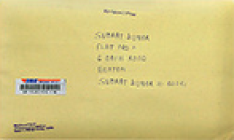 Front view
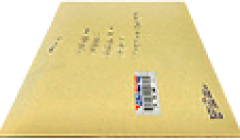 Side view
 Back view
Your order will be securely packed and shipped within 24 hours. This is exactly what your package will look like (images of an actual item sent). It has the size and look of a regular private letter (9.4x4.3x0.3 in. or 24x11x0.7 cm) and its contents cannot be seen.
Rybelsus — Comparison with alternatives
Rybelsus Current

Glyxambi Best rated

Invokana

Empagliflozin

Karela Best price
Reviews and Experiences
Sources
- European Medicines Agency (EMA) (2026). Semaglutide: EPAR – Product information (GLP‑1 receptor agonists). ↑
- World Health Organization (WHO) (2026). Diabetes mellitus: medicines used in glycaemic control and safety considerations. ↑
- MOHAP (Ministry of Health and Prevention) (2026). Clinical guidance for management of type 2 diabetes in adults (UAE practice guidance). ↑
- U.S. Food and Drug Administration (FDA) (2026). Rybelsus (semaglutide) tablets: Prescribing information. ↑
- American Diabetes Association (ADA) (2026). Standards of Care in Diabetes—2026. ↑
