Verified
Fasting numbers came down gradually by week three. I did urinate more at the start, so I shifted it to early morning and it was easier. No low sugar episodes, but I was not on insulin.
21 May 2025

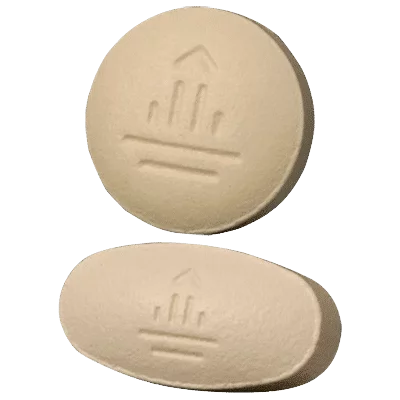
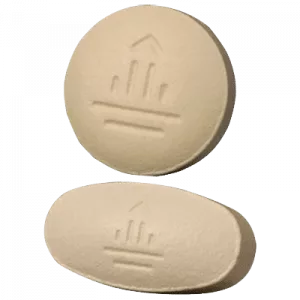
Empagliflozin is an oral SGLT2 inhibitor tablet for adults with type 2 diabetes. It is used to help improve blood glucose control when lifestyle measures and other diabetes medicines are not enough. It works by blocking kidney glucose reabsorption, so more glucose is removed in urine.
Each Empagliflozin tablet contains the active substance empagliflozin. The tablet core also includes standard excipients such as fillers, binders, disintegrants, and lubricants that support tablet formation and stability.
In clinical practice, doctors often pick a morning dose because it aligns with glucose monitoring, hydration, and the early diuretic-like effect. Many prescribers are conservative with up-titration if someone is older, on a diuretic, or has borderline blood pressure, since dizziness can be a real issue in the first weeks. For patients already using insulin or a sulfonylurea, doctors frequently adjust the other medicine first, because adding Empagliflozin can shift glucose levels enough to trigger hypoglycaemia if the rest of the regimen stays unchanged.
Empagliflozin is used to manage type 2 diabetes by lowering blood glucose and improving glycaemic control. It can be used as monotherapy when other agents are not suitable, or as combination treatment with other glucose-lowering medicines. Combination use is common in real practice when a single medicine does not bring HbA1c to target.
A second goal is risk reduction in appropriate patients, since SGLT2 inhibitor therapy can be selected when heart failure or chronic kidney disease is part of the clinical picture, alongside diabetes management. This positioning is reflected in major guideline discussions from WHO and other bodies [1].
| Medicine | Drug class / mechanism | Typical practical differences |
|---|---|---|
| Empagliflozin | SGLT2 inhibitor (kidney glucose loss) | Weight and BP may drop; genital infections and dehydration can occur |
| Metformin | Biguanide (less hepatic glucose output) | GI upset is common early; no genital infection signal |
| Dapagliflozin | SGLT2 inhibitor (kidney glucose loss) | Similar class effects to Empagliflozin; choice is often based on patient factors and formulary |
| Sitagliptin | DPP-4 inhibitor (incretin pathway) | Well tolerated; less weight effect; modest HbA1c lowering |
| Insulin | Replaces/supplements insulin | Strong glucose lowering; hypoglycaemia and weight gain are common limits |
Where each often fits:
Empagliflozin may not suit you if you have a history of repeated urine or genital infections, low blood pressure, dehydration, or past ketoacidosis. It is also less suitable when you are pregnant, breastfeeding, or have severe kidney disease. Doctors usually check your kidney function, blood pressure, and illness history before starting it.
Most side effects relate to glucose being present in urine and the mild diuretic effect.
Commonly reported:
Serious or urgent reactions (seek same-day medical assessment):
One small detail people miss: genital irritation often starts as mild burning after urination, not dramatic pain. Early treatment and good hygiene reduce the chance it turns into a full infection.
Small mistakes create big side effects.
One more nuance: a sudden drop in home blood pressure readings after starting can be a clue you need medication review, not more caffeine.
In clinical practice, doctors often pick a morning dose because it aligns with glucose monitoring, hydration, and the early diuretic-like effect. Many prescribers are conservative with up-titration if someone is older, on a diuretic, or has borderline blood pressure, since dizziness can be a real issue in the first weeks. For patients already using insulin or a sulfonylurea, doctors frequently adjust the other medicine first, because adding Empagliflozin can shift glucose levels enough to trigger hypoglycaemia if the rest of the regimen stays unchanged.
Weight reduction can happen with Empagliflozin because glucose calories are lost in urine, and mild diuresis can reduce water weight early on. The medicine is still used primarily for type 2 diabetes, and weight change is usually modest compared with dedicated obesity medicines. People on very low-calorie or very low-carb plans should be cautious because ketone production can rise. WHO discussions on diabetes pharmacotherapy include SGLT2 inhibitors as glucose-lowering agents with additional metabolic effects .
Empagliflozin alone has a low risk of hypoglycaemia because it does not force insulin release. The risk rises when it is combined with insulin or a sulfonylurea such as glimepiride or gliclazide, since those medicines can push glucose down directly. If lows appear after starting, clinicians often reduce the insulin or sulfonylurea dose rather than stopping Empagliflozin. EMA safety information highlights hypoglycaemia mainly in combination regimens .
Empagliflozin acts in the kidneys, so kidney function affects both efficacy and suitability. Severe kidney disease and dialysis are common “do not use” situations, and moderate impairment may limit glucose-lowering benefit even if other cardio-renal goals remain relevant. A small early change in eGFR can occur after starting, and clinicians interpret it in context rather than as automatic harm. Regulatory product information from EMA covers renal thresholds and monitoring approaches .
Combination therapy with a GLP-1 agonist (for example semaglutide or liraglutide) is common in specialist practice when weight, appetite, and cardiometabolic risk are major goals alongside blood glucose control. The two classes work differently: GLP-1 agonists act through appetite, gastric emptying, and glucose-dependent insulin secretion, while Empagliflozin acts through urinary glucose excretion. The combination can improve HbA1c without automatically increasing hypoglycaemia risk, unless insulin or sulfonylureas are also part of the regimen. ADA Standards of Care updates in 2025 describe using these classes together based on individual risk and treatment goals [5].
Most patients do best with a short routine: consistent dosing time, a hydration plan, and targeted glucose checks based on their regimen. If you feel unwell with nausea, deep fatigue, or abdominal pain, ketone assessment may be needed even if glucose is not extreme. Watch for early genital irritation or urinary symptoms and treat promptly rather than waiting. EMA product information includes guidance on monitoring and risk reduction behaviours .
Your order will be securely packed and shipped within 24 hours. This is exactly what your package will look like (images of an actual item sent). It has the size and look of a regular private letter (24x11x0.7 cm) and its contents cannot be seen.