

Glyxambi
5 customer reviewsGlyxambi is a prescription tablet that combines empagliflozin and linagliptin. It is for adults with type 2 diabetes who need additional control alongside diet and exercise. It lowers blood sugar by increasing urinary glucose removal and supporting hormone-based glucose regulation.
What is it?
Glyxambi (Empagliflozin/Linagliptin) is a fixed-dose combination tablet for adults with Type 2 Diabetes. Clinicians use it when lifestyle measures alone are not enough, or when a patient benefits from adding two mechanisms without increasing pill burden.
Composition
Glyxambi combines two established classes in one tablet: linagliptin (a DPP-4 inhibitor) and empagliflozin (an SGLT2 inhibitor). The pairing matters because one works mainly through hormones that regulate glucose, while the other works mainly through the kidneys.
How to use?
Glyxambi tablets are taken by mouth once daily, and they can be taken with or without food. The prescribed strength is selected by the treating clinician based on current glucose control, kidney function, and the rest of the diabetes regimen.
Key administration points patients tend to appreciate:
- Take it at the same time each day to reduce missed doses and to make side effects easier to track.
- Swallow the tablet whole with water.
- If you use insulin or a sulfonylurea, dose adjustments are sometimes needed to reduce hypoglycemia risk after Glyxambi is added.
Missed dose approach is simple: take the missed dose when you remember on the same day, then continue the next day at the usual time. If it is close to the next dose, skip the missed dose rather than doubling up.
How does it work?
- Route: Oral (tablets).
- Dose: Take 1 tablet containing linagliptin 5 mg + empagliflozin 10 mg or linagliptin 5 mg + empagliflozin 25 mg.
- Frequency: Once daily.
- Timing: Take at the same time each day, with or without food.
- Duration: Long-term, daily treatment as prescribed; continue until your prescriber tells you to stop.
- Missed dose: If you miss a dose, take it as soon as you remember on the same day; if it is close to the next dose, skip the missed dose and take the next dose at the usual time; do not take 2 doses in one day.
Indications
Glyxambi is a prescription medication used to manage Type 2 Diabetes by combining two active ingredients: linagliptin and empagliflozin. It is intended for adults who need better glucose control alongside diet and exercise, sometimes with other diabetes medicines. The tablet lowers blood sugar through two complementary pathways—hormone-based control of glucose release and kidney-based removal of glucose in urine.
Comparison
Glyxambi delivers two mechanisms in one tablet, so it is often compared with its single ingredients and with metformin. The choice depends on kidney function, tolerability, and cardio-renal risk.
| Drug | Class | Main mechanism | Key advantage | Key limitation |
|---|---|---|---|---|
| Glyxambi (empagliflozin + linagliptin) | SGLT2 inhibitor + DPP-4 inhibitor | Urinary glucose loss plus incretin-based control | Two pathways in one once-daily tablet | Genital/urinary infections; ketoacidosis risk |
| Empagliflozin (alone) | SGLT2 inhibitor | Blocks kidney glucose reabsorption | Cardio-renal benefit; modest weight loss | Dehydration and genital infection risk |
| Linagliptin (alone) | DPP-4 inhibitor | Boosts incretin hormones to regulate glucose | Weight-neutral; no renal dose adjustment | Modest HbA1c effect; pancreatitis warning |
| Metformin | Biguanide | Reduces liver glucose output; improves insulin sensitivity | First-line; low cost; long safety record | GI upset; avoid in advanced kidney disease |
Metformin remains first-line for most adults with type 2 diabetes. Glyxambi is usually added or chosen when stronger control is needed or when SGLT2 cardio-renal protection is a priority. The two are often used together, since their mechanisms do not overlap. [5]
Contraindications
- Known hypersensitivity to linagliptin or empagliflozin (including a previous severe allergic reaction to a DPP-4 inhibitor or SGLT2 inhibitor)
- Diabetic ketoacidosis
- Type 1 diabetes
- Severe acute illness with dehydration where oral intake is poor, unless a clinician explicitly continues therapy
Not recommended for
Glyxambi may not be a good fit if you have had a serious allergy to diabetes medicines like DPP-4 inhibitors or SGLT2 inhibitors, or if you have type 1 diabetes. Avoid it during episodes of severe illness with dehydration or poor oral intake unless your clinician tells you to continue. Extra caution is needed if you often get urinary or genital infections, get dehydrated easily, or have a history of pancreatitis, and discuss pregnancy or breastfeeding plans with your prescriber.
Side effects
Most people tolerate Glyxambi well, yet side effects cluster around the two mechanisms: kidney glucose loss (empagliflozin) and incretin/hormone effects (linagliptin).
Common side effects
- Genital yeast infections (more common in women, also occurs in men)
- Urinary tract infections
- Increased urination or thirst
- Nasopharyngitis or upper respiratory symptoms
- Diarrhea in some users
A short sentence that matters: hypoglycemia is not typical when Glyxambi is used alone. The risk rises when it is combined with insulin or medicines that stimulate insulin release.
Serious side effects needing urgent medical care
- Severe allergic reaction (swelling of face/lips, trouble breathing, widespread rash)
- Pancreatitis symptoms (severe upper abdominal pain that may radiate to the back, persistent vomiting)
- Severe dehydration or low blood pressure symptoms (fainting, marked dizziness)
- Ketoacidosis warning signs (nausea, abdominal pain, unusual fatigue, rapid breathing), sometimes with only moderately elevated glucose
- Severe genital infection with fever and pain (rare, urgent)
Empagliflozin class warnings include rare but serious genital and urinary complications and ketoacidosis risk; DPP-4 inhibitors carry warnings about pancreatitis and hypersensitivity reactions. FDA safety communications and labeling for SGLT2 inhibitors discuss these uncommon events and the need to act quickly if symptoms appear. [4]
Common mistakes
People rarely “fail” Glyxambi because the drug does not work; they fail it because day-to-day habits increase side effects or reduce adherence.
- Stopping fluids to avoid extra urination, then getting dizzy or constipated.
- Treating genital itching with random topical products for weeks instead of getting prompt antifungal treatment.
- Assuming a lower fingerstick glucose means insulin doses should be cut aggressively on their own, leading to rebound hyperglycemia later.
- Forgetting that illness days change the rules: poor intake plus dehydration can push ketones up even if glucose is not very high.
- Starting a strict keto diet at the same time as an SGLT2 inhibitor without telling the prescriber.
One sentence I repeat often: don’t chase single readings. Track patterns.
Doctor opinions
In clinic, Glyxambi tends to be chosen for people who need stronger HbA1c reduction than a single agent can provide, but who still want a once-daily tablet routine. Doctors also like that empagliflozin’s glucose-lowering effect does not depend on insulin secretion, which can help when beta-cell function is declining.
The trade-off is selection and counseling. It can also be a weaker fit when dehydration or recurrent infections are a concern. Clinicians screen for recurrent urinary or genital infections, dehydration risk (hot weather, diuretics, fasting), and past pancreatitis history before choosing a DPP-4 inhibitor combination. Another pattern I’ve seen: people who start an SGLT2 inhibitor and also switch to very low carbohydrate intake can raise the risk of ketone-related complications, so doctors ask about diet changes, not just medications.
One more practical observation: weight change varies. Some patients lose weight, while others do not. Many patients lose some weight from urinary glucose loss, while others see little change because appetite or diet adapts. WHO diabetes guidance emphasizes that medication works best when paired with consistent nutrition, activity, and follow-up of HbA1c rather than focusing only on daily glucose readings. [3]
Frequently asked questions
Does Glyxambi cause hypoglycemia?
Hypoglycemia is uncommon with Glyxambi alone because neither component directly forces glucose down when levels are normal. The risk increases when Glyxambi is combined with insulin or insulin secretagogues, where glucose lowering can stack. Typical symptoms include sweating, shaking, hunger, confusion, and palpitations. Guidance aligned with WHO diabetes education stresses having a clear hypo treatment plan when insulin is part of therapy.
Can Glyxambi be taken with insulin?
Glyxambi can be combined with insulin when prescribed, and this is a common real-world scenario for Type 2 Diabetes with longer duration. The key issue is dose coordination: adding Glyxambi may lower insulin requirements, and clinicians may proactively adjust insulin to reduce hypoglycemia. Keep glucose logs for the first 1–2 weeks after changes because that is when patterns become visible. MOHAP-aligned diabetes follow-up practice uses early review after regimen changes to prevent avoidable hypos.
What should I do if I miss a dose?
Take the missed dose when you remember on the same day, then take the next dose at the usual time the following day. If you are close to the next scheduled dose, skip the missed one rather than doubling. Doubling raises the chance of dehydration symptoms and urinary side effects, and it can complicate glucose stability if you also use insulin. FDA labeling principles for many once-daily diabetes medicines follow this same missed-dose logic.
Can Glyxambi and metformin be taken together?
Yes, the two are often prescribed together because their mechanisms do not overlap. Metformin lowers glucose made by the liver, while Glyxambi removes glucose through the kidneys and supports incretin hormones. In practice, metformin is usually started first as the foundation, and Glyxambi is added when HbA1c stays above target. A clinician may use Glyxambi instead of metformin when metformin is not tolerated or when kidney function limits its use. NICE guidance (NG28) supports building combinations around individual kidney function and cardio-renal risk.
Does Glyxambi affect the kidneys?
Empagliflozin acts in the kidneys by blocking glucose reabsorption, so kidney function is assessed before and during treatment. Many people see a small early change in eGFR that stabilizes; clinicians interpret this in context. Dehydration can worsen kidney numbers temporarily, so fluid intake matters, especially in hot climates. EMA documents for empagliflozin-containing therapies discuss kidney-related monitoring and precautions.
Do you offer anonymous delivery?
 Front view
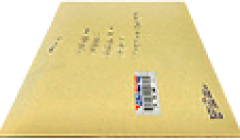 Side view
 Back view
Your order will be securely packed and shipped within 24 hours. This is exactly what your package will look like (images of an actual item sent). It has the size and look of a regular private letter (9.4x4.3x0.3 in. or 24x11x0.7 cm) and its contents cannot be seen.
Glyxambi — Comparison with alternatives
Glyxambi Current

Invokana

Empagliflozin

Karela Best price

Januvia Best rated
Reviews and Experiences
Sources
- MOHAP (UAE Ministry of Health and Prevention) (2022). National Clinical Practice Guidelines for Diabetes Mellitus ↑
- European Medicines Agency (EMA) (2024). Empagliflozin: Summary of Product Characteristics (SmPC) ↑
- World Health Organization (WHO) (2025). WHO guideline on the pharmacological treatment of diabetes in adults ↑
- U.S. Food and Drug Administration (FDA) (2023). SGLT2 inhibitors: Drug Safety Communication on ketoacidosis and serious urinary tract infections ↑
- NICE (UK National Institute for Health and Care Excellence) (2025). Type 2 diabetes in adults: management (NG28) ↑
