
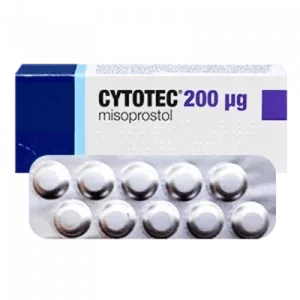

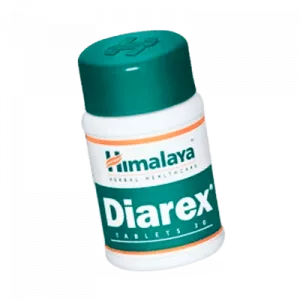

Verified
I took Prilosec every morning before breakfast. Days 1–2 were about the same, then by day 4 the burning after coffee eased a lot. I got mild headache on two afternoons, then it passed.
3 Nov 2024


Prilosec is a proton pump inhibitor containing omeprazole. It is for adults with frequent heartburn occurring two or more days a week. It lowers stomach acid by blocking the proton pump to reduce reflux-related burning and support healing.
Prilosec is a stomach acid reducer from the Proton Pump Inhibitors (PPIs) group. The active ingredient is omeprazole, which switches off the “proton pump” in acid‑producing stomach cells, so less acid is released into the stomach and up into the oesophagus.
Frequent heartburn usually happens when stomach contents back up and out of the stomach into the oesophagus, irritating its lining and causing burning pain behind the chest bone. By lowering acid at the source, Prilosec helps reduce the burning sensation and supports healing when reflux has been happening repeatedly. This mechanism and the approved OTC role of omeprazole for frequent heartburn are described in regulator-reviewed information [1].
The effect can start within hours, yet symptom control tends to improve over several days because the drug prevents new acid secretion rather than neutralising acid already present.
Active ingredient: omeprazole (proton pump inhibitor). Product form: delayed‑release oral capsules designed to release omeprazole in the intestine. Strength depends on the specific capsule (commonly 10 mg, 20 mg, or 40 mg omeprazole per capsule).
Prilosec is an acid-suppressing medicine containing omeprazole, used for adults who get frequent heartburn (heartburn two or more days a week).
Prilosec is a PPI, so it prevents acid production upstream. Other heartburn medicine options work downstream by neutralising existing acid or blocking histamine-driven acid release.
Here is a practical comparison by medication type:
|---|---:|---| | Prilosec (PPI: omeprazole) | 1–4 days for full effect | Frequent heartburn | | Antacids (e.g., calcium carbonate, magnesium hydroxide) | Minutes | Occasional heartburn | | H2 blockers (acid reducers such as famotidine; Tagamet is cimetidine) | Within about an hour | Occasional to moderate heartburn |
If your main problem is nightly reflux, a clinician may choose an H2 blocker short term or a PPI course depending on symptom frequency and severity. If your symptom pattern is “a few times a week, for months,” Prilosec’s longer-building mechanism often matches better than an antacid-only strategy.
Do not use Prilosec if:
Headache and mild digestive changes (diarrhoea, constipation, bloating, nausea) are among the more common side effects people report early on. A rash or itching can be an allergy signal. Persistent dizziness, severe abdominal pain, or ongoing vomiting should be treated as “stop and assess” symptoms, not something to push through.
One-sentence reality check: PPIs can mask symptoms of more serious disease. That is why red-flag symptoms matter.
People rarely “fail” Prilosec; they usually mis-time it or expect the wrong job from it.
Common mistakes I see repeatedly:
In clinic, doctors often describe Prilosec as a “pattern medicine,” meaning it works best when the symptom pattern matches: frequent heartburn, predictable reflux, and symptoms that track meals or lying down.
A few observations that come up repeatedly in practice:
Trouble swallowing, pain when swallowing, vomiting blood, or black stools are red flags because they can signal bleeding or narrowing, not “simple heartburn.” New, unexplained weight loss with persistent reflux is also a reason clinicians escalate evaluation. MOHAP-aligned safe-use messages emphasise not ignoring alarm symptoms when self-treating common conditions .
The top reason is timing: taking it after food instead of before a meal reduces the number of activated pumps available for binding. The second reason is using it for occasional heartburn when an antacid would match the need better. The third is stopping too early, then calling it a failure when symptoms rebound. The WHO’s medicine information resources reflect that correct use is central to benefit with acid suppressants .
Prilosec use in pregnancy or breastfeeding is a clinician-led risk–benefit decision, especially when lifestyle measures and shorter-acting options have not been enough. Many clinicians prefer the lowest effective exposure for the shortest necessary time, while also treating alarm symptoms as a reason to evaluate rather than self-manage. EU safety information for omeprazole supports this cautious, individualised approach .
Your order will be securely packed and shipped within 24 hours. This is exactly what your package will look like (images of an actual item sent). It has the size and look of a regular private letter (24x11x0.7 cm) and its contents cannot be seen.
