Verified
My biggest issue was high numbers after dinner. I took Prandin 15 minutes before meals and the after-meal spikes came down within the first week. I had two mild lows when dinner was lighter than usual.
25 Nov 2024


Prandin is an oral diabetes medicine containing repaglinide, a meglitinide that stimulates insulin release. It is for adults with type 2 diabetes who need better control of after-meal blood sugar rises. It helps lower post-meal glucose by prompting the pancreas to release insulin around mealtimes.
Repaglinide is the active ingredient in Prandin. It works only if the pancreas still has functioning beta cells, which is why it is used in type 2 diabetes and not in type 1 diabetes.
Repaglinide stimulates the pancreas to release insulin by closing ATP-dependent potassium channels on pancreatic beta cells, which leads to calcium entry and insulin secretion. The practical meaning is simple: when you take it before a meal, it boosts the insulin response your body should be making as glucose rises. This is why timing is a big deal with Prandin.
The active ingredient in Prandin is repaglinide, a short-acting meglitinide that prompts meal-time insulin release. It is supplied as oral tablets in several strengths (commonly 0.5 mg, 1 mg, and 2 mg) so the dose can be matched to meal size.
Alongside the active substance, the tablets contain inactive excipients that give the tablet its form and stability — typically fillers and binders such as microcrystalline cellulose, calcium hydrogen phosphate, maize starch, povidone, glycerol, and magnesium stearate, with colourants in some strengths. Exact excipients vary by manufacturer and strength, so check the leaflet if you have known excipient sensitivities.
Take Prandin by mouth shortly before each main meal.
Prandin is used to manage type 2 diabetes by lowering elevated blood sugar (hyperglycemia), with a focus on after-meal control. Better postprandial control can help bring down overall glycemic exposure, which is often reflected in HbA1c trends over time. The WHO highlights that preventing long-term diabetes complications relies on sustained glucose control alongside lifestyle measures and risk-factor management such as blood pressure and lipids [3].
Prandin is not used to treat type 1 diabetes. It is not used for diabetic ketoacidosis.
Prandin contains repaglinide. Alternatives are other oral diabetes medications that lower blood glucose through different mechanisms, and sometimes they are combined in one regimen.
Key oral alternatives by class and mechanism:
| Option | Drug class | Main best-fit use-case |
|---|---|---|
| Repaglinide (Prandin) | Meglitinide | Post-meal glucose spikes; flexible mealtimes |
| Metformin | Biguanide | First-line base therapy in many adults; insulin resistance |
| Sitagliptin | DPP-4 inhibitor | Modest HbA1c lowering with low hypoglycemia risk when used alone |
Trade-offs matter. Prandin can be very effective for meal-related spikes, but it can cause hypoglycemia, and it adds a “dose-with-meals” routine that some people find tiring. Metformin does not target meals as directly, yet it does not usually cause hypoglycemia on its own. DPP-4 inhibitors are often easier day-to-day, but their glucose-lowering effect may be less pronounced for sharp postprandial peaks.
Prandin may not be suitable if any of the following apply:
The side effect that matters most with Prandin is hypoglycemia (low blood sugar), since repaglinide increases insulin release. Other reported effects include nausea, diarrhea, headache, back pain, joint pain, and cold-like symptoms such as nasal congestion or sore throat. Rarely, symptoms suggestive of liver injury can occur (for example jaundice or dark urine), and urgent medical assessment is needed in that scenario.
Signs of hypoglycemia can include sweating, tremor, hunger, fast heartbeat, headache, sudden irritability, or confusion. Some people only notice “I can’t think straight” or “I got snappy for no reason.”
Taking Prandin correctly is more about timing than willpower.
One sentence that comes up a lot: “I took it, then the meeting ran late.” Planning around real life is part of using Prandin well.
In clinical practice, prescribers often reach for repaglinide when a patient’s main problem is post-meal glucose spikes, or when meal times vary from day to day. It can also be used alongside other oral diabetes medicines, but the prescriber will usually reduce overlapping “insulin-releasing” drugs to keep hypoglycemia risk under control. Clinicians also watch for a pattern: people who eat small meals may do better than people who “graze” all day, because Prandin is built around defined meals, not continuous snacking.
One more real-world point doctors raise: hypoglycemia from repaglinide can be easy to miss if symptoms feel like “stress” (shaky hands, sweating, irritability), so structured self-monitoring matters when starting or changing the dose.
A single dose that is too high for your meal size can cause low blood sugar. A dose that is too low can leave you high after meals.
Prandin is designed for meal-time control, so its glucose-lowering effect begins around the time glucose is rising after eating. Many people see an effect on post-meal readings from the first days when timing is consistent. EMA product information for repaglinide describes it as short-acting, which is why it is taken shortly before meals rather than once daily. In clinical practice, the biggest determinant of early success is matching the dose to meal size.
Skip the Prandin dose for that meal. The purpose of Prandin is to stimulate insulin release around food intake, so taking it without eating raises hypoglycemia risk. MOHAP diabetes education materials stress aligning medicines with meals as part of safe self-management. If skipped meals are frequent, clinicians often rethink the regimen.
Yes, repaglinide is sometimes combined with metformin because they target glucose in different ways. Metformin reduces hepatic glucose output, while Prandin increases meal-time insulin secretion from the pancreas. WHO diabetes guidance supports combination therapy when single-drug control is insufficient, paired with lifestyle measures. Dose planning matters to avoid hypoglycemia when multiple agents are used.
Weight changes vary by person, but medicines that increase insulin secretion can be associated with modest weight gain in some patients, often driven by reduced glucose loss and extra calories used to treat lows. Keeping hypoglycemia rare helps avoid “defensive snacking,” a common reason weight creeps up. EMA safety information links hypoglycemia to insulin secretagogues, and frequent lows can indirectly affect appetite and weight patterns. Tracking meals and post-meal readings for two weeks gives clearer answers than the scale alone.
Common signs include sweating, tremor, hunger, dizziness, headache, irritability, and confusion. If you take a beta-blocker, palpitations may be less noticeable, so watch for sweating and sudden fatigue. MOHAP patient guidance for diabetes self-care in the UAE includes recognizing and treating hypoglycemia promptly as a core safety skill. Recurrent lows mean the dose, meal size, or activity plan needs adjustment.
Generic repaglinide contains the same active ingredient and is expected to provide the same clinical effect when used the same way. Regulators require bioequivalence testing so blood levels fall within an accepted range compared with the reference product. EMA standards for generics are designed to make switching feasible without loss of efficacy. After any switch, checking post-meal readings for several days is a practical way to confirm the regimen still fits your meals.
Your order will be securely packed and shipped within 24 hours. This is exactly what your package will look like (images of an actual item sent). It has the size and look of a regular private letter (24x11x0.7 cm) and its contents cannot be seen.
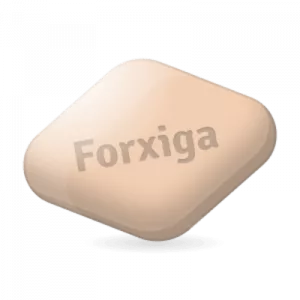
Prandin works best when meals are consistent in carbohydrate amount and timing. Diet and exercise are not optional add-ons; they set the baseline that Prandin builds on. Regular activity improves insulin sensitivity, so your body needs less insulin to handle the same glucose load, and your Prandin plan may need adjustment as your fitness improves.
A practical way to use Prandin well is to match it to predictable, repeatable meals. If your dinner is sometimes light and sometimes heavy, after-meal readings can swing widely even with the same dose.
