

Fosamax - Alendronate
4 customer reviewsFosamax is an oral bisphosphonate tablet containing alendronate sodium. It is used for osteoporosis treatment and prevention in adults at increased fracture risk. It slows bone breakdown to help preserve bone density and reduce fracture risk.
What is it?
Fosamax is an oral bisphosphonate tablet containing alendronate sodium for people who need treatment or prevention of osteoporosis. It is used most often in postmenopausal women and in men with osteoporosis. The medicine slows bone breakdown so bone density can improve, lowering the chance of fractures.
One practical point patients often find reassuring: Fosamax is not a painkiller, so you may not “feel” it working day to day, and fracture-risk reduction is the main target measured on bone density scans and clinical outcomes [1].
Fosamax targets the spine and hip fracture risk most, which is why clinicians prioritise it in osteoporosis plans when bone mineral density (BMD) is low or when a prior fragility fracture has occurred.
Composition
Fosamax contains alendronate sodium (also called alendronate or alendronic acid). Alendronate sodium is a bisphosphonate that binds strongly to bone at sites where bone is being actively remodelled. It binds to the bone surface and reduces the activity of osteoclasts, the cells that break bone down.
Bone is living tissue. It is constantly rebuilt by osteoblasts and removed by osteoclasts. With osteoporosis, breakdown outpaces rebuilding, so bones lose strength. By slowing osteoclast-driven bone resorption, Fosamax gives bone formation a chance to catch up, improving bone density over months.
How to use?
On this page, Fosamax is supplied as 70 mg tablets, a dose commonly used once weekly for osteoporosis treatment. Fosamax is taken by mouth as a tablet.
You may hear the term “FOSAMAX Once weekly 70mg” in clinic conversations; it refers to the same weekly osteoporosis approach using alendronic acid (as sodium alendronate) at 70 mg per tablet. Some markets also carry a combination product called Fosamax Plus D (alendronate with vitamin D), which is aimed at people who also need vitamin D support; the core osteoporosis medicine remains alendronate.
A key limitation to understand: alendronate absorption is very low even when taken correctly, so the timing rules matter and “taking it with breakfast” can make it far less useful.
Take Fosamax first thing in the morning, on an empty stomach.
Use this step-by-step method to maximise absorption and reduce oesophageal irritation:
- Swallow one tablet with a full glass of plain water (at least 200 mL).
- Do not use mineral water, coffee, tea, milk, or juice with the dose.
- Stay upright (sitting or standing) for at least 30 minutes after swallowing.
- Avoid food, beverages, and other oral medicines for at least 30 minutes.
Do not chew, crush, or suck the tablet. Keep it intact.
If you miss a weekly dose, take it the next morning after you remember, then return to your usual chosen day the following week. Do not take two tablets on the same day.
How does it work?
- Dose: 10 mg orally once daily, or 70 mg orally once weekly.
- How to take: Swallow the tablet whole with a full glass of plain water.
- Timing: Take first thing in the morning, at least 30 minutes before the first food, drink, or other oral medicine of the day.
- Positioning: Stay upright for at least 30 minutes after taking it and until after the first food of the day.
- Duration: Use long term only as prescribed by a clinician for osteoporosis or other approved bone conditions.
- Route: Oral tablet only.
Indications
Fosamax is a bisphosphonate used for the treatment of osteoporosis and for the prevention of osteoporosis in people at increased fracture risk. It is also used in Paget’s disease of bone, a condition where bone remodelling becomes abnormal and bones can become weak or misshapen.
Fosamax is indicated for postmenopausal women with osteoporosis or at high risk of osteoporotic fractures, because oestrogen decline accelerates bone loss after menopause. It is also used in men with osteoporosis, including men with a low-trauma fracture history or clearly reduced bone density.
Doctors also consider Fosamax for people at risk due to:
- Long-term systemic corticosteroid use (steroid-induced osteoporosis risk)
- Low body weight or strong family history of hip fracture
- Previous vertebral compression fractures
Paget’s disease of bone is a separate indication, where alendronate can help normalise bone turnover and reduce disease activity.
Comparison
Fosamax is one of several evidence-based options for osteoporosis. Alternatives are chosen when adherence is difficult, side effects limit use, kidney function is reduced, or fracture risk is very high.
Common options include other bisphosphonates such as risedronate (Actonel), ibandronate (Boniva), and zoledronic acid (Reclast), plus non-bisphosphonate therapies like denosumab (Prolia, Xgeva) and anabolic treatment like teriparatide (Forteo). The main differences are dosing schedule, route (oral vs injection/infusion), and suitability with renal function and GI conditions.
| Option | Class | How it’s given |
|---|---|---|
| risedronate / ibandronate / zoledronic acid | Bisphosphonates | Oral tablets or IV infusion |
| denosumab | RANKL inhibitor | Subcutaneous injection |
| teriparatide | Anabolic (PTH analogue) | Daily subcutaneous injection |
Fosamax and generic Alendronate Sodium (generic Fosamax) contain the same active ingredient: alendronic acid (as sodium alendronate). For most patients, generics are considered therapeutically equivalent when approved by regulators, so they should deliver the same clinical benefit when taken correctly.
Differences are usually in inactive ingredients (excipients), tablet appearance, and packaging. Those differences can matter if you have a specific excipient sensitivity or if you notice a change in tolerability after switching. The osteoporosis “rules” stay the same: empty stomach, plain water, upright posture, and separation from calcium/antacids.
Contraindications
- Hypersensitivity to alendronate sodium or tablet components
- Hypocalcaemia (low blood calcium) that has not been corrected
- Oesophageal abnormalities that delay emptying (such as stricture or achalasia)
- Inability to remain upright (sitting or standing) for at least 30 minutes after taking the tablet
- Severe renal impairment with creatinine clearance below 35 mL/min
- Concurrent use of calcium supplements, iron, magnesium, or antacids too close to the Fosamax dose because they reduce absorption
- NSAID use can increase stomach irritation risk in susceptible patients
- Allergy to alendronate or tablet components
Not recommended for
Fosamax may not be a good choice if you have a swallowing problem, severe reflux, or another upper-stomach condition that could be irritated by the tablet. It is also not suitable if you cannot stay upright for 30 minutes after taking it, or if your blood calcium has not been corrected first.
Side effects
Most side effects relate to the gastrointestinal tract:
- Heartburn, indigestion, nausea
- Abdominal discomfort, constipation, diarrhoea
- Oesophagitis (inflammation of the oesophagus), often linked to incorrect administration
Musculoskeletal symptoms can occur too. Some patients report bone, muscle, or joint pain, which can range from mild to disruptive.
A real drawback: if you already have reflux or swallowing issues, Fosamax can be harder to tolerate, and clinicians may consider a different osteoporosis option.
Serious side effects associated with Fosamax
Serious reactions are uncommon, yet they matter because early recognition changes outcomes.
Osteonecrosis of the jaw (ONJ) is a rare complication more often discussed in high-dose bisphosphonate use and oncology settings, but it can also occur in osteoporosis therapy. Warning signs include jaw pain, swelling, loose teeth, poor gum healing, or exposed bone after dental work.
Atypical femur fractures are also rare, yet they are the reason clinicians reassess long-term bisphosphonate therapy and consider a “drug holiday” for selected low-risk patients after years of stable control. A classic red flag is persistent dull thigh or groin pain that appears without an injury.
Precautions and contraindications for Fosamax
Allergy is straightforward: do not use Fosamax if you are allergic to Fosamax or have had an unusual or allergic reaction to alendronate (rash, facial swelling, breathing difficulty).
Caution is also needed in people with active upper-GI disease (severe reflux, gastritis, peptic ulcer disease), because symptoms can worsen if the administration rules are not followed perfectly.
Common mistakes
Common mistakes include:
- Taking Fosamax with coffee or mineral water, which can sharply reduce absorption.
- Swallowing the tablet and then lying down, which increases oesophageal irritation risk.
- Taking calcium, iron, or antacids within the first hour after Fosamax.
- Choosing a weekly “dose day” that clashes with work or sleep patterns, then missing doses repeatedly.
- Stopping after a few weeks because there is no immediate symptom relief, even though osteoporosis therapy is measured in months.
Doctor opinions
In clinic, physicians focus on fracture risk, not just a single bone density number. A common approach is to start Fosamax when the benefit outweighs the downsides: reduced vertebral/hip fracture risk on one side, plus upper GI irritation risk and rare long-term complications on the other.
Doctors often say two things that patients remember:
- “This medicine only works if you take it the right way.” They mean the empty stomach and upright rules.
- “We treat the trend.” A stable or improving bone density trend and no fractures is a win, even if the scan does not look dramatically different after a short interval.
Some clinicians also schedule a dental review when risk factors exist (poor dentition, planned invasive dental work, cancer therapies), because jaw complications like osteonecrosis of the jaw are rare yet serious. This risk is small for most osteoporosis patients, and it is managed best with planning [2].
Frequently asked questions
Can Fosamax be taken with other morning medicines?
Fosamax should be taken first, with plain water, before any other oral medicines. Many tablets and supplements (calcium, iron, magnesium, antacids) can block absorption if taken too close. A practical routine is Fosamax on waking, then other medicines after the 30‑minute window and after breakfast when suitable. This spacing approach aligns with EMA product guidance for oral alendronate administration.
Does Fosamax affect dental work and jaw health?
Osteonecrosis of the jaw is rare in osteoporosis dosing, yet it is taken seriously because prevention is easier than treatment. Planned extractions, implants, or poorly healing gums should be discussed with the treating clinician so timing and risk can be assessed. Good oral hygiene and managing gum disease lowers baseline risk. EMA safety information for bisphosphonates in 2023 describes jaw complications as uncommon but clinically significant.
Can Fosamax be used in kidney disease?
Fosamax is not recommended in severe renal impairment, and a creatinine clearance threshold is used in prescribing. Kidney function matters because bisphosphonates are cleared renally and safety data is limited below certain levels. If kidney function is reduced, clinicians may choose an alternative with a different renal profile. This approach matches the standard regulatory positioning for alendronate in EMA documentation in 2023.
Is Fosamax the same as alendronic acid or Alendronate Sodium?
Yes. Fosamax contains alendronate sodium, which is the salt form of alendronic acid used in tablets. Generic Alendronate Sodium products contain the same active ingredient and are expected to provide the same therapeutic effect when approved through bioequivalence standards. Differences tend to be excipients and tablet characteristics rather than the bone-active medicine itself. WHO medicine information pages in 2025 describe alendronate under its international nonproprietary name, which is why you may see different wording across healthcare systems.
Do you offer anonymous delivery?
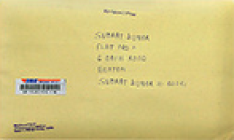 Front view
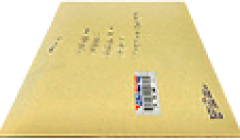 Side view
 Back view
Your order will be securely packed and shipped within 24 hours. This is exactly what your package will look like (images of an actual item sent). It has the size and look of a regular private letter (9.4x4.3x0.3 in. or 24x11x0.7 cm) and its contents cannot be seen.
Fosamax — Comparison with alternatives
Fosamax Current

Deflazacort Best price

Humira

Rumalaya

Shallaki Best rated
Reviews and Experiences
Sources
- EMA (2023). Summary of Product Characteristics (SmPC) — alendronate sodium ↑
- EMA (2023). Bisphosphonates: safety communication on osteonecrosis of the jaw and atypical femoral fractures ↑
- MOHAP (Ministry of Health and Prevention) (2025). Osteoporosis risk assessment and management guidance ↑
- Cochrane (2025). Bisphosphonates for osteoporosis: benefits and harms ↑
