


Verified
My rheumatoid arthritis flare settled by the second month. The first two injections caused a red patch that lasted a day, then it stopped happening. I kept a note in my phone for injection sites, which helped.
10 Oct 2025

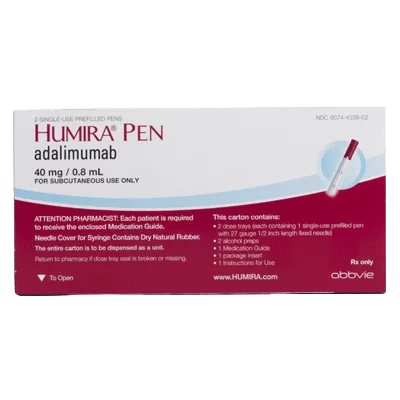
Humira is a prescription biologic medicine containing adalimumab. It is for adults and, in selected conditions, children with immune-driven inflammatory diseases such as arthritis and psoriasis. It blocks TNF-alpha to reduce inflammation and help prevent ongoing joint or skin damage.
Humira, with the active ingredient Adalimumab, is a biologic medication used to treat autoimmune inflammatory diseases such as rheumatoid arthritis, psoriatic arthritis, and plaque psoriasis. It is used in adults and, in selected conditions, in children with juvenile idiopathic arthritis when immune-driven inflammation causes ongoing joint or skin damage. Humira works by blocking TNF-alpha, a key signal that drives inflammation, helping reduce pain, swelling, and progressive tissue damage.
Humira contains Adalimumab, a monoclonal antibody. A monoclonal antibody is a lab-made protein designed to bind one specific target in the immune system. Humira belongs to TNF inhibitors, a class of biologic medications that block tumor necrosis factor alpha (TNF-alpha), a central driver of inflammation.
A limitation that matters: because TNF inhibitors reduce immune signalling, the body may be less able to contain infections while on treatment.
Humira is used to treat chronic inflammatory diseases driven by an overactive immune system, including rheumatoid arthritis, psoriatic arthritis, ankylosing spondylitis, plaque psoriasis, Crohn’s disease, ulcerative colitis, hidradenitis suppurativa, uveitis, and juvenile idiopathic arthritis.
Humira is a prescription-strength biologic used when inflammation is being driven by an overactive immune response rather than “wear and tear.” In practice, clinicians use it to control flares, reduce symptoms, and protect joints or skin from long-term damage in chronic inflammatory disease, while also aiming to reduce steroid exposure.
Humira is used for inflammatory conditions that can affect joints, skin, spine, and sometimes other organs. Common uses include:
Treatment choices in immune-mediated inflammatory disease usually compare three buckets: TNF inhibitors (including Humira), other biologics with different targets, and small-molecule immunomodulators. There are also adalimumab biosimilars (biosimilars are highly similar versions of a biologic with no clinically meaningful differences in safety or efficacy in their approved indications).
A biosimilar example you may hear in clinic is Amgevita (also written AMJEVITA). Other biologic alternatives target different immune pathways, such as abatacept (T-cell co-stimulation modulator) or anakinra (IL-1 receptor antagonist). Within TNF inhibitors, clinicians may also consider etanercept, infliximab, golimumab, or certolizumab, based on disease type, prior response, and route preferences.
| Option | What it targets | Typical place in therapy |
|---|---|---|
| Humira (Adalimumab) | TNF-alpha | Widely used across arthritis and psoriasis indications; self-injected biologic |
| Adalimumab biosimilars (e.g., Amgevita / AMJEVITA) | TNF-alpha | Same target as Humira; used where biosimilar substitution is clinically and locally appropriate |
| Other biologics (abatacept, anakinra, etanercept, infliximab, golimumab, certolizumab) | TNF-alpha or other immune targets | Chosen when TNF inhibition is not ideal, not tolerated, or not sufficient |
One drawback of “staying within TNF inhibitors” is class-wide infection risk. A benefit is predictable symptom control for many patients.
Humira may not be right for you if you currently have a serious infection (including tuberculosis), if you have had a severe allergic reaction to adalimumab, or if you are dealing with frequent uncontrolled infections.
Extra caution is needed if you have had tuberculosis exposure, a past cancer diagnosis, heart failure, or a history of demyelinating disease, because these can change the balance of benefits and risks.
Side effects range from mild and local to serious and systemic. Most people who stop Humira do so because of infections or persistent tolerability issues, rather than a single “allergy-type” reaction.
WHO safety summaries for TNF inhibitors emphasise infection vigilance because immune modulation can change how infections present and progress [2].
Small habits can create big problems with biologics. These are the ones clinicians see repeatedly.
In clinic, doctors often select Humira when inflammation is active despite conventional disease-modifying therapy, or when rapid control is needed to prevent cumulative joint or skin damage. Rheumatologists also weigh practical factors like dosing schedule, patient comfort with self-injection, past infection history, and the need to coordinate vaccination timing.
A few real patterns clinicians see:
Some patients notice less morning stiffness or skin inflammation within a few weeks, while others take longer for a clear change in joint swelling and function. Rheumatologists often assess early response and then re-check at later milestones because improvement can build gradually. Response also depends on the condition being treated and whether other disease-modifying medicines are used alongside. This expectation matches regulator-reviewed clinical trial timelines summarised by the EMA in its 2026 product information updates for adalimumab.
Many clinicians advise taking the missed dose as soon as you remember if it’s close to your planned schedule, then returning to your usual dosing day. If it’s nearly time for the next planned dose, your prescriber may advise skipping the missed one rather than “doubling up.” The reason is simple: doubling can increase side effects without restoring steady control. MOHAP-aligned patient care standards in the UAE emphasise consistent dosing and clear follow-up when schedules slip.
Yes, Adalimumab is used in selected paediatric inflammatory arthritis cases, including polyarticular juvenile idiopathic arthritis (also called juvenile idiopathic arthritis or juvenile rheumatoid arthritis in some clinical conversations). Dosing and monitoring are individualised in children, and infection screening and vaccination planning become even more central. Parents often report that school attendance and sports participation improve when inflammation is controlled, yet careful follow-up remains part of safe use. WHO guidance on biologic therapies supports structured monitoring in paediatric immune-mediated disease due to infection risk and growth/development considerations.
It depends on what those medicines are. Many people use Humira with non-biologic disease-modifying treatments when a specialist wants a stronger anti-inflammatory effect, while combinations with another biologic are usually avoided due to additive immune suppression. Always list every medicine you take, including intermittent steroids and any injections given in clinic, because “as needed” therapies still matter for risk. EMA safety communications discuss heightened infection risk when combining biologic immunomodulators and outline why combinations should be specialist-led.
Humira is a brand of Adalimumab. Adalimumab biosimilars (for example Amgevita / AMJEVITA) are highly similar biologic versions that match the reference medicine in clinical effect for approved indications, with the same target (TNF-alpha). Switching decisions are usually made by a prescriber within local policy and based on patient history, device comfort, and monitoring plans. EMA explains biosimilars as medicines designed to be clinically equivalent to their reference biologic while meeting strict comparability requirements.
Yes. Some infections present subtly on TNF inhibitors, so symptoms like unusual fatigue with a low-grade fever, a cough that keeps returning, or a skin lesion that is slow to heal deserve attention. Screening before treatment (TB testing, hepatitis checks) reduces risk, but it does not remove it. WHO pharmacovigilance summaries continue to highlight infection monitoring as a central safety pillar for TNF inhibitors used long term.
Your order will be securely packed and shipped within 24 hours. This is exactly what your package will look like (images of an actual item sent). It has the size and look of a regular private letter (24x11x0.7 cm) and its contents cannot be seen.
