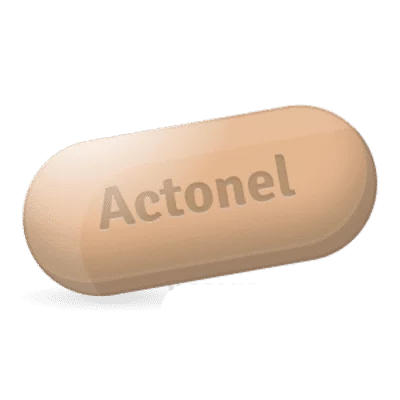
Actonel is an oral bisphosphonate tablet containing risedronate sodium. It is used for osteoporosis and Paget’s disease in people at increased fracture risk. It helps slow bone breakdown so bone density can improve over time.
Description
Actonel is an oral tablet medicine for disorders where bones become weaker and more fracture-prone. The main condition is osteoporosis, including postmenopausal osteoporosis, where the drop in oestrogen accelerates bone loss.
Actonel is also used in men at increased fracture risk, where low bone mineral density and age-related changes raise the chance of spine and hip fractures. In day-to-day care, the goal is not “stronger bones next week,” but fewer fractures over time and steadier bone density on follow-up scans.
Paget’s disease of bone is another use in clinical practice. In Paget’s, bone turnover becomes disorganised, and treatment aims to bring that turnover back toward normal so bone pain and deformity risk reduce.
Composition
Actonel contains risedronate sodium as the active ingredient. The tablets also include standard excipients that support tablet formation and stability. It is a bisphosphonate used to help protect bone tissue and reduce bone loss.
Dosage and usage
Start with the morning dose routine. This is where most preventable side effects come from.
Typical administration for Actonel tablets (risedronate):
Take it first thing in the morning on an empty stomach, at least 30 minutes before food, drinks, or other medicines.
Swallow the tablet whole with at least 200 mL of plain water.
Stay sitting or standing for at least 30 minutes after the dose.
Do not take it at bedtime or before getting up for the day.
The regimen depends on your diagnosis; for osteoporosis, a common schedule is once weekly, as prescribed.
Three short points matter. Empty stomach. Plain water only. Stay upright.
Coffee, tea, milk, juice, and mineral water can reduce absorption; plain water gives risedronate the best chance to work.
How it works
Take 1 tablet by mouth once daily, or as prescribed for the specific indication.
Swallow the tablet whole with plain water only; do not crush, chew, or suck it.
Take it first thing in the morning, at least 30 minutes before the first meal, drink, or other oral medicine.
Stay upright for at least 30 minutes after taking the tablet.
Duration is usually long-term and depends on bone density monitoring and the prescribed treatment plan.
Indications
Actonel is used to treat bone loss conditions such as osteoporosis, including postmenopausal osteoporosis.
It is also used in men at increased fracture risk, where low bone mineral density and age-related changes raise the chance of spine and hip fractures.
Paget’s disease of bone is another use in clinical practice. In Paget’s, bone turnover becomes disorganised, and treatment aims to bring that turnover back toward normal so bone pain and deformity risk reduce.
Comparison
Actonel is the brand name; risedronate sodium is the generic name. Generic risedronate sodium products contain the same active ingredient and are expected to provide the same therapeutic effect when taken correctly.
Differences, when they exist, are usually in inactive ingredients (excipients) and tablet appearance, which can matter for people with specific intolerances. In practice, the key determinant of results is not brand versus generic—it is correct administration (empty stomach, plain water, upright posture) and staying consistent long enough to see changes on bone density testing.
Several other options exist for osteoporosis treatment medication, selected based on fracture risk, kidney function, adherence, and tolerance.
Option type
How it compares to Actonel
When it may be chosen
Oral bisphosphonates (e.g., ibandronate sodium)
Similar class effect on osteoclasts
When a different schedule is preferred or tolerance differs
IV bisphosphonates (e.g., zoledronic acid injection)
Avoids oesophagus and absorption problems
When oral dosing is hard to follow or GI intolerance is significant
When bisphosphonates are unsuitable or fracture risk is very high
Atelvia is another risedronate formulation used in some markets. The clinical conversation is usually about dosing routine and stomach tolerance, not “stronger” medicine.
Contraindications
Hypersensitivity to risedronate or tablet ingredients
Significant oesophageal disorders such as strictures or achalasia
Inability to stay upright for 30 minutes after taking a tablet
Hypocalcaemia that has not been corrected
Pregnancy
Breastfeeding
When this is not for you
This is not for you if you have a serious oesophageal problem, cannot stay upright after taking tablets, or have low calcium that has not been corrected.
Be careful if you are pregnant, breastfeeding, or have swallowing trouble or strong reflux, because the tablet can irritate the food pipe if it does not move down quickly.
Side effects
Most side effects are gastrointestinal and often relate to dosing technique.
Heartburn or a burning feeling behind the breastbone
Difficulty swallowing
Bone, muscle, or joint pain
Serious effects are uncommon but important: severe chest pain, new trouble swallowing, or vomiting blood needs urgent medical assessment. Long-term bisphosphonate use has been linked with rare osteonecrosis of the jaw and atypical femur fractures, so clinicians re-check ongoing need and fracture risk over time.
New aching in the thigh or groin that does not match your normal muscle soreness deserves attention; it can be an early clue of a rare atypical femur fracture pattern.
Common mistakes
People do not usually “fail” Actonel; they often take it in a way that blocks absorption or irritates the oesophagus.
Taking Actonel with breakfast is the classic error, and it can make the dose close to useless because calcium and other minerals bind the drug in the gut. Another common slip is swallowing it with a small sip of water; the tablet can linger in the oesophagus and trigger burning chest discomfort.
Crushing or chewing the tablet is also a mistake. It increases local irritation in the mouth and throat and does not improve effectiveness.
Some patients “double up” after forgetting a weekly tablet. That raises side-effect risk without giving better bone protection.
If you use calcium or iron supplements, place them later in the day; separating them from Actonel keeps both treatments useful.
What doctors say
Doctors usually frame Actonel as a long-game medicine. The typical expectation is measurable change on a DEXA scan and reduced fracture risk, not a day-to-day sensation of benefit. For many patients, the first follow-up discussion happens after months, when adherence, vitamin D status, calcium intake, and fall risk are reviewed together.
Clinicians also watch for patterns that predict stop-start use: reflux, complex morning medication schedules, and travel. If reflux symptoms flare early, prescribers often first correct technique and timing before abandoning the drug, because a well-taken dose is often well tolerated.
One nuanced point that comes up in practice: “bone, muscle, or joint pain” is listed as a possible adverse effect, yet new pain after starting treatment still deserves evaluation so fractures, vitamin D deficiency, and other causes are not missed.
Frequently asked questions
How fast does Actonel start working in the body?
Actonel begins binding to bone soon after absorption, but the benefit you measure (bone mineral density and fracture risk reduction) is assessed over months, not days. Many clinicians review response with a DEXA scan at intervals suited to baseline risk and local practice. EMA documents for bisphosphonates describe this as a progressive effect tied to bone turnover, so consistency matters more than “feeling” it. Reference year 2023, EMA.
What to do after a missed weekly dose
If you forget a weekly dose, take it the next morning after you remember, as long as you can follow the empty-stomach and upright rules. Then return to your regular weekly day. Do not take two tablets on the same day to “catch up,” because side effects rise without improving benefit. Reference year 2025, MOHAP.
Can Actonel be taken with food or drinks other than water?
Actonel works best on an empty stomach with plain water, because minerals and many beverages reduce absorption. Milk, calcium-fortified drinks, coffee, tea, and juice can interfere. A simple routine is water only, then wait at least 30 minutes before anything else. Reference year 2025, WHO.
Does Actonel treat Paget’s disease as well as osteoporosis?
Yes, risedronate is used in Paget’s disease to reduce the excessive and disorganised bone turnover that characterises the condition. The dosing schedule and monitoring goals can differ from osteoporosis, so the plan is individualised by diagnosis. Doctors typically follow symptoms and biochemical markers along with imaging when indicated. Reference year 2025, EMA.
Who should be cautious with Actonel because of reflux or swallowing problems?
People with significant reflux, difficulty swallowing, or known oesophageal disorders need careful assessment before using Actonel, because the tablet can irritate the oesophagus if it lingers. Technique helps a lot: full glass of water and staying upright. Persistent chest pain, painful swallowing, or new severe heartburn should be treated as warning signs. Reference year 2025, MOHAP.
Is long-term use linked with jaw or thigh bone problems?
Rare events like osteonecrosis of the jaw and atypical femur fractures have been reported with long-term bisphosphonate therapy. Clinicians reduce risk by reassessing ongoing need, reviewing dental plans, and taking new thigh or groin pain seriously. The absolute risk is low for most osteoporosis patients, yet it belongs in the risk–benefit discussion. Reference year 2025, WHO.
Do you offer anonymous delivery?
Your order will be securely packed and shipped within 24 hours. This is exactly what your package will look like (images of an actual item sent). It has the size and look of a regular private letter (24x11x0.7 cm) and its contents cannot be seen.
I took it once a week and kept it by the kettle as a reminder, but I waited to drink anything except water. Heartburn showed up the first two doses, then settled when I used a bigger glass of water and stayed upright.
9 Nov 2024
O
Omar, 58
Abu Dhabi
Using for 6 months
Verified
Rating: 4.4 out of 5
DEXA follow-up was the reason I stayed consistent. I did not feel a daily change, but my doctor said the trend looked better. Mild stomach upset happened if I forgot and tried to take it closer to breakfast.
28 Oct 2024
S
Salma, 66
Sharjah
Using for 7 weeks
Verified
Rating: 3.2 out of 5
Week two was rough because I took it with coffee out of habit and got chest burning. After switching to plain water only, it improved, but I still had occasional nausea.
18 Nov 2024
H
Hassan, 71
Al Ain
Using for 10 months
Verified
Rating: 3.4 out of 5
I had joint aches for a few days after some doses, not every week. Dental work was planned, so my doctor wanted coordination first. It was manageable, just needed planning.
22 Oct 2024
Sources
European Medicines Agency (EMA) (2023). Risedronate sodium — Summary of Product Characteristics (SmPC).
U.S. Food and Drug Administration (FDA) (2024). Risedronate sodium — Prescribing Information (label).
MOHAP (Ministry of Health and Prevention) (2025). Medication safety and patient guidance resources (public information).
World Health Organization (WHO) (2025). Medication safety: medicines information and interaction awareness (public guidance).
European Medicines Agency (EMA) (2023). Risedronate sodium — Summary of Product Characteristics (SmPC).