

Shallaki
4 customer reviewsShallaki is a Boswellia serrata resin supplement standardized for boswellic acids. It is for adults who want support with joint comfort, stiffness, and mobility. Boswellic acids help calm inflammatory signalling linked with swelling and pain.
What is it?
Shallaki is derived from the oleo-gum resin of Boswellia serrata (often shortened to Boswellia). In traditional Ayurveda, Boswellia resin has been used for centuries for musculoskeletal comfort and for soothing inflammatory conditions. You may also hear Boswellia referred to as frankincense, though in supplements the focus is on standardized extracts rich in boswellic acids rather than fragrance use.
From a supplement-pharmacology point of view, shallaki is a type of Boswellia Serrata Gum (resin) preparation that’s processed into a convenient oral pill format. Many people choose this route when they want joint support without relying only on occasional painkillers.
Composition
Shallaki’s key ingredient is Boswellia serrata extract with boswellic acids as the bioactive fraction. These compounds are linked to modulation of inflammatory pathways, including leukotriene-related signalling that contributes to swelling and discomfort [3].
Many Boswellia-based products are also formulated to be free from common avoidable additives. For example, Himalaya Boswellia (Shallaki) is often positioned as free from sugar, artificial colors, artificial flavors, preservatives, soy, and dairy ingredients, which matters for people who prefer simpler excipient profiles.
If you have plant allergies or you have reacted to essential oils before, treat Boswellia supplements as a higher-allergy-risk category and start cautiously.
How to use?
Shallaki is taken by mouth as pills from a bottle. A practical routine matters more than “perfect timing,” because boswellic acids build their effect over repeated dosing.
Missed dose guidance: if you miss a dose, take it when you remember on the same day. If it’s close to the next dose, skip the missed one and return to your routine. Doubling doses tends to add stomach upset without adding faster joint relief.
This is a supplement.
How does it work?
- Route: Oral.
- Dose: 300–500 mg Shallaki extract (standardized to 30–65% boswellic acids) per dose.
- Frequency: 2–3 times daily.
- Timing: With or immediately after meals.
- Duration: 4–8 weeks, then reassess; may continue up to 12 weeks if needed.
- Alternative dosing option: 250 mg per dose, 3 times daily with meals.
Indications
Shallaki is mainly used to support joints during inflammation-driven discomfort and reduced range of motion. In day-to-day practice, people usually notice benefits as “easier first steps” and “less swelling feel,” rather than a sudden switch-off of pain.
Core benefits linked to Boswellia serrata include:
- Supports the normal function of joints and connective tissues
- Helps maintain flexibility and motion
- Supports comfort in overuse, sport strain, and age-related joint stiffness
- Can be a helpful add-on for people with osteoarthritis-style symptoms who want a plant-based approach
Some clinicians and patients also use Boswellia-based supplements as part of a broader plan that includes weight management, strength training, and short courses of anti-inflammatory medicines when needed [1].
Shallaki is not an instant analgesic.
It works best with routine use.
Comparison
Shallaki sits in the “inflammation-modulating botanical” category. Other joint options work through different pathways, so the best fit depends on whether your main issue is inflammation, cartilage support, or muscle tension around the joint.
| Option | Main focus | When it tends to fit best |
|---|---|---|
| Shallaki (Boswellia serrata) | Inflammatory signalling support (boswellic acids) | Stiffness, swelling-feel, movement discomfort |
| Glucosamine / Chondroitin | Cartilage matrix support | Longer-term joint wear-and-tear support goals |
| Ashvagandha | Stress response + muscle tension support | Pain amplified by poor sleep, stress load, tight muscles |
Ashvagandha can be useful for sleep and stress-related tension, yet it does not target joint inflammatory mediators the same way Boswellia does. Glucosamine/chondroitin is often chosen for cartilage support, but many users don’t feel a clear “comfort shift” early, so expectations need to be realistic.
Contraindications
- Hypersensitivity/allergy or intolerance to Boswellia serrata or related herbal preparations
- Pregnancy or breastfeeding (unless specifically clinician-approved)
- Children under 12
- Acute flare of chronic liver disease
- Acute flare of chronic kidney disease
Not recommended for
Avoid Shallaki if you have ever had an allergic reaction to Boswellia, frankincense, essential oils, or other resin-based botanicals. Do not use it if you are pregnant, breastfeeding, or giving supplements to a child under 12 unless a clinician has advised it. If you have chronic liver or kidney disease, skip it during flares and get medical advice first. Be cautious if you take blood thinners or regular NSAIDs, and stop and seek advice if you notice easy bruising, nosebleeds, or a new rash.
Side effects
Most people tolerate Shallaki well, yet side effects can occur—often dose-related and digestive.
Possible side effects include:
- Mild GI upset (nausea, loose stools, abdominal discomfort)
- Skin allergy signs (rash, itching, redness)
- Dizziness or a “washed out” feeling in some users
- Rarely, photosensitivity (skin feels more reactive to sun)
A longer paragraph, because this is where practical detail helps: if digestive upset shows up, it usually appears in the first week, and it often settles after dose reduction or moving doses to after larger meals. If you develop a rash, stop the supplement and avoid re-challenging until you’ve clarified whether it was Boswellia or another trigger such as a new soap, seafood, or a concurrent antibiotic. If you notice unusual bruising or nosebleeds while also taking blood-thinning medicines, treat that as a medication-interaction signal and pause the supplement until you’ve had proper advice.
Common mistakes
A few predictable missteps reduce results or create avoidable side effects.
- Expecting same-day pain relief: Shallaki is not a fast-acting painkiller; most people judge it too early if they stop within a week.
- Taking it on an empty stomach: this is one of the most common reasons for nausea or reflux.
- Stacking with multiple anti-inflammatory herbs at once: combining several “anti-inflammatory” supplements can increase stomach irritation and make it hard to identify the culprit if a rash appears.
- Using it while ignoring red flags: new hot swollen joint, fever, sudden inability to bear weight, or night pain that wakes you repeatedly needs proper medical assessment, not supplement-only self-care.
- Inconsistent dosing: skipping weekdays and taking double on weekends tends to worsen GI tolerance and blurs whether it is helping.
Doctor opinions
Doctor Perspectives on Shallaki in Real Practice
A fair limitation: if pain is driven by a torn meniscus, nerve compression, or an acute gout flare, Boswellia support is usually not the main answer, and delaying proper assessment can prolong recovery [2].
Frequently asked questions
How long does Shallaki take to work for joint stiffness?
Many users feel a change between 2 and 4 weeks, with steadier benefit by 6–8 weeks if the supplement suits them. This timeline matches what clinicians often see with botanical anti-inflammatory supports, where the effect builds with repeated dosing rather than peaking in hours. In 2026, WHO discussions on traditional medicine continue to emphasize consistency and realistic expectations when using herbal preparations for chronic symptoms [4]. If there is no meaningful change by 6 weeks, it’s reasonable to reassess the plan.
Can Shallaki be used alongside physiotherapy or exercise?
Yes, and this pairing often makes the result easier to notice because less discomfort improves exercise adherence. A common pattern in practice is that people walk more, strengthen better, and then judge the supplement as more helpful. European musculoskeletal care guidance summarized by EMA-linked educational materials continues to place exercise and weight management at the center of osteoarthritis symptom management, with supplements as optional add-ons [5]. Keep the exercise progression gradual, since “too much too soon” can mask any benefit.
Is Shallaki suitable for arthritis and osteoarthritis?
Shallaki is widely used for arthritis-style symptoms where inflammation contributes to pain, swelling, and morning stiffness. For osteoarthritis, it may support comfort and mobility, yet it will not rebuild severely damaged cartilage. In inflammatory autoimmune arthritis, it may support symptom comfort but does not replace disease-modifying therapy; this is a key clinical boundary. For a clearer plan, a diagnosis matters because “arthritis” is a broad umbrella.
What side effects are most common with Boswellia serrata?
Digestive upset is the most frequent complaint, often linked to taking it without food or starting with a higher dose. Skin reactions are less common but matter because they can signal allergy to resin-based botanicals. Dizziness is reported by some users and tends to improve with dose reduction. If you develop photosensitivity, treat it as a reason to stop and reassess triggers.
Can I take Shallaki if I’m pregnant or breastfeeding?
Pregnancy and breastfeeding are times where supplement choices should be more conservative, since safety data is usually limited and individual risk tolerance differs. For Shallaki, avoidance is a sensible default unless a clinician has explicitly approved it for your situation. MOHAP’s public health messaging in 2026 continues to stress careful medicine and supplement selection during pregnancy and lactation, since “natural” does not automatically mean “risk-free.” If joint pain is significant in pregnancy, non-drug measures and clinician-guided options are usually prioritized.
Does Shallaki interact with blood thinners?
A potential interaction concern exists if you use anticoagulants or antiplatelet therapy, mainly because any supplement affecting inflammation pathways can change bruising/bleeding tendency in susceptible people. The practical signal to watch for is new easy bruising, gum bleeding, or nosebleeds after starting the supplement. If that happens, stop Shallaki and seek medication-specific advice. This is more relevant if you also use NSAIDs, since the stomach lining and platelet function are both in play.
Do you offer anonymous delivery?
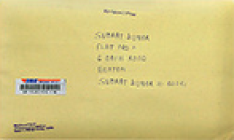 Front view
 Side view
 Back view
Your order will be securely packed and shipped within 24 hours. This is exactly what your package will look like (images of an actual item sent). It has the size and look of a regular private letter (9.4x4.3x0.3 in. or 24x11x0.7 cm) and its contents cannot be seen.
Shallaki — Comparison with alternatives
Shallaki Current Best rated

Deflazacort Best price

Humira

Rumalaya

Arcoxia
Shallaki Gum vs. Extracts and Powders
Shallaki starts as Boswellia Serrata Gum (resin). What changes across formats is convenience, dosing consistency, and how standardized the active compounds are.
Raw gum resin is chewed or dissolved by some traditional users, but dosing is variable and taste can be strong. Shallaki Powder is easier to measure than gum, yet still varies by plant source and processing. Tablets/capsules built around extracts are usually chosen for repeatable intake and simpler routines, since standardized extracts aim to deliver a more predictable amount of boswellic acids per dose.
With any form, the goal is the same: repeated exposure to boswellic acids to support calmer inflammatory signalling and better comfort during movement.
Reviews and Experiences
Sources
- Cochrane (2025). Herbal and dietary supplements for osteoarthritis symptoms: evidence summary and safety considerations. ↑
- MOHAP (Ministry of Health and Prevention) (2026). Guidance on safe use of medicines and supplements in special populations (pregnancy, breastfeeding, chronic disease). ↑
- PubMed (2025). Boswellia serrata and boswellic acids: mechanisms related to inflammatory mediators and clinical use in musculoskeletal complaints. ↑
- WHO (2026). WHO traditional medicine strategy and safety principles for herbal preparations. ↑
- European Medicines Agency (EMA) (2026). Public information on musculoskeletal symptom management and the role of supportive therapies. ↑
