Verified
My eye pressure numbers improved at the follow-up. First week I felt a mild sting and a bitter taste after the drop, then I started pressing the inner corner and the taste mostly stopped.
24 May 2026

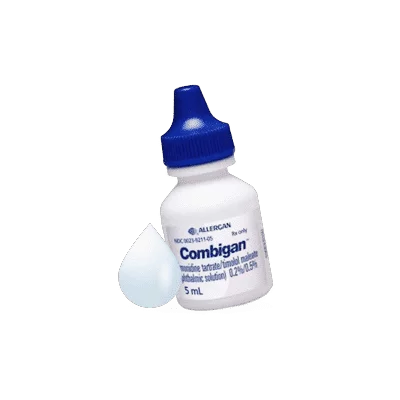
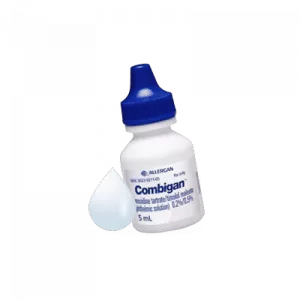
Combigan is a prescription combination eye-drop solution containing brimonidine and timolol. It is for adults with open-angle glaucoma or ocular hypertension who need stronger intraocular pressure control. It lowers eye pressure by reducing aqueous humor production and improving outflow through two complementary pathways.
Combigan Eye Drops are glaucoma eye drops used as an ocular hypertension therapy when the pressure inside the eye (intraocular pressure, IOP) needs stronger control. In Eye Glaucoma care, lowering IOP is the key step proven to slow optic nerve damage and reduce the risk of progressive vision loss. Combigan Eye Drops for Glaucoma Treatment and Eye Pressure Control are commonly prescribed for adults with open-angle glaucoma or ocular hypertension, especially when a single medicine has not brought IOP down enough.
Combigan is supplied as an ophthalmic solution in a bottle (commonly dispensed as a 5 ml bottle). For many people, the practical benefit is using one bottle instead of juggling multiple drops at different times.
Combigan/Brimonidine+Timolol combines two medicines with different targets, creating an ocular hypotensive effect that is often stronger than either ingredient used alone. The formulation contains Brimonidine Tartrate 0.2% + Timolol Maleate 0.5% (timolol maleate is the salt form used in many eye preparations). This pairing matters because glaucoma is often treated stepwise: if one pathway is not enough, a second pathway gets added.
Use the prescribed dose and schedule from your eye specialist. In routine practice, Combigan is often prescribed as one drop in the affected eye(s) twice daily, around 12 hours apart, but your ophthalmologist may individualise this based on IOP readings, optic nerve status, and tolerability.
A practical step-by-step method that reduces contamination and improves consistency:
Pressing the inner corner is called nasolacrimal occlusion, and it can reduce systemic absorption into the bloodstream. This is not a “nice extra”; it can lower the chance of timolol-related effects such as a slower pulse in sensitive patients.
Combigan Eye Drops are glaucoma eye drops used as an ocular hypertension therapy when the pressure inside the eye (intraocular pressure, IOP) needs stronger control. Combigan Eye Drops for Glaucoma Treatment and Eye Pressure Control are commonly prescribed for adults with open-angle glaucoma or ocular hypertension, especially when a single medicine has not brought IOP down enough.
Glaucoma Treatment is usually built around one principle: reduce IOP to a target range that protects the optic nerve. Combination glaucoma drops aim to improve adherence by reducing the number of bottles and dosing steps, while also adding complementary mechanisms in one product. For patients with open-angle glaucoma or ocular hypertension who need more than one pathway blocked, Combigan is often chosen because it pairs an alpha-2 agonist with a beta-blocker.
The trade-off is that combination drops also combine side-effect profiles. If someone is prone to dry eye, allergy-like redness, slow pulse, or breathing sensitivity, clinicians may choose a different class or avoid beta-blockers.
| Option type | What it combines | When it’s often used |
|---|---|---|
| Combigan | Brimonidine + Timolol | When two-mechanism IOP lowering is needed and a simplified routine improves adherence |
| Carbonic anhydrase inhibitor + beta-blocker combos | Two different aqueous-production reducers | When pressure reduction is needed and the patient can tolerate a beta-blocker |
| Prostaglandin combo approaches | Prostaglandin pathway plus another mechanism | When night-time IOP control is a key goal and tolerability fits the patient profile |
This is where monitoring matters: clinicians judge success by measured IOP trends plus optic nerve and visual field stability, not by how the eye “feels” day to day.
Avoid Combigan unless your eye specialist has advised it if you have had wheezing/asthma or significant COPD, a very slow pulse, known heart rhythm conduction problems, or heart failure symptoms. Do not use it if you have ever had an allergic reaction to this drop or its ingredients. Tell your clinician if you take antidepressants in the MAOI class, other beta-blockers, heart rhythm medicines, or sedating medicines, as these can increase unwanted effects like dizziness, tiredness, breathing tightness, or a slower heart rate.
Possible Side Effects of Combigan Eye Drops range from mild eye symptoms to less common systemic effects, because timolol can be absorbed beyond the eye. Many people feel a brief sting or burn after instillation, and some notice dryness, redness, watery eyes, or a foreign-body sensation. Blurred vision right after dosing can occur, so allow a short buffer before tasks requiring sharp focus.
Side effects people report most often in everyday use include:
More serious side effects are uncommon, but they matter:
A real-world nuance: some patients feel tired or “flat” in the first 1–2 weeks, then it eases once they stop absorbing excess drop into the nose and throat by improving technique.
Small technique errors can look like treatment failure. These are the patterns I see most often:
One sentence that saves appointments: if your eye feels “wetter than medicated,” you probably missed the eye and hit the cheek.
Ophthalmologists often move to combination drops when IOP is still above target on a single agent, or when the patient’s day is too busy for complex schedules. A common pattern in clinic is good daytime control on one drug but higher morning pressures; adding a second mechanism in a fixed combination can smooth those peaks. Doctors also watch for “quiet” systemic effects from timolol, since patients may not connect a slower pulse or mild breathlessness to an eye drop.
Many patients see a measurable IOP drop within hours of dosing, with the full day-to-day benefit judged after consistent use over days to a couple of weeks. Clinicians usually reassess IOP at follow-up visits to confirm you reached your target pressure range. In 2026, WHO glaucoma guidance still frames IOP reduction as the only proven modifiable risk factor for slowing progression, so response is measured objectively in clinic rather than by symptoms.
If you miss a dose, use it when you remember unless it is close to the next scheduled dose. If it is close, skip the missed dose and return to your usual schedule, since doubling drops can increase stinging and systemic absorption without adding much benefit. EMA patient information principles for ophthalmic beta-blockers emphasise consistent dosing and avoiding extra doses to “catch up,” because systemic effects can rise with excess exposure. Use reminders if evenings are your weak spot.
Yes for many patients, but lenses should be removed before instilling Combigan, then reinserted after a short wait (many eye specialists advise at least 15 minutes). Preservatives used in multi-dose eye drops can be absorbed by soft contact lenses and raise irritation or dryness, which then affects adherence. If you wear lenses all day, ask your eye specialist whether a lubrication strategy is appropriate, since dry eye is a common reason people start skipping drops.
A brief burn can happen because the eye surface is sensitive and the solution can transiently change the tear film. Dry eye, blepharitis, and frequent use of preserved drops make stinging more likely. If burning is intense, lasts long, or comes with swelling and significant redness, it can signal intolerance or an allergic-type reaction to brimonidine in some patients. In clinic, persistent discomfort is a common reason to adjust therapy even when IOP control looks good.
Yes, in susceptible people, because timolol is a beta-blocker and a portion can be absorbed systemically. Effects can include slower pulse, tiredness, dizziness, and breathing tightness, mainly in people with asthma/COPD or underlying cardiac conduction problems. Using inner-corner pressure for 1–2 minutes after each drop reduces systemic absorption and is one of the most practical ways to lower this risk. If you already track pulse on a smartwatch, a consistent downward shift after starting therapy is useful information to share at your next review.
Your order will be securely packed and shipped within 24 hours. This is exactly what your package will look like (images of an actual item sent). It has the size and look of a regular private letter (24x11x0.7 cm) and its contents cannot be seen.