موثّق
I used Afrin before sleep when the cold blocked my nose. It worked in about 5–10 minutes and I slept. By the third day I stopped and switched to saline so I didn’t get stuck using it.
28 May 2026

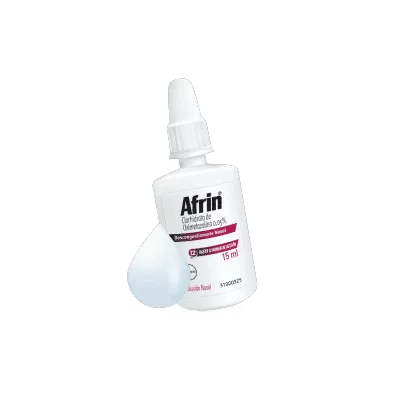
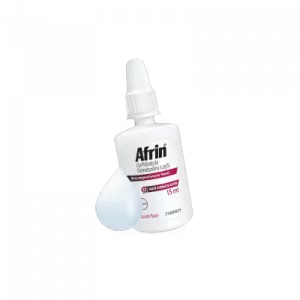
Afrin is an oxymetazoline nasal decongestant spray. It is for people needing short-term relief from a blocked nose due to colds, allergies, or sinus pressure. It works by constricting swollen blood vessels in the nasal lining to open airflow.
Afrin is a nasal spray decongestant containing oxymetazoline that temporarily relieves a blocked nose and sinus congestion. It is used by people who need fast, short-term breathing relief from colds, allergies, or sinus pressure. It works by narrowing swollen blood vessels inside the nasal lining, opening airflow, and it should be used for a maximum of three consecutive days to reduce the risk of rebound congestion.
Afrin contains oxymetazoline. Oxymetazoline belongs to a group of medications called decongestants, and it is designed for intranasal use (Nasal Spray) to treat a stuffy nose, sinus congestion, and pressure; many people also notice less runny nose once swelling settles down.
Oxymetazoline is an alpha‑adrenergic agonist. In plain terms, it activates alpha receptors on blood vessels in the nasal mucosa. This tells the vessels to constrict, which reduces edema (swelling) and quickly improves airflow. Because the action is local, the benefit is mostly in the nose, not the whole body, when used as directed and for a short duration [2].
One spray is not “better” than two. More spray mainly increases dryness.
Use Afrin only as short-term congestion relief. Keep the total use to a maximum of three consecutive days to lower rebound risk.
Technique matters more than people expect:
If you miss a dose, skip it and return to your normal schedule. Doubling up increases side effects and does not prevent the next wave of congestion.
It is used by people who need fast, short-term breathing relief from colds, allergies, or sinus pressure.
Afrin is one of several nasal congestion options. The table below compares the active ingredient with common alternatives a pharmacist would discuss.
| Drug | Onset | Duration | Rebound risk | Best for |
|---|---|---|---|---|
| Oxymetazoline (Afrin) | Minutes | Up to ~12 hours | High if used past 3 days | Short-term blockage, nighttime relief |
| Xylometazoline | Minutes | ~6–8 hours | High if used past a few days | Short-term blockage; similar class |
| Saline (sodium chloride) spray | Gradual | Variable | None | Daily use, pregnancy, dryness, prevention |
| Intranasal corticosteroid (e.g. fluticasone) | Hours to days | Continuous with daily use | None | Allergic rhinitis, longer-term congestion |
Oxymetazoline and xylometazoline both work by vasoconstriction and share the rebound risk, so neither suits long-term use. Saline carries no rebound risk and is the safer choice for repeated or preventive use. For congestion driven by allergy that lasts weeks, an intranasal corticosteroid targets the underlying inflammation rather than masking it, though it acts slowly.
Avoid Afrin unless a clinician has cleared it for you if you:
If you are pregnant or breastfeeding, use extra caution and consider non-drug options first (saline, humidification); if used, keep courses short.
Most side effects are local and brief when Afrin is used correctly. Common effects include nasal burning or stinging, dryness, sneezing, and mild irritation. Some people feel a drip in the throat with a bitter taste, which is usually a spray-angle issue rather than an allergy.
Systemic effects are uncommon but become more likely with overuse, excessive dosing, or sensitive patients. These can include nervousness, headache, dizziness, palpitations, raised blood pressure, and trouble sleeping. Severe reactions are rare, yet they are more plausible if Afrin is used longer than recommended or combined with medicines that amplify adrenergic effects. Pharmacovigilance summaries for oxymetazoline-class decongestants describe these as potential class effects, with local irritation being the most frequent complaint [4].
A dry nose can crack, and small nosebleeds can happen. The most clinically significant risk is rebound congestion (rhinitis medicamentosa), which is why use is capped at three days.
Using Afrin “just at night” for weeks is the most common trap; the three-day rule still applies even if it’s once daily. Spraying repeatedly because the nose is blocked can also backfire, since swollen mucosa may prevent the spray from coating where it needs to act, and the extra liquid simply runs into the throat.
Mixing up congestion with a runny nose is another issue. Afrin is strongest for blockage and pressure from swollen lining; it is not a primary treatment for watery, allergy-driven runny nose unless congestion is also present. Some patients also share a bottle within a family during cold season, which spreads viruses and reinfections. Finally, people sometimes tilt the head far back and “snort hard,” which sends medication to the throat and raises the chance of nausea, cough, and a lingering medicinal taste.
ENT doctors and primary-care clinicians often treat Afrin as a “rescue” decongestant: fast relief for a short window, then stop. Many clinicians prefer it for nights when nasal blockage prevents sleep, but they also warn about rebound congestion and will ask directly about decongestant-spray use when a patient reports constant blockage. When symptoms last beyond a typical viral cold, doctors frequently look for allergic rhinitis, chronic sinus inflammation, or structural causes (like a deviated septum) rather than extending oxymetazoline use.
Afrin often opens nasal airflow within minutes because oxymetazoline causes rapid vasoconstriction in the nasal mucosa. The peak “clear nose” feeling is usually soon after dosing, then gradually fades. If you feel no benefit, severe swelling or thick mucus can block the spray from reaching the lining evenly. EMA SmPC documents and FDA labeling describe this quick local onset as a class characteristic.
Combining Afrin with oral decongestants (like pseudoephedrine or phenylephrine) can increase the chance of systemic side effects such as palpitations, tremor, or blood pressure rise. The risk is higher in people with hypertension, heart disease, or anxiety sensitivity. If you already use stimulant-like medicines (including some ADHD therapies), stacking decongestants can feel unpleasant. WHO guidance, FDA labeling, and the NHS advise caution with multiple sympathomimetics used together.
The main risk is rebound congestion (rhinitis medicamentosa), where the nasal lining becomes more swollen as the medicine wears off. People then re-dose to breathe, and the cycle can continue for weeks. This is one of the most frequent real-world problems seen with oxymetazoline sprays. Poison control guidance highlights limiting duration as the key step to preventing this pattern.
If you miss a dose, skip it and continue with the next dose at your normal time. Taking extra sprays close together increases dryness and irritation, and it does not reduce the chance of later congestion. A missed dose also does not mean you should extend use beyond three days. EMA patient leaflets and the NHS stress sticking to the dosing interval and duration limits.
Yes, it can, especially with overuse or in sensitive people. Oxymetazoline is designed to act locally, yet some absorption can occur, and adrenergic stimulation can lead to palpitations or elevated blood pressure. People with heart disease, hypertension, hyperthyroidism, or those using interacting medicines should treat this risk as meaningful. Adverse effect listings in regulatory safety summaries for oxymetazoline include these cardiovascular symptoms as possible, though less common than local irritation.
Many clinicians prefer non-drug options first for pregnancy-related congestion, such as saline sprays, humidification, and positional changes. When a topical decongestant is considered, short courses at the lowest needed use are favored, since prolonged adrenergic exposure is not desirable. If pregnancy congestion is severe and persistent, clinicians also check for allergic rhinitis or sinusitis rather than continuing a topical decongestant. EMA, the FDA, and NICE generally recommend short-term use only when benefits are clear.
سيتم تغليف طلبك بشكل آمن وشحنه خلال 24 ساعة. هذا هو الشكل الذي ستبدو عليه طردك بالضبط (صور لمنتج فعلي تم إرساله). له حجم ومظهر رسالة خاصة عادية (9.4×4.3×0.3 بوصة أو 24×11×0.7 سم) ولا يمكن رؤية محتوياته.