موثّق
By day three my sneezing eased and I stopped waking up congested. I did get a bitter taste at first, but aiming the nozzle outward fixed most of it.
8 Jun 2026

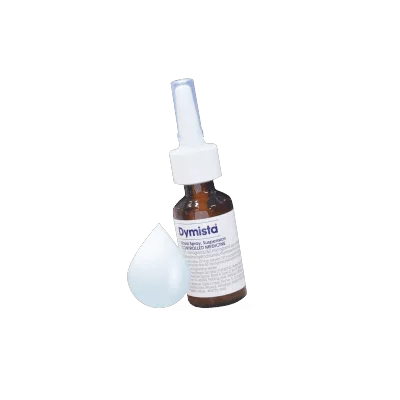
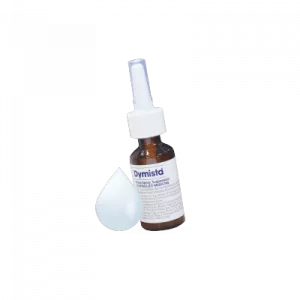
Dymista is a prescription nasal spray for allergic rhinitis. It is used when nasal allergy symptoms are not well controlled with a single spray. It combines an antihistamine and a corticosteroid to help reduce sneezing, itching, runny nose, and congestion.
Dymista is a nasal spray that combines azelastine and fluticasone propionate for allergic rhinitis symptom control. It is used in people whose nasal allergy symptoms are not well controlled with a single-ingredient spray. The dual action targets both histamine-driven symptoms and ongoing nasal inflammation to reduce sneezing, itching, runny nose, and congestion. [1]
Dymista is a combination treatment for allergic rhinitis (seasonal or perennial), given as a nasal spray. It pairs an intranasal antihistamine with an intranasal corticosteroid, so it can cover “fast allergy” symptoms (like sneezing and itching) and “blocked nose” symptoms driven by swelling inside the nose.
In clinic, Dymista is often chosen when a steroid nasal spray alone improves congestion but leaves itching or sneezing behind, or when an antihistamine spray alone helps quickly and does not keep inflammation quiet through the day.
It’s still a nasal medicine, not a tablet. The benefit comes from consistent intranasal use and correct technique.
Dymista contains azelastine hydrochloride (an intranasal antihistamine) and fluticasone propionate (an intranasal corticosteroid). Azelastine is also metabolized to desmethylazelastine, an active metabolite that contributes to the antihistamine effect.
Use Dymista exactly as prescribed for you. Technique errors are a top reason people decide a spray “doesn’t work”.
A practical, pharmacist-style routine looks like this:
Three short truths help results. The spray must hit the lining. Sniffing hard wastes the dose. Aiming at the septum causes bleeding.
Dymista is a combination treatment for allergic rhinitis (seasonal or perennial). It is used when symptoms are not adequately controlled with a single-ingredient nasal spray, especially when both allergy symptoms and nasal congestion are present.
Dymista is best understood by mechanism: it combines Azelastine + Fluticasone Propionate in one nasal preparation, so it addresses both histamine signaling and inflammatory swelling.
Here is the practical comparison by category:
| Option | Main mechanism | Symptom coverage |
|---|---|---|
| Dymista | Intranasal antihistamine + intranasal corticosteroid | Broad: itch/sneeze/runny nose + congestion |
| Antihistamine-only nasal spray | Histamine blockade | Fast for itch/sneeze/runny nose; weaker for congestion |
| Corticosteroid-only nasal spray | Anti-inflammatory | Strong for congestion and inflammation; may feel slower on itch/sneeze |
Where each tends to fit:
A limitation is that the combination can bring sensory side effects like taste disturbance, and some people feel mildly sedated.
This medication is not for you if you have a known hypersensitivity to azelastine, fluticasone propionate, or any component of the spray.
Extra caution or avoidance may apply in these scenarios (a prescriber typically decides case-by-case):
Dymista may not be a good fit if you have a sensitive nose, recent nasal surgery, frequent bleeding, or eye disease that needs steroid caution. It also needs careful review if you have signs of infection or persistent discoloured discharge rather than typical allergy symptoms.
Dymista is used in the nose, yet it can still cause local steroid effects and antihistamine-related effects in some people.
More common side effects
Less common but important
Practical management that often helps:
If side effects are persistent, clinicians often adjust technique first before changing the medicine, because small changes can make a big difference.
Most “it didn’t work” stories are technique problems, timing problems, or wrong expectations.
Common pitfalls I see:
A small behavioural trick works: link dosing to brushing your teeth morning and night, then it becomes automatic.
Dymista is a prescription-only medicine. MOHAP-regulated prescribing and dispensing in the UAE helps ensure the diagnosis is correct (allergic rhinitis vs sinus infection vs non-allergic rhinitis) and that the treatment plan matches your age, symptom severity, and other medicines you use. [3]
Doctors think of allergic rhinitis as a “two-track” problem: histamine causes the rapid itch/sneeze/runny nose cycle, while inflammation drives the persistent blocked nose and post-nasal drip. A combination intranasal antihistamine + intranasal corticosteroid is often used when symptoms disrupt sleep, work, or asthma control.
In prescribing patterns I’ve seen, three points come up often:
If you also have asthma, controlling upper-airway inflammation can help control symptoms, but Dymista is not an asthma medicine.
Relief can begin quickly for itch, sneezing, and runny nose because azelastine is an intranasal antihistamine, while congestion relief often builds over several days due to fluticasone’s anti-inflammatory effect. EMA product information for azelastine/fluticasone combination nasal sprays describes this dual time-course across symptoms. People often judge it too early if they only track congestion on day one. Reference point: EMA SmPC texts used for EU-authorised products in this class. [5]
Clinicians commonly use intranasal corticosteroids for longer stretches in perennial allergic rhinitis, with periodic review of symptom control and local side effects. The goal is the lowest regimen that keeps sleep and daytime function stable. MOHAP’s general prescribing principles for controlled medicines and chronic therapies in the UAE emphasise follow-up and appropriate duration. If you develop persistent crusting or frequent nosebleeds, the plan usually needs adjustment.
If you miss a dose, take the next dose at the usual time and avoid doubling sprays to “catch up.” Doubling increases local irritation and taste issues and does not reliably improve control that same day. WHO medication adherence guidance for chronic conditions supports simple routines that reduce missed doses and avoid compensatory overuse. If you miss doses repeatedly, linking it to a fixed daily habit often helps.
Saline sprays or rinses can be used alongside Dymista, but spacing them out helps keep the medicine on the nasal lining rather than washing it away. Using two steroid nasal sprays together is rarely needed and can raise side effect risk. EMA safety information for intranasal corticosteroids highlights local adverse effects like epistaxis and irritation, which can worsen with cumulative exposure. If you also use decongestant sprays, keep in mind those are not meant for prolonged use due to rebound congestion.
Azelastine can cause mild drowsiness in some people, even when used intranasally, so it’s smart to assess your response on the first days before long drives. If you feel sedated, shifting dosing times earlier in the evening and avoiding alcohol can reduce the impact. WHO advice on medicine-related impairment stresses recognising individual variability rather than assuming everyone reacts the same way. Persistent sedation is a reason to review therapy choice.
سيتم تغليف طلبك بشكل آمن وشحنه خلال 24 ساعة. هذا هو الشكل الذي ستبدو عليه طردك بالضبط (صور لمنتج فعلي تم إرساله). له حجم ومظهر رسالة خاصة عادية (9.4×4.3×0.3 بوصة أو 24×11×0.7 سم) ولا يمكن رؤية محتوياته.