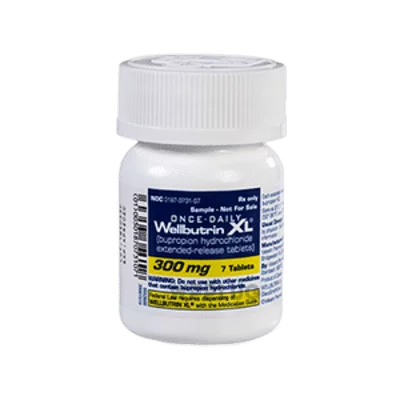
Wellbutrin is an antidepressant containing bupropion hydrochloride. It is for adults being treated for major depressive disorder or to support smoking cessation. It works by increasing norepinephrine and dopamine activity to help mood, drive, and cravings.
Description
Wellbutrin is an antidepressant from the broader family of antidepressants, used mainly for Depression (major depressive disorder) and as an aid in smoking cessation. In day-to-day prescribing, it is often chosen when a patient wants an option with a lower chance of sexual side effects or weight gain than many SSRIs, while accepting that it can feel more “activating” early on.
You may see the extended-release concept described as WELLBUTRIN XL 24 HOUR, which reflects a once-daily release pattern designed to keep blood levels steadier across the day.
A practical way to think about it is simple: for depression it targets mood and drive; for smoking cessation it targets cravings and withdrawal patterns.
If your goal is smoking cessation, set expectations early: the first week can feel mentally “noisy” (restlessness, lighter sleep), even when cravings start dropping. Planning sleep hygiene and caffeine limits before starting helps.
Composition
Wellbutrin contains bupropion hydrochloride (also written as Bupropion HCl). This is the generic name of the active ingredient responsible for the antidepressant and smoking cessation effects. Pharmacologically, bupropion is classified as an NDRI (norepinephrine–dopamine reuptake inhibitor), which explains why it can feel more energising than many serotonin-led options.
From a safety viewpoint, bupropion hydrochloride is also the reason the medication has a clear seizure-risk ceiling, and why dose timing and tablet integrity matter.
One-sentence reality check: this drug can help drive and motivation. It can also raise anxiety in some people.
Dosage and usage
Wellbutrin is available as modified-release tablets designed to control how quickly bupropion is released over the day. This can reduce peak-related side effects for some patients and supports once-daily or twice-daily routines.
A key limitation is mechanical: modified-release tablets must keep their release design intact.
Do not crush, split, or chew Wellbutrin modified-release tablets. Breaking the release design can release the dose too quickly and can raise seizure risk.
How it works
Route: Oral (swallow tablets whole with water).
Major depressive disorder (adults):
Immediate-release: 100 mg twice daily; may increase to 100 mg three times daily.
Sustained-release: 150 mg once daily for 3 days, then 150 mg twice daily.
Extended-release: 150 mg once daily; may increase to 300 mg once daily.
Seasonal affective disorder (adults):
Extended-release: 150 mg once daily; may increase to 300 mg once daily. Continue through the season; taper to 150 mg once daily before stopping if directed.
Timing: Take in the morning; if taken twice daily, take the second dose in the early afternoon. Separate doses by at least 8 hours.
With food: May be taken with or without food; take with food if stomach upset occurs.
Maximum dose: Do not exceed 450 mg/day total bupropion from all sources.
Duration: Reassess benefit after several weeks; treatment often continues for months as prescribed.
Missed dose: Skip the missed dose and take the next dose at the scheduled time; do not double doses.
Indications
Wellbutrin, with the active ingredient bupropion hydrochloride, is an antidepressant medication prescribed for major depressive disorder and smoking cessation. It is used by adults who need mood support or help reducing nicotine cravings and withdrawal.
For major depressive disorder, Wellbutrin is used to improve mood, interest, and functional energy. In clinical practice, patients switching from SSRIs to Wellbutrin often describe a different “feel”: less emotional blunting for some, more activation for others. This is why prescribers often titrate slowly and ask about sleep, appetite, anxiety, and irritability during the first weeks.
Benefits people value most:
Lower chance of sexual dysfunction than many SSRIs
Less weight gain than many antidepressants (some people even lose weight)
Helpful when depression includes fatigue and poor concentration
Limitations to keep in mind:
It can worsen anxiety at first
It can aggravate insomnia if taken late
It is not appropriate for anyone with certain seizure-risk conditions (covered below)
A short, complete sentence: progress is usually gradual. Another complete short sentence: early side effects can fade.
Wellbutrin is also used as a medication aid for smoking cessation, helping reduce cravings and nicotine withdrawal symptoms. Clinically, people often say the “edge” comes off cravings first, then the habit loop becomes easier to break with routine changes. Because bupropion hydrochloride influences dopamine and norepinephrine pathways linked to reward and focus, it can reduce the urge-to-smoke spikes that show up during stress, coffee breaks, or after meals.
One human detail many patients appreciate learning early: cravings can still appear, but they feel less “commanding.” That difference is often what makes behavioural strategies workable.
If you are using nicotine replacement (patch/gum) alongside bupropion, clinicians often watch blood pressure more closely, since the combination can raise it in some people.
Comparison
Wellbutrin works in the brain by reducing reuptake (re-absorption) of key neurotransmitters, so more of them remain active between nerve cells. Bupropion hydrochloride is considered a weak inhibitor of neuronal uptake of norepinephrine, a weak inhibitor of neuronal uptake of dopamine, and it has a weaker effect on serotonin compared with SSRIs; in smoking cessation, its benefit is presumed to be mediated by noradrenergic actions and dopaminergic actions that reduce craving-reward cycling. This difference from serotonin-heavy antidepressants is one reason some patients experience fewer sexual side effects, while still getting meaningful mood improvement.
For major depressive disorder, Wellbutrin is used to improve mood, interest, and functional energy. In clinical practice, patients switching from SSRIs to Wellbutrin often describe a different “feel”: less emotional blunting for some, more activation for others. This is why prescribers often titrate slowly and ask about sleep, appetite, anxiety, and irritability during the first weeks.
Benefits people value most:
Lower chance of sexual dysfunction than many SSRIs
Less weight gain than many antidepressants (some people even lose weight)
Helpful when depression includes fatigue and poor concentration
Contraindications
Seizure disorder / epilepsy
Current or past bulimia
Current or past anorexia nervosa
Concomitant use of monoamine oxidase (MAO) inhibitors (or recent use)
Concomitant use of another bupropion-containing medicine
Recent withdrawal from alcohol
Recent withdrawal from benzodiazepines
Severe liver dysfunction
When this is not for you
Avoid Wellbutrin if you have a history of seizures, eating disorders such as bulimia or anorexia, or if you are stopping alcohol or benzodiazepines suddenly, because these can raise seizure risk. Do not use it if you take an MAO inhibitor or any other medicine that already contains bupropion. Extra caution is needed if you have severe liver problems, since the drug can build up in the body.
Side effects
Most side effects are dose-related and tend to cluster in the first few weeks. The common ones patients describe are:
Dry mouth
Insomnia or lighter sleep
Headache
Nausea or reduced appetite
Tremor or feeling “wired”
Increased sweating
Serious reactions need prompt medical attention. These include seizure, severe allergic reactions (rash with swelling or breathing trouble), and significant mood or behaviour changes such as agitation, impulsivity, or suicidal thoughts, especially early in treatment or after a dose change.
One pharmacy-level nuance: bupropion can trigger a false-positive amphetamine result on some urine drug screens. If your workplace uses screening, keep documentation of your prescription.
Common mistakes
Mistakes are usually practical, not intentional. These are the ones that most often lead to poor outcomes or unnecessary side effects:
Crushing or splitting modified-release tablets, which can release the dose too fast and raise seizure risk.
Taking the dose late in the day, then blaming the medication for insomnia while the timing is the real issue.
Doubling a dose after a missed dose, which increases side effects and seizure risk.
Adding heavy caffeine to “boost energy,” then feeling shaky, anxious, and unable to sleep.
Stopping abruptly after 7–10 days because of early dry mouth or restlessness, before the antidepressant benefit has time to build.
Frequently asked questions
How long does Wellbutrin take to work for depression?
Many people notice early changes in energy, concentration, or sleep within 1–2 weeks, while mood improvement usually takes longer. Clinicians often assess meaningful antidepressant response at about 4–6 weeks at a stable dose, since early side effects can arrive before benefits. If symptoms worsen early (agitation, suicidal thoughts), treatment should be reassessed promptly. This timing aligns with how antidepressants are evaluated in international clinical guidance used in 2026 practice, including WHO-informed frameworks for depression management.
Can Wellbutrin cause weight gain or sexual side effects?
Compared with many SSRIs, Wellbutrin is associated with less sexual dysfunction and less weight gain for many patients. Some people experience reduced appetite or mild weight loss, especially early on. A smaller group feels more anxious or has insomnia, which can indirectly affect weight and libido. EMA safety reviews for bupropion-class products highlight activation-type effects (sleep, appetite, agitation) as common discussion points during initiation [4].
Is Wellbutrin habit-forming?
Wellbutrin is not an opioid, benzodiazepine, or stimulant, and it is not classed as physically addictive in the way those drugs can be. Still, stopping suddenly can feel uncomfortable for some people because sleep, mood, and irritability can rebound, and nicotine cravings may return if used for smoking cessation. Prescribers often reduce dose gradually when stopping, tailored to symptom return rather than a fixed schedule. MOHAP-aligned medication safety practice in 2026 emphasizes planned dose changes instead of abrupt self-adjustment for psychotropic medicines.
What should I do if I miss a dose?
If you miss a dose, take the next dose at the usual scheduled time rather than doubling up. Doubling increases the risk of side effects like nausea, tremor, agitation, and seizures. If missed doses happen often, it usually means the dosing time does not fit your routine, and moving it earlier may help adherence. This approach matches standard safety advice in EMA-regulated product guidance for bupropion hydrochloride [5].
Can I drink alcohol while taking Wellbutrin?
Alcohol can increase the chance of mood swings and can raise seizure risk, especially with heavy use or abrupt stopping after regular drinking. Some people also report stronger hangover anxiety while on bupropion, which can be mistaken for worsening depression. A practical clinical goal is stable, low intake rather than binge patterns. WHO guidance on substance use and mental health in 2026 supports screening alcohol patterns when prescribing antidepressants, since alcohol can undermine response and safety.
Does Wellbutrin help with anxiety?
Wellbutrin is not usually a first-choice treatment for primary anxiety disorders, and some people feel more anxious in the first weeks. When depression and anxiety occur together, clinicians sometimes still choose it, then manage the activation effect by dose timing, slower titration, and sleep support strategies. If panic symptoms intensify, prescribers often reconsider the plan rather than pushing through. NICE guidance used in current practice (2026) positions antidepressant choice around symptom profile, comorbidity, and tolerability rather than a one-drug-fits-all model.
Do you offer anonymous delivery?
Your order will be securely packed and shipped within 24 hours. This is exactly what your package will look like (images of an actual item sent). It has the size and look of a regular private letter (24x11x0.7 cm) and its contents cannot be seen.
The first two weeks were rough for sleep and I felt more talkative and restless. By week five my mood felt steadier and I stopped napping every afternoon. Dry mouth stayed but was manageable with water and sugar-free gum.
8 Nov 2024
O
Omar, 41
Abu Dhabi
3 months
Verified
Rating: 4.5 out of 5
I used Wellbutrin mainly to stop smoking after multiple failed attempts. Cravings did not disappear, but they were quieter, and I made it past the first month without relapsing. I got mild headaches early on, then they faded.
20 Oct 2024
S
Sara, 29
Sharjah
4 weeks
Verified
Rating: 3.5 out of 5
My focus improved fast, but the anxiety spike was real in the first week and coffee made it worse. Moving the dose earlier helped sleep, yet I still felt a bit edgy by evening. I stayed on it because mood was improving, but I needed follow-up.
15 Nov 2024
K
Khalid, 46
Dubai
6 months
Verified
Rating: 4 out of 5
SSRIs affected my libido before, and this option was better for that. I did notice appetite went down and I lost a little weight without trying. When I missed a dose and tried to catch up, I felt shaky, so I stopped doing that.
5 Nov 2024
Sources
World Health Organization (WHO) (2026). Guidance on the management of depression and tobacco dependence in primary care settings.
MOHAP (Ministry of Health and Prevention) (2026). Medication safety guidance for prescribing and monitoring psychotropic medicines.
European Medicines Agency (EMA) (2026). Bupropion hydrochloride: summary of product characteristics and safety information.
European Medicines Agency (EMA) (2026). Bupropion hydrochloride: safety review on activation, sleep, appetite, and psychiatric effects.
European Medicines Agency (EMA) (2026). Bupropion hydrochloride: product guidance on missed doses, dosing schedules, and contraindications.