

Zoloft
5 customer reviewsZoloft is a brand-name SSRI antidepressant containing sertraline. It is for adults being treated for depression or anxiety-related conditions. It works by increasing serotonin activity in the brain to support steadier mood and fewer intrusive anxiety symptoms.
What is it?
Zoloft is the brand name for sertraline, a medicine from the SSRI (selective serotonin reuptake inhibitors) class. In practical terms, SSRIs help keep more serotonin available between nerve cells, so brain circuits involved in mood, fear, and stress reactivity can “reset” over time.
Serotonin is a neurotransmitter linked with emotional stability, sleep, appetite, and anxiety signalling. Sertraline works by reducing serotonin reuptake into the neuron, which increases serotonin levels in the synaptic gap. This is why Zoloft is used for both depression and anxiety disorders, not only one or the other [1].
Composition
Active ingredient: sertraline (as sertraline hydrochloride) in film‑coated tablets. Excipients typically include tablet fillers/binders, disintegrants, and coating agents (e.g., cellulose derivatives, starches, silica, magnesium stearate and film‑coat polymers).
How to use?
One limitation to know early: Zoloft can help the core disorder, but the first 1–2 weeks may feel “messy” because sleep and appetite can shift before mood improves.
Do not crush or chew the tablet. The taste is unpleasant, and crushing makes dosing more error-prone.
Stopping antidepressants is easiest when dose changes are gradual. Abrupt discontinuation can lead to withdrawal symptoms that feel like a flu-like illness plus sensory symptoms.
Symptoms people describe after a fast stop can include:
- Dizziness, nausea, sweating
- Vivid dreams, sleep disruption
- Irritability and anxiety rebound
- Electric-shock sensations (“brain zaps”)
A slow taper reduces the intensity for most patients. If symptoms appear during tapering, clinicians often pause at the current dose for longer rather than pushing through.
How does it work?
- Route: oral (swallow tablets with water)
- Starting dose: 25–50 mg once daily
- Titration: increase by 25–50 mg at intervals of ≥1 week based on response/tolerability
- Usual effective dose: 50–200 mg once daily
- Maximum dose: 200 mg/day
- Timing: take once daily in the morning or evening, with or without food
- Duration: long-term treatment as prescribed; reassess regularly and taper gradually when stopping
Indications
Zoloft is prescribed as an antidepressant for mood and anxiety conditions where serotonin pathways are part of the symptom pattern. In clinic, it is often chosen when symptoms include anxious rumination, panic sensations, or physical anxiety (tight chest, GI upset) alongside low mood.
Common reasons doctors prescribe Zoloft include:
- Major depressive disorder (MDD) as part of depression management
- Panic disorder (panic attacks with or without agoraphobia)
- Obsessive-compulsive disorder (OCD)
- Post-traumatic stress disorder (PTSD)
- Social anxiety disorder (social phobia)
Comparison
Zoloft sits in the same SSRI class as fluoxetine (Prozac), paroxetine (Paxil), fluvoxamine (Luvox), and escitalopram (Lexapro). The differences that matter most in real life are half-life (how long the drug stays in the body), likelihood of sedation, and how rough discontinuation feels.
| SSRI | What it’s often chosen for | Practical difference patients notice |
|---|---|---|
| Zoloft (sertraline) | Depression + broad anxiety coverage | GI side effects can be front-loaded; tends to be neutral on sedation for many |
| Fluoxetine (Prozac) | Depression, some anxiety profiles | Long half-life; missed doses are less disruptive for some |
| Paroxetine (Paxil) | Anxiety with insomnia in some cases | More anticholinergic effects; discontinuation can feel sharper |
| Fluvoxamine (Luvox) | OCD focus | Interaction profile can be more complex |
| Escitalopram (Lexapro) | Depression and generalised anxiety | Often perceived as “clean” tolerability; can still cause sexual side effects |
No SSRI is “best” for everyone. If your main issue is panic with strong body symptoms, sertraline is commonly used; if discontinuation sensitivity is a top concern, fluoxetine’s long half-life sometimes helps.
Contraindications
- Hypersensitivity/allergy to sertraline or tablet ingredients
- Concomitant use of monoamine oxidase inhibitors (MAOIs) or use within the last 14 days
- Concomitant use of linezolid
- Concomitant use of intravenous methylene blue
Not recommended for
Avoid Zoloft if you have ever had an allergic reaction to sertraline or the tablet ingredients. Do not take it if you are taking an MAOI, or if you have taken one in the last 14 days, because the combination can cause dangerous serotonin toxicity. Tell your prescriber before starting if you are on linezolid or IV methylene blue, since these can act like MAOIs. If you are breastfeeding, discuss risks and benefits with your clinician because infant exposure through milk may be a concern.
Side effects
Side effects with Zoloft tend to cluster into stomach-related effects, sleep changes, sweating, and sexual side effects. Many are dose-related and improve after the body adapts.
Common side effects people report:
- Nausea, loose stools, reduced appetite
- Headache
- Increased sweating, sometimes at night
- Insomnia or sleepiness, depending on the person
- Sexual side effects (lower libido, delayed orgasm)
Serious risks are less common but need clear recognition.
Serotonin Syndrome
Serotonin syndrome is a toxic excess of serotonin activity (5-HT) that can occur when sertraline is combined with other serotonin-raising medicines. Warning signs include agitation, confusion, fever, heavy sweating, tremor, diarrhoea, muscle rigidity, and a fast heartbeat. This is treated as urgent because symptoms can escalate quickly, and clinical guidance focuses on monitoring for signs and symptoms of serotonin syndrome when serotonergic drugs are combined [5].
Common mistakes
Most problems I see with Zoloft are not rare side effects; they are avoidable usage errors.
Mistakes that often lead to poor outcomes:
- Stopping after 7–10 days because mood did not improve yet, when antidepressant benefit usually needs weeks of consistent dosing.
- Doubling a dose after missing one, which increases nausea, tremor, and insomnia risk.
- Mixing in serotonin-raising meds (tramadol, migraine triptans, St John’s wort) without flagging it, which raises serotonin syndrome risk.
- Changing dose every few days based on “good days” and “bad days,” which can keep side effects going.
- Drinking heavily to “take the edge off,” which often worsens sleep architecture and next-day anxiety.
Doctor opinions
In prescribing practice, clinicians often describe sertraline as a “workhorse SSRI” because it covers both depression and multiple anxiety disorders without being strongly sedating for most people. A pattern doctors see: early side effects (GI upset, jittery feeling, sweating) often peak in the first week, then settle by weeks two to three if the dose stays stable.
Another real-world observation: people with panic disorder sometimes interpret early activation (mild restlessness, faster heartbeat) as a sign the medicine is “wrong.” It can be the opposite. Those sensations can be a transient SSRI start-up effect, and slow titration is a common fix.
A third nuance clinicians screen for is bipolar disorder risk. If someone has a personal or family history of mania, hypomania, or bipolar disorder, an antidepressant alone can destabilise mood and trigger an elevated or irritable state, so the plan is usually different [3].
Frequently asked questions
How long does Zoloft take to work?
Most people notice early changes in sleep, appetite, or anxiety within 1–2 weeks, while mood and motivation often take longer. Clinical guidance and trial data reviewed by regulators describe antidepressant response as a weeks-long process, with reassessment commonly done around 4–6 weeks at a stable dose . If there is partial response, dose adjustment or more time at the same dose can be considered. If symptoms worsen sharply, clinicians reassess sooner.
Can Zoloft cause weight gain or weight loss?
Both can happen. Early in treatment some people eat less because of nausea, while later appetite can return and lead to gradual weight gain if routines slip. The pattern is individual, and it is shaped by sleep, activity, and whether depression-related overeating improves or returns. In clinical practice, weight monitoring is usually treated as part of the follow-up plan, not an afterthought, and WHO materials on depression care emphasise tracking functional outcomes like sleep and daily activity alongside symptoms .
Can I drink alcohol while taking Zoloft?
Alcohol can blunt mood improvement and can worsen anxiety the next day, even if it feels calming in the moment. It also disrupts sleep depth, which is one of the fastest ways to trigger relapse in anxiety disorders. Regulators and clinical guidelines routinely flag alcohol as a factor that can complicate antidepressant treatment response, even when there is no “toxic” interaction in the narrow sense . If alcohol use is regular or heavy, prescribers often adjust the plan.
What Are the Warning Signs of Serotonin Syndrome?
Think of a cluster: mental status change (agitation, confusion), autonomic symptoms (fever, heavy sweating, fast heart rate), and neuromuscular signs (tremor, rigidity, overactive reflexes). Diarrhoea and shivering can be part of it too. This risk rises when Zoloft is combined with other serotonergic drugs, or with MAOIs, linezolid, or methylene blue . Treatment is urgent because symptoms can escalate quickly.
Is Zoloft Suitable if I Have Bipolar Disorder in My Family?
Family history of bipolar disorder, mania, or hypomania is a reason to slow down and assess carefully before starting an SSRI. Antidepressants can precipitate mood switching in susceptible people, showing up as reduced need for sleep, racing thoughts, impulsive spending, or agitation that feels “wired” rather than simply less depressed. EMA-referenced safety materials and many psychiatric guidelines advise screening for bipolar features before initiating antidepressant monotherapy . If bipolar risk is present, clinicians may add a mood stabiliser or choose a different strategy.
Are There Books or Guides That Can Help Me Understand Life on Antidepressants?
Some readers like narrative accounts that describe the lived experience of treatment, expectations, and trade-offs. Popular titles include Coming of Age on Zoloft: How Antidepressants Cheered Us Up, Let Us Down, and Changed Who We Are and the guide-style Avon Books Zoloft, Paxil, Luvox And Prozac:: All New Information To Help You Choose The Right A. These are not clinical guidelines, yet they can help you put side effects, stigma, and adjustment periods into context. For medical decision-making, pair any book reading with evidence-based sources like regulator documents and guideline summaries .
Do you offer anonymous delivery?
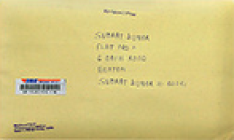 Front view
 Side view
 Back view
Your order will be securely packed and shipped within 24 hours. This is exactly what your package will look like (images of an actual item sent). It has the size and look of a regular private letter (9.4x4.3x0.3 in. or 24x11x0.7 cm) and its contents cannot be seen.
Zoloft — Comparison with alternatives
Zoloft Current Best price

Anafranil

Pristiq

Paxil

Sinequan Best rated
Reviews and Experiences
Sources
- World Health Organization (WHO) (2026). Depression: key facts and evidence-based treatment approaches. ↑
- MOHAP (Ministry of Health and Prevention) (2026). Patient medication guidance: safe use of antidepressants and interaction screening. ↑
- European Medicines Agency (EMA) (2026). Selective serotonin reuptake inhibitors (SSRIs): class safety overview and monitoring advice. ↑
- European Medicines Agency (EMA) (2025). Sertraline: assessment guidance for use in pregnancy and perinatal considerations. ↑
- World Health Organization (WHO) (2025). Clinical safety guidance on serotonin toxicity and serotonergic drug combinations. ↑
