Verified
Week one was rough with nausea and dry mouth, and I slept badly. By week four my mood felt less heavy and I got back to work routines. The sweating was annoying outdoors, but manageable.
18 Nov 2024


Pristiq is an SNRI antidepressant containing desvenlafaxine. It is for adults being treated for major depressive disorder. It helps by increasing serotonin and norepinephrine signaling in the brain to support mood regulation.
Pristiq is an antidepressant medication in the serotonin-norepinephrine reuptake inhibitors (SNRIs) group. Its main approved use is the treatment of Major Depressive Disorder (MDD) in adults. In day-to-day care, SNRIs are often chosen when depression is linked with low energy, slowed thinking, or physical symptoms like aches alongside mood symptoms.
Pristiq is not a “fast-acting” mood booster. It builds benefit over time. Daily consistency matters.
Pristiq contains desvenlafaxine (as desvenlafaxine succinate) as the active substance. It is supplied as oral prolonged-release tablets in various strengths, with standard tablet excipients used to form and control extended release.
Missing a dose happens. If you remember later the same day, take it then; if it’s close to the next dose, skip the missed dose and return to your routine. Doubling up raises side-effect risk without improving results.
A practical note many people only learn late: extended-release tablets can feel “stuck” if swallowed dry. A full glass of water and staying upright for 10 minutes reduces that sensation.
Pristiq is prescribed for the treatment of Major Depressive Disorder (MDD) in adults. Clinicians typically consider it when persistent low mood, loss of interest, sleep and appetite changes, fatigue, or difficulty concentrating interfere with daily functioning.
The decision to start, continue, or change therapy rests with your prescriber after assessing symptom severity, history, and blood pressure.
People often compare Pristiq (desvenlafaxine) with SSRIs and other SNRIs. The best choice depends on symptom profile, past response, side-effect tolerance, and comorbid anxiety or pain.
| Option | How it compares to Pristiq | When it may be preferred |
|---|---|---|
| SSRIs (fluoxetine/Prozac, sertraline/Zoloft, escitalopram/Lexapro) | More serotonin-selective than an SNRI | Often first-line when anxiety is dominant or when blood pressure elevation is a concern |
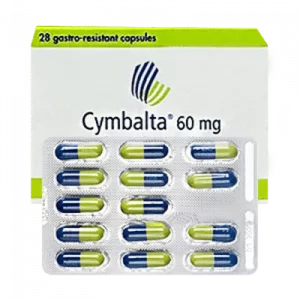
| SNRIs (venlafaxine, duloxetine/Cymbalta) | Similar dual-action class; desvenlafaxine is linked to venlafaxine as its active metabolite | Duloxetine is often chosen when chronic pain coexists with depression; venlafaxine is commonly used across anxiety disorders too |
Pristiq’s main practical advantage is the once-daily extended-release routine that many patients find easy to stick to. A real limitation is that some people feel activation (restlessness, insomnia) early, and those sensitive to blood pressure changes may do better with a more serotonin-selective option.
Pristiq may not be a good fit if you:
Side effects are most common in the first 1–2 weeks, then many fade as the nervous system adapts. The most frequently reported effects with desvenlafaxine include nausea, dizziness, dry mouth, increased sweating, decreased appetite, headache, insomnia or sleepiness, and increased blood pressure. EMA safety reviews for SNRIs support this overall pattern of early tolerability effects plus a need to monitor blood pressure and rare serious reactions. [2]
Common side effects people mention in real life:
Serious effects are less common, but you should recognize them:
One small insider detail: blood pressure spikes are sometimes missed because patients only check it when they feel anxious, which itself can raise readings. A few calm readings over several days tells a truer story than one stressed measurement.
People make very predictable errors with SNRIs, and fixing them often improves tolerability.
Many people feel small changes first (sleep, anxiety, appetite) within 1–2 weeks, while mood and motivation often take 2–6 weeks. Early side effects can show up before benefits, which can feel discouraging if you expect a rapid lift. A structured follow-up plan is standard practice, and MOHAP-aligned monitoring focuses on symptom change and safety during the early phase in 2026.
Weight change can go either way on SNRIs. Some people eat less early due to nausea or reduced appetite, then weight returns when appetite normalizes; others gain weight as depression improves and eating patterns shift. If weight change is significant, clinicians often first review sleep, alcohol intake, and other medicines rather than blaming Pristiq alone. WHO discussions on antidepressant use in 2026 emphasize tracking functional outcomes like sleep and activity alongside weight.
Sexual dysfunction can occur with Pristiq, including lowered libido or delayed orgasm. Some patients report fewer sexual side effects than with an SSRI, while others notice no improvement. If this matters to you, prescribers can sometimes adjust timing, address contributing factors like anxiety, or consider switching strategies. EMA safety information for serotonergic antidepressants includes sexual side effects as a recognized class effect.
Alcohol can worsen depression and sleep quality, and it can increase dizziness or sedation when combined with antidepressants. Even if you tolerate occasional drinking, it can blur whether Pristiq is helping because mood and energy become harder to interpret week to week. Many clinicians suggest avoiding alcohol during the first month, then reassessing based on response and side effects. Interaction cautions are also stronger when other CNS drugs are present.
In the early weeks, watch for new or worsening agitation, insomnia, irritability, impulsivity, or suicidal thoughts, since risk can rise during initiation or dose changes. Track blood pressure if you have a history of hypertension or headaches, because SNRIs can raise it. Also watch for serotonin syndrome symptoms if you take other serotonergic medicines. EMA and MOHAP safety frameworks both emphasize early monitoring and rapid review if red flags appear.
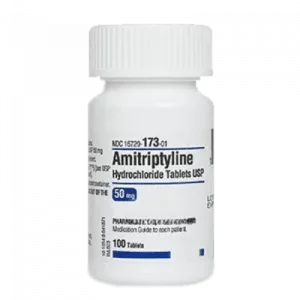
Combining antidepressants is sometimes done by specialists, yet it increases interaction risk and needs a clear rationale. Combinations with SSRIs (like sertraline/Zoloft or fluoxetine/Prozac), TCAs (like amitriptyline), or serotonergic agents (like trazodone/Desyrel) can raise the chance of serotonin syndrome. MAOIs (like phenelzine/Nardil or tranylcypromine/Parnate) are contraindicated with Pristiq, and washout timing is essential. These rules are consistent with WHO medication-safety principles and established interaction warnings.
Your order will be securely packed and shipped within 24 hours. This is exactly what your package will look like (images of an actual item sent). It has the size and look of a regular private letter (24x11x0.7 cm) and its contents cannot be seen.