

Renalka
5 customer reviewsRenalka is a herbal oral syrup containing Punarnava (Boerhavia diffusa). It is for adults with mild urinary irritation, burning on urination, or frequent urination. It helps soothe urinary mucosa and supports urine flow to help flush irritants.
What is it?
Renalka is a herbal oral syrup used to support urinary tract comfort and day-to-day kidney and bladder function. It is suited to adults who experience urinary irritation, burning while urinating, or frequent urination linked to mild urinary disorders. The formula aims to soothe inflamed urinary mucosa and support urine flow, helping the body flush irritants.
Composition
Renalka syrup’s key ingredient is Punarnava (Boerhavia diffusa), an Ayurvedic herb traditionally used to support fluid balance and urinary tract comfort. Modern reviews describe Punarnava as having diuretic and anti-inflammatory potential, which fits with how patients use Renalka for burning and irritation episodes [2].
How to use?
Renalka is taken by mouth, usually after meals.
Typical dosing used in adult practice:
- Adults: 5–10 mL (1–2 teaspoons) 2–3 times daily, after meals
- Children under 12: dosing should be set by a clinician; commonly about half the adult dose is used when advised
Duration commonly depends on the symptom pattern. Short courses are used for flare-ups, while longer courses are used for recurrent irritation support when a clinician has ruled out red flags.
If you miss a dose, take the next dose at the usual time. Do not double the next dose to “catch up”.
Doctors in primary care and urology clinics often frame herbal urinary products as symptom-support, not infection treatment. If symptoms are mild and there are no red flags, some clinicians allow a short trial alongside hydration, then reassess if symptoms persist beyond 48–72 hours.
How does it work?
- Route: Oral.
- Dose: 10 ml per dose.
- Frequency: 2 times daily.
- Timing: After meals (morning and evening).
- Duration: 2–4 weeks; reassess symptoms after 7–10 days.
Indications
It is usually used as supportive care for:
- Burning sensation during urination
- Urinary frequency and urgency
- Mild lower urinary tract discomfort (irritation, “stinging” feeling)
- Support during recovery from urinary upset, alongside hydration and clinician-directed care
Renalka is a supportive product, not an antibiotic. If fever, flank/back pain, vomiting, visible blood in urine, or pregnancy-related urinary symptoms are present, clinicians treat this as urgent because pyelonephritis and complicated UTI need medical assessment [1].
Comparison
Renalka syrup sits in the “supportive care” space for urinary comfort. It can be useful when symptoms are mild and you want a herbal approach, or as an add-on when a clinician is managing a recurrent pattern.
| Approach | How it compares to Renalka |
|---|---|
| Antibiotics for confirmed UTI | Antibiotics treat bacterial infection; Renalka supports comfort and urine flow but does not replace antibiotic therapy when infection is confirmed or complicated. |
| Urinary alkalinisers | Alkalinisers can reduce burning linked to acidic urine; Renalka focuses more on herbal anti-inflammatory and diuretic support. |
| Lifestyle measures | Hydration, timed voiding, and avoiding bladder irritants (very spicy foods, high caffeine) can work well with Renalka for symptom control. |
A real-world trade-off: symptom support can feel helpful quickly, but it can also mask a progressing infection. That is why clinicians set clear “if not better in 2–3 days” rules for follow-up.
Contraindications
- Known allergy or hypersensitivity to Renalka components
- Pregnancy or breastfeeding unless a clinician specifically advises use
- Children under 12 unless a clinician directs dosing
- Severe renal impairment or severe hepatic impairment
- Conditions requiring strict water–salt balance monitoring (for example, advanced heart failure on fluid restriction)
Drug-combination cautions to discuss with a clinician include concurrent prescription diuretics, lithium (levels can shift with changes in hydration), and medicines affected by dehydration.
Not recommended for
- Do not use it if you have ever had an allergic reaction to any of its herbal ingredients.
- Avoid self-treating if you are pregnant or breastfeeding unless your clinician has told you it is appropriate.
- It is not intended for children under 12 without clinician-directed dosing.
- Get medical advice first if you have serious kidney or liver problems, or if you must closely control fluid and salt intake.
- Speak to a clinician before combining it with water tablets, lithium, or other medicines where dehydration or extra urination could cause problems.
Side effects
Renalka is usually well tolerated, yet “herbal” still means biologically active. Side effects reported with products like Renalka are usually mild and self-limited, and they tend to show up in the first days.
Possible side effects include:
- Allergic reactions: itching, rash, redness, swelling
- Digestive upset: nausea, loose stools, abdominal discomfort
- Increased urination: sometimes felt as frequency or mild bladder discomfort
- Dizziness or weakness: can occur if fluid and electrolyte balance shifts in sensitive people
Stop use if you develop a rash or facial swelling. Seek urgent medical care for severe allergy symptoms.
Three practical precautions clinicians repeat:
- If you have severe kidney or liver impairment, use needs closer supervision because fluid/electrolyte shifts matter more.
- If you already take a diuretic for blood pressure or heart failure, Renalka may add to the “too much urine output” effect.
- If you are prone to kidney stones, persistent colicky pain needs medical evaluation; symptom relief alone can delay diagnosis.
Common mistakes
People get the best experience with Renalka when they avoid a few predictable traps.
- Using it to self-treat a “high-risk” UTI. Fever, flank pain, pregnancy, or male UTI symptoms need assessment; waiting can raise complication risk.
- Stopping hydration because the syrup is “doing the flushing.” Concentrated urine stings more; adequate water intake is part of symptom control.
- Mixing multiple “urinary flush” products at once. Stacking diuretic herbs can trigger dizziness, leg cramps, or palpitations in sensitive users.
- Taking doses too late. Night-time dosing can mean sleep disruption from frequent urination.
- Ignoring recurrent symptoms. If symptoms keep returning, clinicians often look for stones, bladder issues, uncontrolled glucose, or persistent infection.
Doctor opinions
Renalka is a supportive product, not an antibiotic. If fever, flank/back pain, vomiting, visible blood in urine, or pregnancy-related urinary symptoms are present, clinicians treat this as urgent because pyelonephritis and complicated UTI need medical assessment [1].
Frequently asked questions
Does Renalka treat a UTI?
Renalka is used to support urinary comfort and urine flow, which can help with burning and irritation. A bacterial UTI is treated with antibiotics when clinically indicated, based on symptoms and testing. WHO guidance in 2026 continues to stress appropriate diagnosis and antibiotic stewardship so infections are treated without unnecessary antibiotic use . If symptoms include fever, flank pain, or you feel systemically unwell, medical assessment is time-sensitive.
How fast does Renalka work for burning urination?
For mild irritation linked to concentrated urine or transient inflammation, people often feel some relief within 1–3 days when they also increase fluids. If symptoms stay the same beyond 48–72 hours, clinicians usually recommend urinalysis and sometimes culture. MOHAP clinical pathways used in UAE primary care focus on early testing when symptoms persist or recur in a short interval . Rapid recurrence can point to stones, persistent infection, or metabolic triggers.
Can I take Renalka with antibiotics?
Renalka is often used as supportive care alongside clinician-prescribed antibiotics to ease discomfort and support hydration routines. The main practical concern is additive GI upset or increased urination, which can feel more intense when you are already unwell. EMA pharmacovigilance advice in 2026 encourages reporting unexpected reactions from herb–drug combinations, even when the herb is used for “support” . Space doses after meals to reduce nausea.
Is Renalka suitable if I have chronic kidney disease?
People with chronic kidney disease need individualized advice because fluid balance and electrolytes can be fragile. Mild CKD may tolerate herbal urinary support, yet advanced CKD or unstable kidney function should be monitored closely when anything increases urine output. WHO medicine-safety materials in 2025–2026 emphasise extra caution in renal impairment with products that may change hydration status . If you are on fluid restriction, do not start without a clinician’s input.
Can Renalka be used during pregnancy or breastfeeding?
Pregnancy changes urinary tract anatomy and raises the risk of ascending infection, so clinicians keep a low threshold for testing and treatment. Renalka is generally avoided unless a clinician advises it, because safety data for many herbal blends in pregnancy is limited. WHO maternal health guidance highlights that urinary symptoms in pregnancy deserve prompt evaluation rather than self-management . Breastfeeding also warrants caution due to unknown transfer of certain herbal constituents.
What symptoms mean I should seek urgent care instead of self-managing?
Seek urgent assessment for fever, chills, vomiting, severe back/flank pain, confusion, inability to keep fluids down, or visible blood in urine. In men, new urinary burning can also require faster evaluation due to higher likelihood of complicated infection. MOHAP-aligned triage approaches used in UAE settings treat these as red flags rather than “wait and see” symptoms . Renalka can support comfort, yet it should not delay urgent care when red flags are present.
Do you offer anonymous delivery?
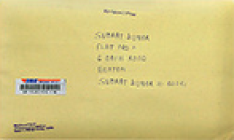 Front view
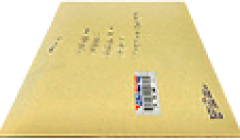 Side view
 Back view
Your order will be securely packed and shipped within 24 hours. This is exactly what your package will look like (images of an actual item sent). It has the size and look of a regular private letter (9.4x4.3x0.3 in. or 24x11x0.7 cm) and its contents cannot be seen.
Renalka — Comparison with alternatives
Renalka Current Best price Best rated

Prednisone

Ofev

Trusopt

Cytomel
Shelf life varies by batch and regulatory labeling, and it is set by stability testing standards used across the industry and recognized by WHO guidance on medicine quality and storage conditions [4].
Reviews and Experiences
Sources
- World Health Organization (WHO) (2026). Guidance on management of common infections and antimicrobial stewardship in primary care. ↑
- PubMed (2025). Boerhavia diffusa (Punarnava): pharmacology relevant to renal and urinary support—review of evidence. ↑
- MOHAP (Ministry of Health and Prevention) (2026). Primary care clinical guidance for assessment of urinary symptoms and suspected UTI. ↑
- World Health Organization (WHO) (2026). Good storage and distribution practices for medical products: guidance for maintaining quality. ↑
- European Medicines Agency (EMA) (2026). Pharmacovigilance guidance on reporting and evaluating suspected adverse reactions, including herb–drug interactions. ↑
