Verified
My neurologist started Mysoline slowly. Week one I felt sleepy after the evening dose, and I stopped driving at night for a bit. By week five my focal seizures were less frequent, and the ‘hangover’ feeling eased.
19 Jun 2025

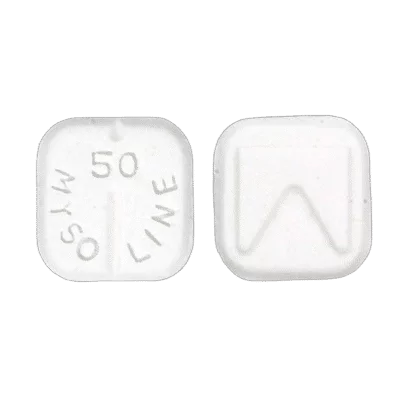
Mysoline is a primidone tablet used to help control epileptic seizures in adults and children. It is for people who need steadier seizure control on its own or with other seizure medicines. It works by calming excessive nerve activity in the brain.
Mysoline is a brand name for primidone, an antiepileptic (anticonvulsant) medicine used to prevent and control seizures. After you take primidone, the body converts part of it into active metabolites including phenobarbital and phenylethylmalonamide (PEMA), and these contribute to the antiseizure effect over time. This “parent drug + active metabolites” profile is one reason dosing is often adjusted slowly and carefully in clinical practice. [1]
Mysoline contains primidone as the active ingredient in tablet form. The tablets may also include standard excipients used for compression, stability, and dissolution. Primidone is an anticonvulsant that is converted in the body to phenobarbital and other active metabolites.
Mysoline is taken by mouth as a tablet with water. The exact dose and titration schedule are individualized, since seizure type, age, liver function, other seizure medications, and sedation sensitivity all influence the right regimen.
Mysoline is part of the antiepileptics / seizure medications group and is used to reduce seizure frequency and intensity as part of an individualized epilepsy treatment plan. It is commonly used for generalized tonic-clonic seizures and focal (partial) seizures, depending on the patient’s seizure type and previous response to other anticonvulsant therapies.
Mysoline’s primary role is epilepsy control. In neurology clinics, primidone is also used in selected patients for essential tremor (a rhythmic shaking that is not caused by Parkinson’s disease), usually when tremor interferes with daily tasks like writing or using utensils. This use is well established in treatment references and can be considered when the benefit-risk balance makes sense for the individual patient. [2]
Epilepsy treatment is individualized, and neurologists choose among several anticonvulsant classes based on seizure type, EEG findings, comorbidities, pregnancy plans, and interaction risk. Alternatives may include sodium channel blockers, GABA-enhancing drugs, SV2A ligands, and other modern antiepileptics; each class has its own trade-offs on sedation, mood, weight, and drug interactions.
| Option type | What tends to differ | Practical implication |
|---|---|---|
| Enzyme-inducing antiepileptics (includes primidone/phenobarbital family) | More drug–drug interactions | Extra care with warfarin, hormones, antivirals |
| Newer non–enzyme-inducing options | Fewer interactions in many cases | Often simpler with contraception and polypharmacy |
| Combination therapy | Better control in refractory epilepsy | Side effects can add up; titration needs patience |
Mysoline may not be a good fit if you are very sensitive to sleepiness, dizziness, or unsteadiness, since these effects can affect driving and safety at work. It also needs extra caution if you have mood changes, depression, or any thoughts of self-harm, because seizure medicines can sometimes affect behavior. If you are using hormonal contraception, this medicine can reduce its reliability and you should discuss protection with your prescriber.
Side effects tend to be strongest during initiation or dose increases, then often ease as tolerance develops. The most common complaints I hear are sedation-related, and they matter because they affect safety at work, on the road, and with stairs.
Common side effects reported with primidone include:
Serious side effects need fast clinical review:
These are the patterns that most often lead to poor seizure control or avoidable side effects:
Neurologists usually frame Mysoline as a “steady control” medicine: it can be very effective for the right seizure pattern, but it asks for patience during titration. In clinical practice, doctors often start low and increase slowly because the first dose that stops seizures is also the first dose that can cause troublesome sedation or imbalance.
Many clinicians also watch for a pattern: if a patient feels “foggy” or unsteady, the answer is not always to quit—sometimes it is changing the dosing schedule, adjusting other sedating medicines, or checking adherence timing. Doctors also tend to be strict about abrupt stopping, since rebound seizures can be dangerous even for people who have been seizure-free.
Your order will be securely packed and shipped within 24 hours. This is exactly what your package will look like (images of an actual item sent). It has the size and look of a regular private letter (24x11x0.7 cm) and its contents cannot be seen.



If a dose is missed, taking it late is often acceptable unless the next dose is due soon; doubling doses tends to cause more harm than benefit. The key aim is to return to stable daily dosing as quickly as possible, since fluctuating blood levels can destabilize seizure control. Many epilepsy services recommend setting reminders and linking doses to routine anchors (breakfast, dinner, bedtime). This approach is consistent with medication-safety messaging used in patient counselling materials. [5]
Pregnancy planning should be discussed early for anyone on antiepileptics, because both uncontrolled seizures and medicine exposure can affect outcomes. Primidone is associated with fetal risk signals through its barbiturate metabolite, so clinicians often reassess the regimen before conception and may adjust folate strategy and monitoring. Current regulator guidance stresses individualized risk–benefit assessment rather than a one-size rule.
Sleepiness is one of the most frequent early effects because primidone and phenobarbital depress central nervous system activity. Many patients do better after the body adapts, yet some continue to feel slowed thinking or reduced reaction speed, which matters for driving and safety-sensitive work. Dose timing adjustments (more at night) often help without changing the total daily dose. Safety sections for primidone-class medicines consistently flag sedation and impaired coordination as key counselling points.
