
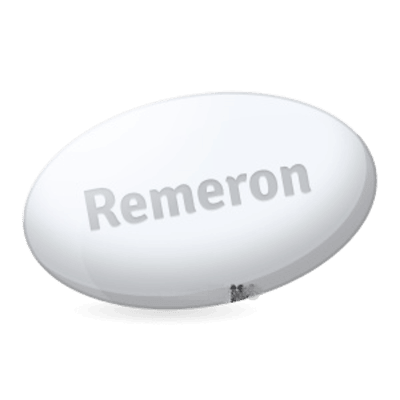
Remeron - Mirtazapine
4 customer reviewsRemeron is an antidepressant medicine containing mirtazapine. It is for adults being treated for major depressive disorder, especially when depression affects sleep or appetite. It works by increasing signalling of serotonin and norepinephrine in the brain to support mood and anxiety symptoms.
What is it?
Remeron, with the active ingredient mirtazapine, is an antidepressant medication used to treat major depressive disorder. It is used by adults who need relief from depression symptoms, especially when low mood comes with poor sleep or low appetite. Remeron works by increasing the brain’s signalling through serotonin and norepinephrine, which can improve mood and reduce anxiety-related symptoms.
Composition
Remeron is supplied as oral tablets (pills). The active ingredient is mirtazapine.
Remeron Tablet Ingredients
Remeron Tablet Ingredients include mirtazapine as the active ingredient responsible for the antidepressant effect.
Inactive ingredients are used to form the tablet (binders, fillers, coatings) and can matter for people with specific intolerances or allergies. If you have reacted to tablet excipients before, share the details with your prescriber so the most suitable option can be selected.
How to use?
Remeron is supplied as oral tablets (pills). The active ingredient is mirtazapine.
Dosing is individualized, but standard guidance for mirtazapine is well established in clinical references.
For adults, the Adult Dose is often started at 15 mg daily, taken once per day (commonly at bedtime). The usual effective dose range is 15–45 mg daily, adjusted based on response and tolerability. Dose changes are typically gradual, because early side effects (sedation, dizziness, appetite increase) can be dose- and timing-sensitive.
For elderly patients, prescribers often use a more cautious starting approach. Some references describe starting as low as 7.5 mg/day with careful titration, and the dose is generally not to exceed 45 mg/day. Age-related changes in liver and kidney clearance, plus higher fall risk from sedation, are the practical reasons clinicians “start low and go slow.”
↔ Scroll table horizontally| Group | Typical daily dose approach |
|---|---|
| Adults | Start 15 mg daily; usual range 15–45 mg daily |
| Elderly | May start 7.5 mg/day; do not exceed 45 mg/day |
How does it work?
- Route: Oral (tablet).
- Typical starting dose: 15 mg once daily.
- Usual dose range: 15–45 mg/day.
- Frequency: 1 time/day (single daily dose).
- Timing: Take in the evening at bedtime; may take with or without food.
- Dose adjustments: If needed, increase in 15 mg steps, typically every 1–2 weeks based on response and tolerability; do not exceed 45 mg/day unless specifically prescribed.
- Duration: Continue as prescribed; after symptom control, treatment is commonly continued for at least 6 months to reduce relapse risk.
- Stopping: Do not stop abruptly; taper gradually over several weeks as directed.
Indications
Remeron, with the active ingredient mirtazapine, is an antidepressant medication used to treat major depressive disorder. It is used by adults who need relief from depression symptoms, especially when low mood comes with poor sleep or low appetite.
Comparison
Alternatives are chosen based on symptom profile, previous response, and side-effect priorities. Remeron is often compared with SSRIs, SNRIs, and a few sedating antidepressants.
Here are common Remeron Alternatives mentioned in clinical practice:
- Selective Serotonin Reuptake Inhibitors (SSRIs): citalopram, paroxetine, Zoloft, Luvox
- Serotonin-norepinephrine reuptake Inhibitors (SNRIs): used when pain symptoms or low energy are prominent, and when a non-sedating profile is preferred
- Bupropion: often considered when fatigue and sexual side effects are major issues, and when a more activating option is desired
- Trazodone: sometimes used when sleep is the dominant symptom, often at lower doses for insomnia than for depression
- Amitriptyline / Pamelor: older antidepressants sometimes used when pain syndromes overlap, with more anticholinergic side effects
| Option class | How it often differs from Remeron |
|---|---|
| SSRIs/SNRIs | More likely to cause nausea or sexual dysfunction; usually less appetite increase than Remeron |
| Sedating antidepressants (e.g., trazodone, amitriptyline) | Can help sleep, but next-day sedation and anticholinergic effects may be limiting |
A “what changed” point seen in clinics: in 2025–2026, prescribers have been more deliberate about matching antidepressants to sleep and appetite symptoms early, rather than switching after months of poor sleep, because persistent insomnia predicts slower depression recovery.
Contraindications
- Concomitant use of an MAOI (monoamine oxidase inhibitor), or very recent MAOI use
- Hypersensitivity/allergy to mirtazapine
- Serious prior reaction strongly suggesting Serotonin Syndrome with serotonergic combinations
Not recommended for
Remeron may not be suitable if any of these apply:
- You take an MAOI antidepressant now, or you have taken one very recently
- You have ever had an allergic reaction to mirtazapine
- You have previously had a severe reaction that looked like Serotonin Syndrome when combining serotonin-acting medicines
Side effects
Remeron side effects are predictable from how mirtazapine works. Sedation is common early on, and dry mouth is a classic complaint.
Common side effects people report:
- Drowsiness or sedation, often strongest in the first days to two weeks
- Increased appetite and weight gain
- Dry mouth (mirtazapine can cause dry mouth)
- Dizziness, especially when standing up quickly
- Constipation or mild stomach upset
Less common but important to recognise:
- Marked agitation, restlessness, or worsening anxiety early in treatment
- Mood switching in people with bipolar disorder (new hypomania/mania symptoms)
- Suicidal thinking, mainly in younger adults early in antidepressant therapy
- Rare blood count problems (seek care for fever, sore throat, mouth ulcers that do not settle)
Three practical “pharmacy counter” observations (the kind people only learn after struggling):
- Dry mouth can worsen dental issues; sugar-free gum or saliva gel can make a difference.
- Constipation is easier to prevent than to reverse; hydration plus fibre tends to work better than waiting.
- Sedation plus dehydration is a common dizziness combo in the UAE climate.
Common mistakes
- Taking the first dose on a night before an early drive or a demanding workday, then stopping after one bad morning
- Using alcohol to “push through” depression while starting Remeron, which amplifies sedation and worsens sleep quality
- Ignoring fast appetite changes and then feeling discouraged by rapid weight gain
- Stopping abruptly after feeling better, then getting rebound insomnia, irritability, and nausea within days
- Mixing multiple sleep aids (sedating antihistamines, benzodiazepines, strong painkillers) without a coordinated plan, leading to daytime impairment
Doctor opinions
In clinical practice, Remeron gets prescribed for a specific “shape” of depression: low mood with sleep disruption, early-morning waking, weight loss, or anxiety that peaks at night. Doctors also use it when an SSRI caused sexual side effects or gastrointestinal upset that made adherence difficult, because mirtazapine tends to have a different tolerability pattern.
A common clinician script is to set expectations early: sleep may improve in the first week, appetite may rise quickly, and mood improvement is usually measured in weeks, not days. Many prescribers also warn patients about morning grogginess and advise a short period of extra caution with driving and work that needs sharp reaction time.
One more insider detail: some patients describe vivid dreams on Remeron. It is benign in many cases, but it can be distressing, so doctors often ask about it at follow-up rather than waiting for patients to volunteer it.
Frequently asked questions
How long does Remeron take to work?
Many people notice sedation and improved sleep within the first few days, while mood benefits usually take a few weeks of consistent dosing. In 2026 clinical guidance summaries aligned with EMA-reviewed antidepressant evidence, symptom clusters like sleep and appetite may shift earlier than core low mood. A slow, steady trend (better sleep, more function, fewer negative spirals) is usually a better sign than a sudden “flip.” If symptoms worsen sharply early on, that is assessed promptly for activation or suicidality.
Does Remeron cause weight gain?
Remeron can increase appetite and lead to weight gain, and for some patients this is the trade-off for better sleep and anxiety relief. The appetite change often shows up in the evening after dosing, so planning meals matters more than willpower alone. Some people stabilise after the first month; others keep gaining without a clear plan. In 2026, WHO guidance on managing metabolic risk with psychotropic medicines stresses regular weight and lifestyle monitoring as part of routine care.
Is Remeron sedating, and will it make me tired the next day?
Sedation is one of the most common effects of mirtazapine, especially at the beginning of treatment. Next-day tiredness is more likely if the dose is taken late at night, combined with alcohol, or paired with other sedating medicines. Many patients find the morning grogginess fades over 1–2 weeks, but a subset still feels slowed down and needs a different antidepressant strategy. If your work involves driving, machinery, or safety-critical tasks, dose timing becomes a key part of tolerability.
Can Remeron cause Serotonin Syndrome?
Remeron alone is less likely to cause Serotonin Syndrome than combinations of serotonergic drugs, but the risk rises when mirtazapine is taken with other medicines that increase serotonin. Symptoms can include agitation, confusion, sweating, fever, tremor, diarrhoea, and muscle stiffness. This is treated as an emergency, not a “wait and see” situation. In 2026 safety frameworks used by MOHAP-aligned services emphasise medication reconciliation to prevent high-risk combinations, especially with MAOIs.
Can I drink alcohol while taking Remeron?
Alcohol adds to Remeron’s sedative effect and can impair coordination and judgement, even if you feel “fine.” It also disrupts sleep architecture, so it can cancel out the sleep benefit you were aiming for. People who drink while starting Remeron often misinterpret the next-day fog as the medicine being too strong, when it is the combination. If alcohol use is frequent, clinicians often choose a clearer plan upfront rather than relying on trial and error.
Is Remeron habit-forming?
Remeron is not considered addictive in the way benzodiazepines or opioids are, and it does not produce classic drug-seeking patterns. Still, stopping abruptly can cause withdrawal-like symptoms such as insomnia, nausea, irritability, and dizziness, which can feel like dependence to patients. Most prescribers taper the dose to reduce discontinuation symptoms, especially after longer courses. EMA prescribing guidance in 2026 continues to recommend gradual dose reduction when stopping antidepressants to improve comfort and adherence.
Do you offer anonymous delivery?
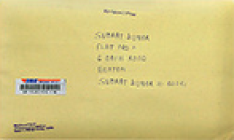 Front view
 Side view
 Back view
Your order will be securely packed and shipped within 24 hours. This is exactly what your package will look like (images of an actual item sent). It has the size and look of a regular private letter (9.4x4.3x0.3 in. or 24x11x0.7 cm) and its contents cannot be seen.
Remeron — Comparison with alternatives

Remeron Current Best rated

Anafranil

Zoloft Best price

Pristiq

Paxil
Reviews and Experiences
Sources
- MOHAP (Ministry of Health and Prevention) (2026). National guidance framework for safe use of psychotropic medicines and follow-up in outpatient care. ↑
- European Medicines Agency (EMA) (2026). Mirtazapine: Summary of Product Characteristics and pharmacology overview. ↑
- WHO (2026). Mental health pharmacotherapy: safety considerations in pregnancy, breastfeeding, and comorbidity. ↑
- NICE (National Institute for Health and Care Excellence) (2025). Depression in adults: treatment choices and switching strategies. ↑
- Cochrane (2025). Mirtazapine versus other antidepressants for major depressive disorder: updated evidence review. ↑
