

Cymbalta - Duloxetine
5 customer reviewsCymbalta is a duloxetine medicine in the SNRI class. It is used in adults for depression, anxiety, and some chronic pain conditions. It helps by increasing serotonin and norepinephrine signalling in the brain and spinal cord.
What is it?
Cymbalta contains duloxetine, an antidepressant that targets both mood symptoms and certain types of persistent pain. Many people first meet Cymbalta through depression or anxiety treatment, then stay on it because it also helps with pain, sleep disorders, and day-to-day functioning when pain and mood overlap.
Cymbalta is commonly prescribed for:
- Major depressive disorder (low mood, loss of interest, fatigue)
- Generalized anxiety disorder (persistent anxiety, tension, poor concentration)
- Fibromyalgia (widespread pain with fatigue and sleep disorders)
- Diabetic peripheral neuropathic pain (burning, tingling, “electric” nerve pain)
- Chronic musculoskeletal pain (for example, long-standing back pain)
One real-world nuance: when pain improves, sleep often improves too, and some patients feel more alert before they feel calmer because norepinephrine signalling can be activating. [1]
Composition
Cymbalta contains duloxetine, an antidepressant that targets both mood symptoms and certain types of persistent pain. Duloxetine is formulated as delayed-release capsules so the medicine passes through the stomach and releases in the intestine, which helps protect the drug and can improve tolerability.
Swallowing the capsule whole matters. Breaking, crushing, or opening delayed-release capsules can change where the medicine releases and can make side effects more likely.
How to use?
Cymbalta is supplied as capsules. Typical adult dosing patterns used in practice include starting at 30 mg once daily, then increasing to 60 mg once daily depending on response and side effects. Some conditions are treated at 60 mg as a common target dose, while others start lower to reduce early nausea and dizziness.
Take Cymbalta once daily at the same time each day, with or without food. Consistency keeps duloxetine levels steadier, which often means fewer ups-and-downs in anxiety, pain, and sleep.
Practical dosing checklist:
- Swallow the capsule whole with water.
- Pick a fixed time (morning or evening) and keep it stable.
- If you miss a dose, take it when you remember unless it is close to the next dose; in that case, skip the missed dose and continue as normal.
- Avoid doubling doses to “catch up.”
People often ask about alcohol. Moderate alcohol can increase sedation and may raise liver strain in susceptible patients, so clinicians usually advise keeping alcohol low and consistent rather than episodic heavy intake.
One more nuance from clinical practice: duloxetine can cause mild blood pressure increases in some people, and anxiety itself can do the same—so it helps when patients track readings at the same time of day to avoid false alarms from random checks.
How does it work?
• Oral use only. Take Cymbalta capsules whole with water; do not crush, chew, or open them.
• Starting dose: 30 mg once daily for the first 1–2 weeks.
• Maintenance dose: 60 mg once daily, with or without food.
• Timing: take it at the same time each day, in the morning or evening.
• Duration: continue daily as prescribed by your clinician; do not stop suddenly without medical advice.
Indications
Cymbalta is used across mental health and chronic pain because anxiety, mood, pain, and sleep disorders often travel together.
- Depression (mood): Duloxetine can lift emotional heaviness and improve motivation. Physical symptoms like aches, low energy, and poor concentration may also improve.
- Generalized anxiety (anxiety): It can reduce constant worry and bodily tension. Some people notice calmer “body anxiety” before mental worry settles.
- Fibromyalgia: Cymbalta may reduce widespread pain and improve daily function. Better sleep can follow when pain is less intrusive.
- Diabetic nerve pain (pain): It is used for burning, tingling, and stabbing sensations typical of neuropathic pain.
- Chronic musculoskeletal pain: It can help when pain has a nerve-sensitisation component, even if imaging does not show dramatic structural changes.
The overlap matters. When pain and mood improve together, adherence tends to improve because patients feel the benefit in more than one area.
Comparison
Cymbalta is an SNRI, so it tends to be discussed alongside SSRIs and other SNRIs. The practical difference is symptom targeting: SSRIs often lead for pure anxiety or depression, while SNRIs are frequently chosen when pain is part of the picture.
| Medicine | Class | Typical place in therapy |
|---|---|---|
| Cymbalta (duloxetine) | SNRI | Depression/anxiety with chronic pain features; fibromyalgia; neuropathic pain |
| Prozac (fluoxetine) | SSRI | Depression and anxiety where activating SSRI profile is acceptable |
| Escitalopram (Lexapro) | SSRI | Anxiety disorders and depression with a generally tolerable SSRI profile |
| Venlafaxine | SNRI | Depression/anxiety; can be more dose-sensitive for blood pressure in some patients |
| Milnacipran | SNRI | Used in fibromyalgia in some settings; availability and indications vary by region |
Differences between Prozac and Cymbalta and their uses often come down to pain: Cymbalta has stronger positioning when pain syndromes or neuropathic pain are central complaints, while Prozac is commonly used when mood and anxiety are primary. Venlafaxine is another SNRI option, but some patients find missed doses cause more abrupt discomfort, and blood pressure monitoring can become more relevant at higher doses.
Contraindications
- Allergy or hypersensitivity to duloxetine or capsule ingredients
- Use of monoamine oxidase inhibitors (MAOIs), or recent MAOI use
- Severe liver disease
- Severe kidney disease
- Uncontrolled hypertension
- Pregnancy or breastfeeding where the prescriber has not judged benefit to outweigh risk
Not recommended for
This medication is not a good fit if you have liver or kidney disease, uncontrolled high blood pressure, or an allergy to duloxetine. It also calls for extra caution if you are pregnant or breastfeeding, or if you use medicines that can interact with serotonin, because the risk of side effects can rise.
Side effects
Nausea is the most common early side effect with Cymbalta, especially in the first days to weeks. Dry mouth, dizziness, headache, sweating, sleep changes (drowsiness or insomnia), and constipation also occur.
Common side effects people report early:
- Nausea
- Dry mouth
- Drowsiness or insomnia
- Dizziness or headache
- Increased sweating
- Reduced appetite
Serious risks are less common but need clear awareness:
- Suicidal thoughts/behaviour warning: antidepressants can raise this risk early in treatment in children, adolescents, and young adults; monitoring in the first weeks matters.
- Serotonin syndrome: agitation, fever, tremor, sweating, diarrhoea, confusion—risk increases with other serotonergic drugs.
- Blood pressure increase: duloxetine can raise blood pressure in some patients, which matters in uncontrolled hypertension.
- Liver injury: uncommon, but risk rises with heavy alcohol use or pre-existing liver disease.
Two pharmacy-floor micro-details that save people trouble:
- Duloxetine can cause urinary hesitation in some patients, more often in men with prostate symptoms; it is uncomfortable but often reversible with dose adjustment.
- Duloxetine can cause a false-positive amphetamine result on some urine immunoassay drug screens; confirmatory testing (GC/MS) can clarify this if workplace testing is involved.
Common mistakes
A few patterns show up again and again when people struggle with Cymbalta.
- Stopping abruptly after feeling better. Duloxetine discontinuation symptoms can be sharp, and stopping suddenly is a common trigger.
- Changing dose timing every day. Irregular timing can feel like the medicine “isn’t working,” when it is really fluctuating levels.
- Opening or chewing capsules. Delayed-release capsules are designed to release later in the gut; altering them can worsen nausea and dizziness.
- Mixing with serotonergic agents without planning. Tramadol, triptans, and St. John’s Wort can raise serotonin syndrome risk when combined.
- Assuming sedation means it’s failing. Early drowsiness can settle; early insomnia can also settle. The first two weeks are often the noisiest.
Doctor opinions
In clinical practice, prescribers often choose Cymbalta when depression or anxiety comes with physical pain, because the SNRI mechanism can cover both symptom clusters with one medicine. Many clinicians also like it for neuropathic pain because it avoids the cognitive dulling some patients report with sedating pain medicines.
Doctors also set expectations early: mood can take a few weeks to shift, while pain relief may appear sooner for some patients and later for others. Early nausea, dry mouth, and sleep changes are common reasons people stop too fast, even though those effects often soften after the first couple of weeks.
Monitoring is not just formality. Clinicians keep an eye on blood pressure, liver risk factors, and mental state changes in the early phase, especially in younger adults where antidepressants carry a warning about suicidal thoughts and behaviour. EMA, FDA, WHO, and other regulators align with international safety labelling on this point. [3]
Frequently asked questions
How long it takes for Cymbalta to start working
Many patients feel early changes like less constant worry, slightly better sleep continuity, or less “edge” within 1–2 weeks, while core mood symptoms often take 2–4 weeks or longer. Pain relief can appear in a similar window, but fibromyalgia pain often needs several weeks to judge fairly. If side effects are intense in the first week, prescribers often adjust timing or dose before switching drugs. Guidance used in mental health services, including NICE decision aids referenced internationally, frames antidepressant response as a weeks-scale process rather than days.
Long-term use expectations
Cymbalta can be used long-term when symptoms recur off treatment or when chronic pain conditions remain active. Clinicians typically reassess benefit every few months: mood stability, anxiety control, pain function, sleep disorders, and side effects. Long-term use is not about chasing a “boost,” it is about preventing relapse and keeping function steady. Regulators such as the EMA describe duloxetine as suitable for maintenance in appropriate patients when monitored.
Missed dose handling
Take the missed dose when remembered unless the next scheduled dose is close; then skip the missed one and return to the usual schedule. Doubling up can increase nausea, dizziness, and sleep disruption. If missed doses happen repeatedly, many people benefit from tying the dose to a fixed habit like brushing teeth or a fixed meal. WHO medication safety materials stress routine-building as a practical adherence tool in chronic therapy.
Weight change and appetite effects
Cymbalta can reduce appetite early for some people, which may lead to mild weight loss, while others see no change or gradual gain over time as mood and eating normalise. The direction is not predictable for every person, so tracking appetite and weight trends for a month gives more useful information than day-to-day fluctuations. Dry mouth can also lead to increased sugary drink intake, which quietly drives weight gain in some patients. Safety labelling reviewed by the FDA lists appetite and weight changes as possible effects across antidepressants, including duloxetine.
Sleep changes during the first weeks
Drowsiness and insomnia can both happen with Cymbalta. If insomnia appears, prescribers often try morning dosing; if daytime sleepiness appears, evening dosing may fit better, keeping the time consistent. Caffeine timing matters too: moving caffeine earlier in the day is sometimes enough to fix early insomnia without changing the medicine. EMA patient information for duloxetine recognises sleep disturbance as a common tolerability issue early in treatment.
The typical journey with Cymbalta
A common pattern is a bumpy first 7–14 days with nausea or sleep disruption, then a steadier phase where anxiety, mood, and pain gradually become less intrusive. Patients with fibromyalgia often describe improvement as “more good days” rather than total pain disappearance. People doing well long-term often keep dose timing stable and avoid on-off dosing. MOHAP-aligned counselling focuses on early monitoring and interaction checks during this adjustment period.
Do you offer anonymous delivery?
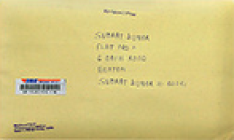 Front view
 Side view
 Back view
Your order will be securely packed and shipped within 24 hours. This is exactly what your package will look like (images of an actual item sent). It has the size and look of a regular private letter (9.4x4.3x0.3 in. or 24x11x0.7 cm) and its contents cannot be seen.
Cymbalta — Comparison with alternatives
Cymbalta Current

Anafranil

Zoloft Best price

Pristiq Best rated

Paxil
Reviews and Experiences
Sources
- EMA (2025). Summary of Product Characteristics (SmPC) — duloxetine ↑
- FDA (2025). Label — Cymbalta (duloxetine) delayed-release capsules ↑
- MOHAP (Ministry of Health and Prevention) (2024). Medication safety information resources for patients and healthcare professionals ↑
- WHO (2021). Guideline: rational use of medicines and deprescribing considerations ↑
- NICE (2025). Depression in adults: treatment and management — patient decision support resources ↑
