

Neem
4 customer reviewsNeem tablets are an oral herbal supplement for adults seeking support for skin wellness and acne-prone skin. They are used to help balance the skin from within. Their plant compounds may help reduce microbe-related breakouts and inflammation.
What is it?
Neem refers to the Neem Tree (Azadirachta indica), a medicinal shade tree traditionally used in Ayurveda and other systems of herbal medicine. The Neem Tree is native to the Indian subcontinent, and it is known for being heat-tolerant and drought-resistant, which partly explains why it has been cultivated widely beyond its original habitat. In wellness practice, Neem is most often linked with skin comfort, oil-balance support, and “inside-out” hygiene for people prone to blemishes.
This product is Neem tablets designed for skin wellness and acne control.
Composition
Neem tablets in this listing contain Azadirachta indica (Neem) as the active herbal ingredient.
How to use?
Use Neem tablets with a schedule that is easy to repeat.
- Timing: take with or after meals
- Consistency: aim for daily use, not “only when acne appears”
- If you miss a dose: take the next scheduled dose; do not double up
How does it work?
- Route: Oral, by mouth.
- Dose: 500 mg per tablet, 1 tablet per dose.
- Frequency: 2 times per day.
- Timing: Take after meals with water.
- Duration: Use daily for 4 to 8 weeks.
Indications
Neem is used to support:
- Skin wellness, including acne-prone skin support
- A routine focused on controlling acne and reducing the frequency of minor breakouts
- General wellbeing support where skin reactivity is linked with lifestyle triggers (sleep disruption, stress, high-sugar diet)
People with persistent nodules, scarring acne, or acne with significant hyperpigmentation often need a medical acne regimen; Neem can still be used as supportive care in those plans.
Comparison
Neem sits in a “supportive skin wellness” category, and it is best compared by mechanism and use-case rather than by brand.
| Approach | What It Targets | When It Fits Best |
|---|---|---|
| Oral Neem (Azadirachta indica) tablets | Internal support for microbe balance and inflammation | Mild-to-moderate acne-prone skin, frequent minor breakouts, preference for herbal routines |
| Topical acne actives (retinoids, benzoyl peroxide, azelaic acid) | Comedones, bacteria, inflammation on the skin surface | Faster, more direct acne control; good when breakouts are clearly follicle-based |
| Prescription acne therapy (e.g., oral antibiotics, hormonal therapy, isotretinoin) | Higher-severity inflammatory acne drivers | Moderate-to-severe acne, scarring risk, widespread inflammation |
A key trade-off is speed versus gentleness: topical and prescription options can work faster but bring predictable irritation or systemic risks, while Neem tends to be slower and depends on consistency and lifestyle factors.
Contraindications
Neem is not for you if any of the points below apply:
- Known allergy to Azadirachta indica or any component of the product
- Pregnancy
- Breastfeeding (lactation)
Use extra caution and seek individualized medical advice if you have a chronic condition treated with medication, since herbal supplements can affect tolerability and adherence even without a classic drug interaction.
Not recommended for
Neem should be avoided if you are pregnant or breastfeeding, or if you know you are allergic to Azadirachta indica or any ingredient in the product. It is also not the right choice if you have a history of strong sensitivity to herbal supplements, because stomach upset or allergic reactions can occur.
Side effects
Commonly reported:
- Mild gastrointestinal upset (nausea, stomach discomfort)
- Allergic reactions, which may present as itching, rash, or swelling
A practical warning: allergic reactions can show first on the skin, and people sometimes mislabel that as “purging.” If you develop hives or facial swelling, stop and seek urgent medical care.
Common mistakes
Small mistakes can make Neem look ineffective or cause avoidable discomfort.
- Taking it only “as needed” for a few days, then stopping before skin turnover cycles can show change
- Using the maximum dose immediately, then quitting because of mild gastrointestinal upset
- Adding multiple new acne products at once, then blaming Neem for dryness or irritation
- Expecting it to replace sunscreen, gentle cleansing, and non-comedogenic moisturising
- Combining it with aggressive “detox” teas or laxatives, then getting cramps and attributing it to Neem
One more issue shows up in UAE summers: dehydration can make skin feel more inflamed and congested, and bitter herbs may feel harsher when fluid intake is low.
Doctor opinions
In clinic-style conversations, doctors tend to frame Neem as an adjunct: useful for patients who want a plant-based option, but best paired with a clear acne plan and realistic timelines. Dermatology practice focuses on measurable endpoints: fewer inflammatory lesions, less post-inflammatory redness, and improved tolerability of a simple topical routine. A common medical comment is that acne has multiple “inputs” (hormones, pores clogging, bacteria, inflammation), and an oral herbal supplement can only influence some of them.
One pattern doctors see: patients switch products too quickly. If you change cleanser, moisturizer, actives, and add Neem in the same week, you cannot identify what helped or irritated. Another point clinicians raise is pregnancy planning; many doctors advise avoiding Neem in pregnancy due to safety uncertainties and traditional cautions around reproductive effects, even when the product is sold as a wellness supplement.
Frequently asked questions
How long Neem takes to help with acne-prone skin
Skin changes tend to be gradual because clogged pores and inflammation evolve over weeks, not days. Many people assess oral supplements like Neem at the 3–8 week mark while keeping the rest of their routine stable. Acne is multifactorial, so a single approach may only partially reduce symptoms rather than erase them [3]. (Updated 2026)
Can Neem be used during pregnancy or breastfeeding?
Neem should be avoided during pregnancy and lactation for safety reasons and because many herbal products have limited human safety data in these populations. Clinicians in maternal care usually advise sticking to products with clear pregnancy safety profiles, and Neem is not typically included there. This matches the conservative approach reflected across many regulator-facing consumer resources, including MOHAP communications on special-population caution with supplements. (Updated 2026)
What side effects should I watch for first?
The first issues tend to be mild stomach upset (nausea, cramps) or signs of allergy like itching and rash. Allergic reactions can lead to skin irritation, and people sometimes mistake that for acne flare or “purging,” then continue and worsen the reaction. If symptoms suggest hives, lip swelling, or breathing trouble, treat it as urgent. WHO allergy guidance supports rapid recognition of severe hypersensitivity symptoms as a safety priority. (Updated 2026)
Do you offer anonymous delivery?
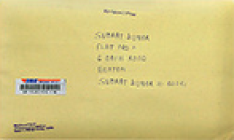 Front view
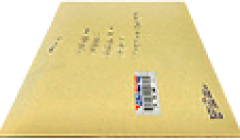 Side view
 Back view
Your order will be securely packed and shipped within 24 hours. This is exactly what your package will look like (images of an actual item sent). It has the size and look of a regular private letter (9.4x4.3x0.3 in. or 24x11x0.7 cm) and its contents cannot be seen.
Neem — Comparison with alternatives
Neem Current

Triphala Best price

Cystone Best rated

Purim

Arjuna
Reviews and Experiences
Sources
- National Center for Complementary and Integrative Health (NCCIH) (2022). Neem ↑
- Cochrane (2020). Herbal medicines for periodontal diseases (systematic review) ↑
- World Health Organization (WHO) (2023). Skin diseases: acne (fact sheet/health topic page) ↑
- European Medicines Agency (EMA) (2023). Information on treatments used in acne (public medicine information pages) ↑
- MOHAP (Ministry of Health and Prevention) (2022). Consumer guidance on the safe use of health supplements ↑
