Verified
I took it for a chest infection. Day 2 I already felt less feverish, but I had stomach cramps after each dose. Eating a light meal with it made it easier to finish the week.
23 Oct 2024


Erythromycin is a macrolide antibiotic used for susceptible bacterial infections. It is prescribed for people who need treatment of infections such as bronchitis, pneumonia, or skin infections. It works by blocking bacterial protein production.
Erythromycin is an antibiotic from the macrolide group. The active substance is erythromycin, usually presented in tablets for oral use. Depending on the product, the tablet may also contain excipients that support stability, shape, and absorption.
Erythromycin tablets are commonly used in divided daily doses. For many infections, adults are prescribed doses taken 2 to 4 times per day, with the exact dose and duration chosen based on the infection site, severity, kidney/liver status, and local resistance patterns.
Common tablet strengths include 250 mg and 500 mg. These strengths are used to build a prescribed total daily dose without making the patient take an impractically high number of tablets.
A few practical dosing realities matter in daily life:
Clinically, this protein-blocking action matters because it targets bacteria while leaving human cells largely unaffected, since human ribosomes are structured differently. It also explains why erythromycin is not useful for viral illnesses like colds or influenza, where there is no bacterial ribosome to block. Guidance from the World Health Organization (WHO) supports using antibiotics only when there is a clear bacterial indication to limit resistance pressure. [1]
Erythromycin is prescribed for susceptible bacterial infections across several body systems. It is used for respiratory tract infections such as bacterial bronchitis or pneumonia (including atypical pathogens), and for skin and soft tissue infections such as impetigo.
It also has a role in Mycoplasma treatment, since Mycoplasma species lack a typical cell wall and macrolides can be a logical choice when susceptibility is expected. It may be used for Chlamydia treatment in selected situations, depending on local guidance, individual factors, and macrolide suitability.
Erythromycin treats bacteria and should be used only when the infection is likely bacterial. It does not treat viruses, so coughs from influenza or a common cold need a different approach. Finishing the course matters for symptom control and resistance prevention.
Erythromycin sits within the macrolide antibiotic family. Two common alternatives in the same class are azithromycin and clarithromycin; all three inhibit bacterial protein synthesis, but dosing schedules, tolerability, and interaction profiles differ.
| Option | Typical dosing convenience | Interaction tendency |
|---|---|---|
| Erythromycin | More frequent daily dosing | Higher (CYP3A4 inhibition, QT risk) |
| Azithromycin | Often once daily, shorter courses | Lower than erythromycin for CYP interactions, QT risk still relevant |
| Clarithromycin | Usually twice daily | Higher interaction potential (CYP3A4), QT risk relevant |
Why clinicians switch within the class: azithromycin is often chosen when adherence is a concern because fewer daily doses means fewer missed doses. Clarithromycin may be selected for specific indications and susceptibility patterns, but interaction screening is still a priority. Outside macrolides, prescribers may choose different antibiotic classes based on the organism, the site of infection, and resistance trends.
Erythromycin is not for you if any of the points below apply.
Drug interactions are a central safety issue with Erythromycin. It inhibits CYP3A4 and can increase levels of certain statins, some calcium-channel blockers, antiarrhythmics, and other narrow-therapeutic-index drugs. MOHAP’s medication safety messaging in the UAE places strong emphasis on sharing a full medication list, including over-the-counter products, to prevent avoidable interaction harm. [3]
if you have a history of allergy to erythromycin or another macrolide, if you have severe liver problems, if you live with myasthenia gravis, or if your medicine list already includes drugs that can affect heart rhythm. It is also not a good fit if a prescriber has warned that breastfeeding risk outweighs benefit or if interacting medicines have not been reviewed.
Gastrointestinal effects are the most common reason people dislike Erythromycin. Nausea, abdominal cramps, vomiting, and diarrhoea can occur, and they are often dose-related. A mild metallic taste is also reported by some patients.
Allergic reactions can present as rash, itching, or hives, and severe reactions are rare but urgent. Liver-related side effects such as cholestatic jaundice can occur, with higher concern in people who already have liver disease. Hearing effects (tinnitus or temporary hearing changes) have been reported at higher doses or longer courses.
The side effect that deserves respect is cardiac rhythm disturbance: Erythromycin can prolong the QT interval and increase the risk of torsades de pointes in susceptible patients, especially when combined with other QT-prolonging medicines or in the presence of low potassium/magnesium.
A simple self-check helps: if you develop severe watery diarrhoea, fever, or blood/mucus in stool during or after antibiotics, clinicians think about antibiotic-associated colitis and test for C. difficile. This is a “do not wait it out” scenario.
These are the problems I see most often with erythromycin tablets, and they are fixable.
In day-to-day practice, clinicians tend to reach for Erythromycin when a macrolide antibiotic is appropriate and a penicillin alternative is needed, including in patients with reported penicillin allergy histories. They also warn patients upfront about gastrointestinal side effects because Erythromycin can stimulate gut motility; setting expectations reduces early discontinuation.
Doctors also watch the medication list closely because Erythromycin can raise levels of other drugs via CYP3A4 inhibition, and that can turn a stable chronic medicine into a toxicity problem. This is a bigger deal in older adults, in people on multiple long-term medicines, and in patients with cardiac risk factors, since QT prolongation risk becomes a real prescribing constraint. Safety information and interaction cautions are detailed in EMA-reviewed product information for erythromycin-containing medicines. [2]
One more clinical nuance: if your infection is severe, persistent, or linked to an abscess, antibiotics alone may not solve it—source control (for example drainage) can be the missing piece even when the antibiotic choice is correct.
Food can reduce stomach upset for many people, even if absorption can be slightly lower for some formulations; the real priority is finishing the course as prescribed. If your infection is severe or your prescriber stressed empty-stomach dosing, follow that plan for best exposure. WHO antimicrobial stewardship materials emphasise adherence to the prescribed regimen to reduce treatment failure and resistance risk.
Symptom relief often begins within 48–72 hours for uncomplicated susceptible infections, while full resolution may take the entire course. Fever reduction can be an early sign, while cough or skin redness may fade more slowly. If symptoms worsen after starting, clinicians reassess diagnosis, susceptibility, and complications rather than simply extending the same antibiotic.
Many prescribers advise taking the missed dose when you remember, then continuing the usual schedule, unless you are close to the next dose time. Doubling the next dose raises side effects and does not reliably improve outcomes. If you miss multiple doses, the course may become less effective and resistance risk rises, so medical review may be needed. [5]
Yes. Erythromycin can prolong the QT interval and raise the risk of torsades de pointes in susceptible patients, especially with other QT-prolonging medicines or low potassium/magnesium. This is why clinicians screen for interacting drugs and cardiac history before choosing it. Palpitations, fainting, or sudden dizziness after starting are red flags that need urgent assessment.
Erythromycin has been used in pregnancy when indicated, but the choice depends on the infection and trimester, and clinicians consider alternatives when needed. During breastfeeding, macrolides can pass into milk and may cause infant gastrointestinal upset; in some situations, a different antibiotic is preferred. Decisions are individualized and based on maternal benefit versus infant risk.
Interactions are one of the main practical limitations of Erythromycin. It can increase levels of certain medicines metabolised by CYP3A4, which can lead to muscle toxicity (with some statins), low blood pressure (with some calcium-channel blockers), or rhythm issues (with antiarrhythmics). Keeping an updated medication list is a core safety step that aligns with MOHAP medication safety priorities in the UAE.
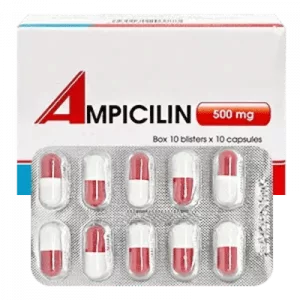
Your order will be securely packed and shipped within 24 hours. This is exactly what your package will look like (images of an actual item sent). It has the size and look of a regular private letter (24x11x0.7 cm) and its contents cannot be seen.