

Ampicillin - Acillin
4 customer reviewsAmpicillin is a semi-synthetic penicillin antibiotic used to treat bacterial infections. It is prescribed for patients who need broad beta-lactam coverage while the cause is being identified. It works by blocking bacterial cell wall formation, which kills susceptible bacteria.
What is it?
Ampicillin is a semi‑synthetic penicillin (a beta‑lactam antibiotic). It is used for infections where bacteria are the cause, not viruses, and it is chosen because it can cover multiple likely pathogens while cultures are pending or when a clear pathogen is already identified.
Ampicillin targets susceptible organisms by blocking bacterial cell wall building. When that wall cannot form correctly, bacteria rupture and die. The World Health Organization (WHO) lists ampicillin among essential antibiotics for specific indications, reflecting its long-standing role in treatment protocols [1].
One key limitation: many bacteria produce beta‑lactamases that can break down ampicillin, so it is not the right choice for every setting.
Composition
Ampicillin pills contain ampicillin as the active substance, usually in the form of ampicillin trihydrate. The tablets may also include excipients such as starch, microcrystalline cellulose, talc, magnesium stearate, and other formulation ingredients that help with tablet stability and disintegration.
How to use?
Ampicillin exists as an oral medicine and as an injectable salt form used in hospitals. Oral treatment is used for outpatient infections when the patient can swallow and absorb medication reliably; injections are reserved for severe infections or when oral absorption is unreliable.
- Oral: Ampicillin capsules (this page is for capsules).
- Injectable: Ampicillin (as sodium), used for IV/IM dosing in clinical settings.
A practical buying nuance: oral capsules and injectable Ampicillin (as sodium) are not interchangeable dose-for-dose without medical direction.
A clear routine helps, since “every 6 hours” is easy to drift from during busy days.
- Typical adult schedule: 250–500 mg every 6 hours
- Timing with food: 30 minutes before meals or 2 hours after
- Course length: commonly 5–14 days
- Swallowing: swallow capsules with water
Missed dose guidance in practice: take it when you remember if it’s not close to the next dose; if it is close, skip the missed dose and return to the regular schedule. Doubling up increases side effects without improving cure rates.
How does it work?
- Oral route: Swallow the pills with water.
- Dose: Common adult dosing is 250–500 mg every 6 hours; in more severe infections, the dose may be increased to 1,000 mg every 6 hours only if prescribed by a doctor.
- Timing: Take the tablets on an empty stomach, 30 minutes before meals or 2 hours after meals.
- Duration: Continue treatment for the full prescribed course, usually 5–14 days, depending on the infection and response.
- Pediatric use: Children are dosed by body weight, typically 50–100 mg/kg/day divided into 4 doses by oral route, as directed by a clinician.
Indications
Ampicillin is indicated for susceptible bacterial infections, including infections of the respiratory tract, urinary tract, gastrointestinal tract, and skin and soft tissues. It is also used for some enterococcal and meningococcal infections when the organism is sensitive, and for other infections confirmed by culture and susceptibility testing.
Comparison
Ampicillin — Comparison with alternatives
Ampicillin is one tool in the beta‑lactam family and the wider antibiotic toolbox. The best choice depends on suspected organism, site of infection, allergy history, and local resistance.
| Option | How it differs |
|---|---|
| Amoxicillin | Similar class; often preferred orally for some indications due to absorption profile |
| Amoxicillin/clavulanate | Adds a beta‑lactamase inhibitor to broaden coverage against beta‑lactamase producers |
| Cephalexin | Cephalosporin alternative often used for skin/soft tissue infections; cross‑allergy risk exists in true severe penicillin allergy |
In practice, clinicians move away from Ampicillin when beta‑lactamase–producing organisms are likely, or when dosing frequency would reduce adherence. They may still choose it when susceptibility is known and the regimen fits the patient’s daily routine.
Contraindications
Ampicillin Precautions and Contraindications
Some people should avoid Ampicillin entirely, and others need closer selection of dose and monitoring. MOHAP guidance on responsible antibiotic use aligns with this core rule: match the antibiotic to the patient and infection, and account for allergy risk and organ function [4].
Ampicillin is not suitable for you if
- You have a known allergy to penicillins or other beta‑lactam antibiotics (including a history of immediate swelling, hives, or breathing difficulty after such antibiotics).
- You have had a severe past reaction suggestive of anaphylaxis to a beta‑lactam.
- You have severe liver or kidney dysfunction where a clinician has advised against this class.
Situations needing extra caution
- Kidney impairment: dosing intervals may need adjustment to prevent accumulation.
- Pregnancy and lactation: used only when a prescriber decides benefits outweigh risks.
- Asthma, eczema, multiple allergies: these patients report antibiotic rashes more often in day-to-day practice.
Side effects
Ampicillin Side Effects and Adverse Reactions
Most people tolerate Ampicillin, yet side effects are common enough to plan for. Gastrointestinal effects happen because antibiotics also disturb gut flora.
Common effects
- Nausea
- Vomiting
- Diarrhoea
- Abdominal discomfort
- Dysbacteriosis (imbalance of normal intestinal microflora)
Ampicillin-induced skin reactions
Ampicillin can trigger skin reactions ranging from mild rashes to severe allergy. A mild maculopapular rash can appear as widespread pink-red spots, often starting on the trunk and spreading to limbs. Hives (urticaria) are raised, itchy welts that can come and go within hours. Angioedema (including Quincke’s oedema) can involve swelling of lips, eyelids, or throat; throat swelling or breathing difficulty needs urgent care.
A real-world nuance clinicians see: rashes are more frequent when an underlying viral illness is present (for example infectious mononucleosis), which can lead to confusion about “penicillin allergy” later.
Diarrhoea is common. Severe allergy is rare, but it needs urgent attention when it appears suddenly.
Common mistakes
Common patient mistakes
These mistakes show up repeatedly and lead to failed treatment or avoidable side effects.
- Stopping when symptoms improve, instead of completing the prescribed course.
- Taking doses too close together after a missed dose, which increases nausea and diarrhoea.
- Taking Ampicillin with meals every time and then wondering why response is slower; food can reduce absorption for many patients.
- Sharing leftover capsules with a family member who “has the same symptoms.” Similar symptoms can be viral, or caused by a resistant organism.
- Ignoring a new rash, then continuing dosing for another day; early review can prevent escalation in true allergy.
Doctor opinions
Doctor perspectives
Doctors tend to choose Ampicillin when the likely bacteria are susceptible and when a narrower antibiotic is not appropriate or not available. In primary care, it often comes up for urinary tract infections, some respiratory infections, and skin/soft tissue infections when clinical features point to a bacterial cause.
A pattern seen in clinics: patients feel better by day 2–3 and stop early, then return a week later with the same infection or a new complication. Another common observation is that “penicillin allergy” is over-reported after a non-itchy, non-hive rash during a viral illness; that label can block best‑choice antibiotics for years. Where possible, clinicians document the exact reaction timing and features to guide future therapy.
Broad coverage helps, but resistance can limit success.
Frequently asked questions
How much does Ampicillin cost in pharmacies?
How to buy Ampicillin over the counter?
Do you offer anonymous delivery?
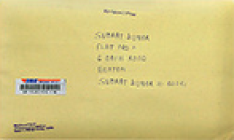 Front view
 Side view
 Back view
Your order will be securely packed and shipped within 24 hours. This is exactly what your package will look like (images of an actual item sent). It has the size and look of a regular private letter (9.4x4.3x0.3 in. or 24x11x0.7 cm) and its contents cannot be seen.
Ampicillin — Comparison with alternatives
Ampicillin Current

Tobradex Best price

Chlorhexidine Best rated

Amoxil

Zithromax
Reviews and Experiences
Sources
- World Health Organization (2023). WHO Model List of Essential Medicines (23rd List) ↑
- European Medicines Agency (2024). Summary of Product Characteristics (SmPC) — ampicillin (systemic use) ↑
- British National Formulary (BNF) (2025). Ampicillin: interactions and prescribing guidance ↑
- MOHAP — Ministry of Health and Prevention (2025). Public guidance on antibiotics and antimicrobial resistance ↑
- World Health Organization (2024). Antimicrobial resistance: fact sheet and stewardship guidance ↑
