Verified
My doctor used it for a UTI after a culture. Burning improved by day two. I felt a bit nauseous after the morning dose, so I took it after breakfast and it settled.
10 Nov 2024

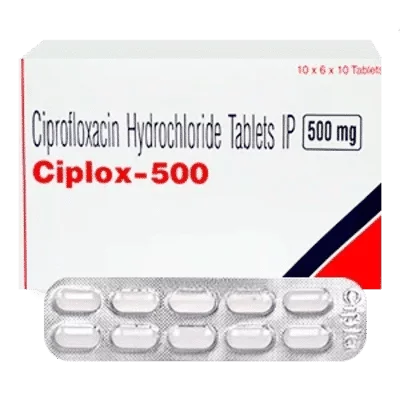
Ciplox is an oral antibiotic tablet for adults with bacterial infections. It is used when the likely bacteria are sensitive to ciprofloxacin. It works by blocking bacterial DNA replication so the infection can clear.
Ciplox is an oral antibiotic tablet containing ciprofloxacin, a fluoroquinolone used for bacterial infections in adults. It is typically prescribed for infections where susceptible bacteria are likely, such as urinary, respiratory, skin, and some gastrointestinal infections. Ciprofloxacin works by blocking bacterial DNA replication enzymes, which stops bacteria from multiplying and helps clear the infection.
Ciprofloxacin belongs to the fluoroquinolone antibiotic class. This class is valued for tissue penetration, but it also carries specific safety warnings compared with many older antibiotics. EMA has issued restrictions to limit fluoroquinolone use to situations where benefits outweigh risks. [1]
Take Ciplox by mouth with water. Swallow the tablet whole.
Typical use patterns (the prescriber sets the exact plan):
Ciprofloxacin binds to polyvalent cations and this can sharply reduce absorption. Avoid taking Ciplox at the same time as:
Spacing usually solves it.
Missed dose: take it when you remember on the same day, then return to your schedule. If it is close to the next dose, skip the missed one and continue. Double-dosing raises side-effect risk without improving cure rates.
Ciprofloxacin kills bacteria by inhibiting DNA gyrase and topoisomerase IV, two enzymes bacteria need to copy and repair their DNA. When DNA can’t be managed properly, bacteria stop dividing and the infection can resolve.
This mechanism explains two practical points:
WHO continues to list ciprofloxacin as an antibiotic that should be used with care because resistance is a growing global problem, and fluoroquinolones are not the best choice for every infection. [2]
Ciplox is used to treat infections caused by bacteria that are sensitive to ciprofloxacin. It does not treat viruses such as colds or influenza, and using antibiotics when they are not needed increases the chance of resistance.
Common reasons clinicians prescribe oral ciprofloxacin include:
A key limitation: for routine, uncomplicated infections, many guidelines prefer narrower-spectrum antibiotics first to reduce resistance pressure. Ciplox is chosen when the likely bacteria and local patterns support it, or when alternatives are unsuitable.
| Option | How it compares | Typical place in therapy |
|---|---|---|
| Ciprofloxacin (Ciplox) | Broad activity with strong tissue penetration; higher risk warnings than many older antibiotics | Selected UTIs, prostatitis, specific Gram-negative infections |
| Amoxicillin/clavulanate | Broader than amoxicillin alone; GI upset can be limiting | Many respiratory, skin, bite-related infections |
| Nitrofurantoin | Concentrates in urine; not for kidney impairment or tissue infections | Uncomplicated lower UTI in appropriate patients |
A practical clinician approach: use the narrowest antibiotic that will reliably treat the suspected bacteria. Ciplox becomes attractive when narrower options are unlikely to work, cannot be used, or when penetration is a priority.
Key drug interactions and combinations to avoid or monitor:
If you have diabetes and use insulin or sulfonylureas, blood glucose swings have been reported with fluoroquinolones; clinicians often advise closer monitoring during the course.
Ciplox is not a good fit if you are pregnant, breastfeeding, under 18, or have had tendon problems with a fluoroquinolone before. It should also be avoided when you have a ciprofloxacin allergy or when you need medicines that can interact badly, such as tizanidine, warfarin, theophylline, some antiarrhythmics, or steroids. People with diabetes, kidney or liver problems, or a history of tendon pain need extra caution and medical review.
Most people tolerate Ciplox, yet side effects are common enough to plan for.
Common side effects seen with ciprofloxacin include:
Serious reactions are less common but need urgent attention:
Two insider details that catch people off guard:
Small mistakes can make ciprofloxacin fail, even when the bacteria are sensitive.
Frequent issues seen in practice:
Ciprofloxacin can increase photosensitivity in some people. UAE sun exposure makes this more than a theoretical warning.
Doctors in everyday practice tend to see Ciplox as a “right tool, right job” antibiotic. It can be very helpful for complicated UTIs, prostatitis, or selected gastrointestinal infections, where penetration and broad Gram-negative coverage matter.
At the same time, prescribers have become more selective since EMA safety communications on fluoroquinolones. A common pattern in clinics is to reserve ciprofloxacin for cases with culture results, prior antibiotic failure, or when safer first-line options are inappropriate.
Clinicians also watch for early neuropsychiatric effects. Some patients report anxiety, insomnia, or feeling “wired” in the first days. If that happens, doctors often reassess quickly rather than telling the patient to push through.
MOHAP in the UAE promotes antimicrobial stewardship principles across healthcare settings, and ciprofloxacin is a classic example of an antibiotic where stewardship makes a measurable difference. [3]
Symptom relief can begin within 24–72 hours for sensitive infections, yet the timeline depends on the site of infection and bacterial load. UTIs often improve faster than prostatitis, where tissue penetration helps but inflammation takes time to settle. If fever or pain is worsening after a couple of days, clinicians usually reassess for resistance, wrong diagnosis, or complications. This matches how fluoroquinolones are positioned in EMA safety communications and stewardship guidance.
Ciprofloxacin can chelate with magnesium, aluminium, calcium, iron, and zinc in the gut, reducing absorption and leading to treatment failure even when you took every dose. Spacing the doses is a common fix and is routinely advised in clinical references and hospital protocols. People in the UAE often take mineral supplements during fasting or training periods, so timing mistakes are common. This interaction is a standard warning in regulatory product information for ciprofloxacin-class medicines reviewed by major agencies. [4]
Alcohol does not directly inactivate ciprofloxacin, yet it can worsen dizziness, stomach upset, and sleep disturbance that some people already feel on this antibiotic. If the infection caused dehydration or fever, alcohol can slow recovery by worsening dehydration and sleep quality. For people who get palpitations or anxiety on ciprofloxacin, alcohol can amplify the same symptoms. Stewardship programmes referenced by MOHAP also focus on adherence and avoiding behaviours that lead to missed doses. [5]
Photosensitivity can occur with ciprofloxacin, meaning UV exposure triggers redness and burning faster than your usual baseline. This is relevant in the UAE because outdoor heat and sun are intense for much of the year, and mild burns can become severe quickly. Protective clothing and high SPF reduce the risk, and many patients find midday sun is the hardest period. WHO materials on antibiotic harms and safe use include avoiding preventable adverse effects that lead to early discontinuation.
Tendonitis and tendon rupture are recognised fluoroquinolone risks, with higher vulnerability in older adults, people using systemic corticosteroids, and transplant recipients. Pain often starts as a new ache in the Achilles tendon, shoulder, or elbow, sometimes after normal activity rather than an injury. Clinicians treat this as a safety event, not as “normal soreness,” because continuing the drug can worsen tendon damage. EMA communications on fluoroquinolone safety address this risk directly and recommend stopping at the first sign of tendon pain and seeking clinical review.
Ciplox is generally avoided during pregnancy and breastfeeding because fluoroquinolones have potential risks for the developing fetus and infant, and safer alternatives often exist. If a severe infection needs treatment, a clinician selects antibiotics with the best safety record for that stage of pregnancy. For breastfeeding, temporary interruption is sometimes discussed depending on the infection and available alternatives. This approach aligns with standard regulatory prescribing information for ciprofloxacin medicines.
Your order will be securely packed and shipped within 24 hours. This is exactly what your package will look like (images of an actual item sent). It has the size and look of a regular private letter (24x11x0.7 cm) and its contents cannot be seen.