Verified
I used Chlorhexidine on a small cut while it was healing. It felt clean and didn’t sting after the first day. The main thing was letting it dry before covering, otherwise it felt sticky under the dressing.
8 May 2026

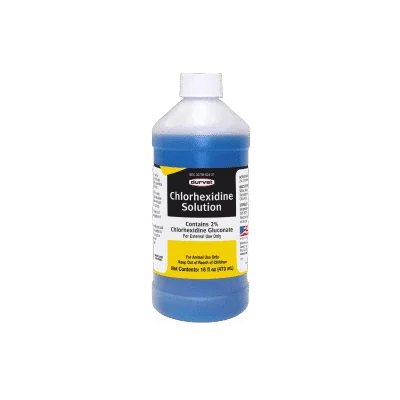
Chlorhexidine is a broad-spectrum antiseptic and disinfectant used for skin and oral cleansing. It is for people who need reliable hygiene support or infection-prevention as part of wound-care or dental routines. It binds to tissues and disrupts bacterial cell membranes, providing ongoing antimicrobial action after application.
Chlorhexidine is a disinfectant used for disinfection of skin and to reduce microbial load where infection prevention matters. In pharmacy practice, it’s valued because it keeps acting after it dries, thanks to strong binding to the outer layers of skin and proteins on surfaces.
At a microbiology level, Chlorhexidine disrupts bacterial cell membranes so the cell leaks and dies. It works against a wide range of organisms, with strong activity against many Gram‑positive and Gram‑negative bacteria; activity against spores is limited, so it is not treated as a sterilant. You may also see it discussed alongside Chelating Agents in dental infection control, and in professional references under Disinfectants and Endo Solutions, since it can be used in clinical cleaning protocols.
Active ingredient: chlorhexidine (commonly as chlorhexidine digluconate) in an aqueous base. Excipients depend on the form and may include purified water, alcohol (in some solutions), humectants, surfactants, buffering agents, and preservatives to stabilize pH and improve wetting of tissues.
Chlorhexidine is used across skin and oral care because different body sites need different “vehicles” to deliver the same antiseptic action safely. In bottles, it’s commonly supplied as Chlorhexidine Gluconate solutions designed for topical use, where even coverage and easy measuring matter.
Common applications you’ll see in clinical routines include:
Short contact times matter. Coverage matters more.
| Concentration | Typical use |
|---|---|
| 0.09% Chlorhexidine | Low-strength oral rinsing in mouthwash formulations |
| 1.5% Chlorhexidine Gluconate | Skin antisepsis where stronger bacterial reduction is required |
| 2% Chlorhexidine Gluconate Solution | Common strength for topical skin cleansing and procedural prep |
| Chlorhexidine Gluconate solution 20% IP | Concentrate used for professional compounding/manufacturing, not for direct skin use |
One mistake I see in real use: people assume “higher is better” and apply concentrated products to sensitive areas. Burning, rash, and unnecessary skin damage follow.
Chlorhexidine is used for disinfection of skin and to reduce microbial load where infection prevention matters.
For Gingivitis, Chlorhexidine Mouthwash is a dentist’s workhorse because it reduces plaque bacteria quickly and can calm bleeding and swollen gums when used as a short, targeted course. The effect comes from bacterial membrane disruption plus strong binding to oral tissues, which prolongs antimicrobial activity even after you spit it out.
Dentists often use it when brushing is painful, after professional cleaning, or when gum inflammation flares. The trade-off is real: it can stain teeth and change taste, so it’s usually not a “forever” rinse. EMA assessments of chlorhexidine-containing products emphasize balancing benefit in gingival inflammation against known tolerability issues like staining. [3]
Chlorhexidine is widely used in Wound Care because it reduces bacterial contamination on skin and around superficial wounds, which lowers the chance that minor breaks in the skin become infected. It’s also used around minor burns to reduce bacterial load on surrounding skin, where contamination can slow healing.
Chlorhexidine Mouthwash is used beyond Gingivitis. Dentists often recommend it after scaling, extractions, implant work, or when braces and pain make brushing difficult, since it can reduce bacterial load while the mouth is healing.
Chlorhexidine can also be used in broader routines that include mechanical plaque removal, and it sometimes appears in adjunct products such as INTERMED Chlorhexil-F Toothpaste. For most people, chlorhexidine oral products are best used as time-limited courses to avoid staining and taste changes, then stepped down to standard daily oral hygiene once gums settle.
Do not use Chlorhexidine if you have ever had an allergic reaction to it (such as hives, facial swelling, or breathing symptoms). Avoid using it in places where accidents can cause harm, especially near the eyes or inside the ear. If you have very inflamed, broken, or eczematous skin at the area you want to treat, it may flare irritation and should be checked with a clinician first. If a wound is deep, heavily contaminated, or shows signs of infection, antiseptic cleansing alone is not enough and you should seek medical care.
Most people tolerate Chlorhexidine well on intact skin, yet side effects are predictable and worth planning around.
More common effects (seen more with oral rinses):
Skin-related effects:
Rare but serious reactions:
Residual chlorhexidine is a double-edged sword. It’s the reason it keeps suppressing bacteria, and it’s also why overuse can irritate skin or mucosa.
A very practical detail many people miss: toothpaste surfactants like sodium lauryl sulfate can reduce chlorhexidine’s oral activity. Spacing them out is a simple fix if a dentist prescribed a rinse for gingivitis.
Small technique errors can turn a good antiseptic into an irritating one.
One more insider detail: chlorhexidine can leave a slippery film on skin. People sometimes interpret that as “not clean,” then scrub again and trigger dermatitis.
In clinic workflows, doctors and dentists tend to choose Chlorhexidine when they want strong bacterial reduction plus a “carry-over” effect after the application ends. Surgeons like it for pre-procedure skin preparation; dentists like it for short-course control of plaque-driven inflammation.
A pattern clinicians mention: patients feel reassured when a wound “doesn’t smell” after cleansing, but odour control is not the same as healing. If redness spreads, pain escalates, warmth increases, or fever appears, the focus shifts from antisepsis to evaluating infection that may need medical treatment. Another frequent clinical observation is that rashes are more common when people combine multiple antiseptics on the same area, which increases irritation without improving disinfection.
Chlorhexidine is strongest against many bacteria, and it has activity against some fungi and enveloped viruses, depending on concentration and formulation. It is not a sterilant and it does not reliably kill bacterial spores. For infection-prevention protocols, WHO documents separate hand hygiene/antisepsis goals from sterilization goals, and Chlorhexidine fits the antisepsis role. [4]
On skin, it starts reducing bacteria quickly after proper coverage and contact time, then continues working because it binds to the skin. This residual effect is a main reason clinicians choose it for procedural prep. EMA overviews describe this persistence as a key feature of chlorhexidine on skin and mucosa. [5]
Daily use can be appropriate for certain clinical instructions, yet frequent use increases the chance of dryness and dermatitis on skin, or staining and taste changes in the mouth. Many dentists use it as a short course for gingival inflammation, then stop once gums stabilize. MOHAP-aligned clinical practice in the UAE prioritizes using antiseptics for clear indications rather than indefinite use.
Chlorhexidine binds to oral surfaces and can interact with dietary chromogens (tea, coffee, red wine) and plaque, which makes staining more visible. The stain is usually external and can be removed with professional scaling/polishing. EMA reviews list staining and taste disturbance among the common tolerability limits of chlorhexidine mouthwashes.
For minor superficial cuts or minor burns, Chlorhexidine is often used to reduce bacterial contamination around the area and support hygienic care. Deep wounds, punctures, or wounds with spreading redness, pus, fever, or worsening pain need medical assessment; antiseptics alone are not enough in those scenarios. WHO wound-care and antisepsis principles emphasize escalation when infection signs appear rather than repeated antiseptic use alone.
Topical skin use has minimal systemic absorption in most cases, so clinicians often view it as low risk when used appropriately on intact skin. Oral and mucosal exposure still carries local side effects like taste change and irritation, and allergy remains possible in any population. For patient-specific advice, MOHAP guidance supports individual risk assessment based on the site of use and medical history.
Your order will be securely packed and shipped within 24 hours. This is exactly what your package will look like (images of an actual item sent). It has the size and look of a regular private letter (24x11x0.7 cm) and its contents cannot be seen.