
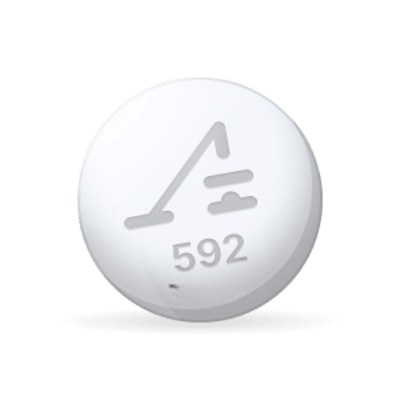
Tizanidine
5 customer reviewsTizanidine is a centrally acting muscle relaxant containing tizanidine. It is used for people with spasticity related to neurological conditions such as multiple sclerosis, spinal cord injury, or stroke. It works as an alpha-2 adrenergic agonist to reduce spinal nerve signaling that drives involuntary muscle tightening.
What is it?
Tizanidine is a muscle relaxant, and it is classed as a centrally acting muscle relaxant because it works mainly in the brain and spinal cord rather than directly on the muscle. Pharmacologically, it is a short-acting alpha-2 adrenergic agonist used to manage increased muscle tone, spasms, and spasticity in people with neurological conditions.
It is usually chosen when spasticity is interfering with function (walking, transfers, sleep) or causing pain from sustained tightness, and when a short-acting option is preferred for symptom “windows” during the day.
Composition
The active substance is tizanidine (as tizanidine hydrochloride), a centrally acting alpha-2 adrenergic agonist. It is supplied as oral tablets, commonly in 2 mg and 4 mg strengths.
Each tablet also contains inactive excipients that give it form and stability — typically fillers and binders such as microcrystalline cellulose, anhydrous lactose, silica, stearic acid, and magnesium stearate. Exact excipients vary by manufacturer and strength, so check the leaflet if you have known excipient sensitivities, including lactose intolerance.
How to use?
Tizanidine on this page is supplied as pills for oral use. The active drug is tizanidine (often written in references as tizanidine hydrochloride). Dosing is individualized to symptom severity, timing of spasms, and tolerability, and clinicians usually start low and titrate upward.
A common clinical approach is to begin at 2 mg taken 2–3 times daily, then increase gradually based on response and adverse effects. Many prescribers advise taking it with food or immediately after a meal, since consistent food timing can reduce unpredictable swings in effect for some patients [2].
If you miss a dose, skip it and take your next dose at the scheduled time. Doubling up tends to cause a “double penalty” of sedation and low blood pressure.
How does it work?
- Route: Oral (tablets)
- Initial dose (adults): 2 mg up to 3 times/day
- Titration: Increase by 2–4 mg per dose at intervals of 1–4 days based on response and tolerability
- Usual dosing range: 2–8 mg per dose, up to 3 times/day
- Maximum daily dose: 36 mg/day
- Timing: May be taken with or without food, but take the same way each time; if drowsiness occurs, take the larger dose in the evening/at bedtime
- Duration: Use the lowest effective dose; reassess need periodically and adjust
- Stopping: If used regularly or at higher doses, taper gradually rather than stopping abruptly
Indications
Tizanidine is a centrally acting muscle relaxant used to treat spasticity linked to neurological conditions such as multiple sclerosis, spinal cord injury, or stroke. It works by reducing nerve signals in the spinal cord that drive involuntary muscle tightening. It can ease spasms and stiffness, but sedation and dizziness are common, so dosing is usually titrated carefully.
Comparison
Tizanidine is one of several medications that relax muscles, and each option fits different patient needs.
Here is how clinicians often differentiate common alternatives:
- Baclofen (muscle relaxant): frequently used for spasticity in multiple sclerosis or spinal cord injury; can cause sedation and weakness, and withdrawal can be significant if stopped suddenly.
- Cyclobenzaprine (muscle relaxant): often used for short-term painful muscle spasm; tends to be more sedating and anticholinergic (dry mouth, constipation) in some patients.
- Clonidine / Guanfacine (alpha-2 agonists): share some pharmacology with Tizanidine and can lower blood pressure; they are used more often for other indications, but the overlap matters when considering sedation and hypotension.
- Metaxalone (muscle relaxant): sometimes chosen for muscle spasm pain; sedation still occurs, and it may not be as targeted for neurologic spasticity.
- Chlorzoxazone (muscle relaxant): used for musculoskeletal spasm; can add sedation if combined with other central relaxants.
- Diazepam (Valium) (benzodiazepine): effective for muscle spasm but carries higher risks of dependence, next-day sedation, and impaired coordination.
- Amitriptyline: not a classic muscle relaxant; it can help some chronic pain patterns and sleep, but anticholinergic effects can limit use.
Tizanidine vs common alternatives
| Medicine | Typical role | Common limiting effects |
|---|---|---|
| Tizanidine | Neurologic spasticity with flexible, short-acting dosing | Drowsiness, dizziness, hypotension, dry mouth |
| Baclofen | Spasticity from MS/spinal cord conditions | Weakness, sedation; withdrawal if stopped abruptly |
| Cyclobenzaprine | Short-term painful muscle spasm | Sedation, dry mouth, constipation |
A real-world nuance: switching between muscle relaxants is often about side-effect “fit” rather than potency. If daytime functioning matters most, clinicians may choose the option that causes the least next-day impairment for that person, even if spasm reduction is similar.
Contraindications
- Known hypersensitivity to tizanidine or tablet excipients
- Severe liver dysfunction
- Concomitant use of strong CYP1A2 inhibitors (e.g., fluvoxamine, ciprofloxacin)
- Pregnancy or breastfeeding (unless specialist risk–benefit decision)
- Significant bradycardia or symptomatic arterial hypotension that is not controlled
Not recommended for
Avoid Tizanidine and speak to your prescriber if you have had an allergic reaction to it, if you have serious liver problems, or if you take certain antibiotics or antidepressants that strongly interact (such as ciprofloxacin or fluvoxamine). It may also not be suitable if you are pregnant or breastfeeding, or if you already struggle with very low blood pressure or a very slow heart rate, because it can worsen dizziness, fainting, and drowsiness.
Side effects
Drowsiness (somnolence) is the side effect I see drive most early discontinuations, followed by dizziness and dry mouth. Fatigue and weakness are also common, and some people notice low blood pressure (hypotension) with lightheadedness on standing. A slower heart rate (bradycardia) can occur, especially in people prone to low pulse or who combine it with other medicines that reduce heart rate.
Serious reactions are uncommon, but they matter: fainting, very slow pulse, severe weakness, confusion, yellowing of eyes/skin (possible liver injury), or breathing slowing when combined with other sedatives should trigger urgent medical review.
Practical ways patients reduce side-effect burden:
- Rise slowly from sitting or lying down to limit dizziness from hypotension.
- Sip water frequently or use sugar-free gum for dry mouth.
- Avoid alcohol and other CNS depressants, which can amplify sedation.
- Keep dose changes spaced out so you can link side effects to a specific increase.
Sedation is common.
Dry mouth is annoying.
Dizziness can be limiting.
Common mistakes
Small missteps with Tizanidine can create big side effects.
- Taking an extra dose to “catch up” after a missed dose, then feeling wiped out or dizzy for hours.
- Mixing it with alcohol or diazepam/Valium for sleep and being surprised by heavy sedation.
- Standing up quickly at night after a dose and fainting from hypotension.
- Treating dry mouth by using sugary candies all day and ending up with mouth irritation or dental issues.
- Stopping abruptly after regular use and feeling rebound symptoms; prescribers often taper to reduce withdrawal-type effects.
Doctor opinions
In neurological rehab and pain clinics, prescribers often position Tizanidine as a targeted spasticity tool: useful when muscle overactivity is the problem, less useful when pain is primarily inflammatory or structural. Clinicians also watch for a predictable pattern: if a patient reports “it helped the spasm but I felt faint,” the next step is often dose timing and slower titration, not abandoning the medication. Another frequent observation is that people with high baseline spasticity may need symptom-specific dosing (for evenings, physiotherapy sessions, or transfers) rather than a uniform schedule. Liver safety is also part of real practice; many prescribers check liver enzymes when doses rise or if symptoms suggest hepatic stress. This monitoring mindset is consistent with regulator-reviewed product safety information used in routine care pathways, including in EMA-reviewed materials [3].
Frequently asked questions
Can I drive after taking Tizanidine?
Driving and operating machinery are high-risk during initiation and after dose increases because somnolence and slowed reaction time can occur. Many people can predict their “drowsy window” after a few carefully planned doses, but you should assume impairment until you know your response. This is the same practical safety advice clinicians give for many CNS-active medicines. WHO medication-safety materials updated in 2026 continue to flag sedation as a key contributor to injury risk with centrally acting drugs [5].
Is it okay to drink alcohol with Tizanidine?
Alcohol is a CNS depressant, so combining it with Tizanidine can amplify sedation, dizziness, and coordination problems. It can also worsen hypotension, which increases fall and fainting risk. For many patients, the combination is the difference between mild sleepiness and being unable to stay awake. In 2026, MOHAP-aligned counseling for sedating medicines in outpatient settings still emphasizes avoiding additive depressants when starting therapy.
Can Tizanidine cause low blood pressure?
Yes. Hypotension is a known effect, and it tends to show up most when you stand up quickly, after a dose increase, or when combined with antihypertensives. Symptoms include lightheadedness, blurred vision, and near-fainting. If you have repeated episodes, prescribers often adjust timing, reduce dose, or review interacting medicines rather than pushing through. EMA safety documentation continues to list hypotension and bradycardia as clinically relevant adverse effects in 2026.
Do I need to taper Tizanidine when stopping?
Abrupt stopping after regular use can lead to rebound symptoms in some patients, such as increased muscle tightness and changes in blood pressure or pulse. Many prescribers prefer a gradual reduction, especially if higher or frequent dosing has been used. A taper also helps you separate “return of spasticity” from “withdrawal-like” effects. WHO 2026 guidance on safe medication use supports planned discontinuation for centrally acting medicines when clinically appropriate.
When should I seek urgent medical help while using Tizanidine?
Seek urgent help for fainting, very slow heartbeat, severe weakness, confusion, trouble breathing, or signs of liver injury like yellow eyes/skin or dark urine. These are not routine side effects and need timely assessment. Also treat falls with head injury as urgent, since sedation and hypotension can contribute to serious trauma. In 2026, MOHAP patient-safety messaging continues to prioritize early escalation for red-flag symptoms rather than self-adjusting doses.
Do you offer anonymous delivery?
 Front view
 Side view
 Back view
Your order will be securely packed and shipped within 24 hours. This is exactly what your package will look like (images of an actual item sent). It has the size and look of a regular private letter (9.4x4.3x0.3 in. or 24x11x0.7 cm) and its contents cannot be seen.
Tizanidine — Comparison with alternatives

Tizanidine Current Best rated

Lioresal

Robaxin Best price

Skelaxin

Baclofen
Managing Unused Tizanidine
Keep unused Tizanidine stored at room temperature, protected from light and moisture, and out of reach of children. Avoid keeping tablets in a hot car or humid bathroom cabinet; both heat and moisture can degrade tablets and alter how they break down.
For disposal, the safest approach is to use an approved medication take-back option where available, since it reduces accidental ingestion and environmental contamination. If a take-back route is not available, follow local municipal guidance for household medication disposal to keep it away from children, pets, and water systems.
Reviews and Experiences
Sources
- European Medicines Agency (EMA) (2026). Tizanidine: Summary of Product Characteristics (SmPC). ↑
- National Institutes of Health, PubMed (2025). Food effects and pharmacokinetics of tizanidine: clinical review summary. ↑
- European Medicines Agency (EMA) (2026). Tizanidine: Risk management and safety profile overview. ↑
- MOHAP (Ministry of Health and Prevention) (2026). Medication reconciliation and patient counseling guidance for outpatient prescribing. ↑
- World Health Organization (WHO) (2026). Medication Safety in Primary Care: sedating medicines and injury prevention. ↑
