

Antabuse - Disulfiram
4 customer reviewsAntabuse is an oral medicine containing disulfiram. It is for adults being treated for alcoholism who have already stopped drinking and want support to stay abstinent. It blocks aldehyde dehydrogenase so alcohol causes an unpleasant reaction that deters relapse.
What is it?
Antabuse is a brand name for disulfiram, used in alcohol addiction treatment as a deterrent to drinking. In practice, disulfiram therapy is most useful when a person has already completed detox and is committed to abstain from alcohol, because the benefit is behavioural: it creates a strong reason to avoid “just one drink.” This places it in General Medicine on many formularies, since it’s a medication used to support long-term management rather than to treat acute withdrawal.
Disulfiram works by blocking the enzyme that metabolizes alcohol (aldehyde dehydrogenase). When alcohol is consumed, acetaldehyde builds up in the blood and produces an aversive reaction—flushing, nausea, vomiting, pounding heartbeat, chest discomfort, shortness of breath, and anxiety—often starting within minutes and lasting for hours. The body essentially “punishes” alcohol intake, and over time many patients develop a strong psychological aversion to alcohol because they can predict the reaction. This is why Antabuse is a deterrent, not a cure for alcoholism or alcohol use disorder. [1]
One sentence I say often: Antabuse works when you don’t drink.
Another key point: it does not reduce withdrawal symptoms.
Doctor perspectives from clinical practice
In clinic, prescribers often see the best outcomes when Antabuse is taken with a clear routine (same time daily) and accountability (a partner, family member, or structured program). The medication’s deterrent effect is strongest when the patient expects real consequences from alcohol and has already decided that abstinence is the goal, not moderation. Some clinicians use disulfiram as a “high-risk period” tool—early recovery, business travel, weddings, holidays—then reassess once coping skills and supports are stronger. Guidance across evidence-based alcohol care pathways keeps emphasising that medication works best when paired with counselling or behavioural therapy, not as a standalone fix. [2]
Composition
Antabuse tablets contain the active substance disulfiram. Excipients vary by manufacturer and may include tablet fillers, binders, and disintegrants; check the specific product leaflet for the full ingredient list if you have allergies or intolerances.
How to use?
Practical administration points that improve day-to-day success:
- Start only after you have been alcohol-free for at least 24 hours.
- Take the tablet in the morning with water, unless your prescriber selected another schedule.
- If you miss a dose, take it as soon as you remember; if more than 12 hours have passed, skip it and resume your usual schedule—do not double up.
- Keep follow-up appointments for liver monitoring and symptom review.
How does it work?
- Route/form: oral tablets (swallow with water)
- Starting dose: 500 mg once daily (usually in the morning) for 1–2 weeks
- Maintenance dose: 250 mg once daily; typical range 125–500 mg/day as prescribed
- Timing with meals: take with or after food if stomach upset occurs
- Duration: continue daily for months to years as directed; do not stop without prescriber advice
- Alcohol avoidance: do not take any alcohol (including in foods/medicines) during treatment and for up to 14 days after the last dose
Indications
Antabuse, with the active ingredient disulfiram, is an oral medication used as a deterrent to drinking alcohol in people being treated for alcoholism. It is for adults who have already stopped drinking and want an added “barrier” against relapse.
Comparison
Antabuse is the brand name, and disulfiram is the generic active ingredient. Pharmacologically, the effect comes from disulfiram itself: the same enzyme blockade and the same disulfiram–alcohol reaction risk. Differences between brand and generic products usually relate to inactive ingredients and tablet appearance, not to the core mechanism.
If you’re choosing based on outcomes, focus on adherence and safety screening rather than the name on the box.
Antabuse is one option inside alcohol addiction treatment, and it fits a specific profile: people aiming for abstinence who benefit from a strong deterrent. Other evidence-based Alcohol De Addiction Medicine options include naltrexone and acamprosate, which work differently and can suit different goals.
Here is a practical comparison clinicians use when choosing:
| Option | How it helps | Typical fit |
|---|---|---|
| Antabuse (disulfiram) | Deterrent to drinking via aversive reaction if alcohol is consumed | Best when abstinence is the goal and adherence is reliable |
| Naltrexone | Reduces the rewarding effect of alcohol and can reduce cravings | Useful when cravings drive relapse; can fit reduction goals in selected patients |
| Acamprosate | Helps stabilise brain signalling after stopping alcohol | Often used to support abstinence after detox; works best with steady daily dosing |
Contraindications
- Severe heart disease (including coronary insufficiency) or a history of myocardial infarction
- Severe liver disease (hepatitis or cirrhosis)
- Significant kidney impairment
- Psychosis or severe cognitive impairment
- Allergy to disulfiram or thiuram derivatives
- Pregnancy or breastfeeding
Important drug interactions to screen carefully:
- Metronidazole: avoid combining due to risk of confusion and psychotic reactions.
- Phenytoin: levels can rise; toxicity risk increases unless levels are monitored.
- Anticoagulants (e.g., warfarin): anticoagulant effect can increase; INR monitoring and dose adjustment may be needed.
Not recommended for
Antabuse is not for you if you have severe heart disease, severe liver disease, or a history of psychosis. Do not use if you are intoxicated with alcohol, have recently used alcohol-containing products, or if you are allergic to disulfiram. Avoid use during pregnancy or breastfeeding unless your prescriber determines the benefit outweighs the risk. Tell your prescriber about all medicines you take, especially certain antibiotics and anticoagulants such as warfarin, because serious interactions can occur.
Side effects
Antabuse can cause side effects even without alcohol. Common complaints include a metallic/garlic taste, headache, tiredness, mild skin rash or itching, drowsiness, and reduced concentration. Sexual side effects (lower libido or erectile difficulties) are also reported by some patients, and they can be mistaken for “stress” when they are medication-related.
Antabuse-triggered anxiety is a real pattern I see: some people feel keyed up or uneasy early on, even when abstinent. It can be hard to separate from baseline anxiety during recovery, so tracking when symptoms appear (after dosing, or during cravings) helps the prescriber adjust the plan.
The main safety risk is the interaction with alcohol. When alcohol is consumed, the disulfiram–alcohol reaction may include:
- intense flushing and warmth
- severe nausea and vomiting
- rapid heartbeat (tachycardia), chest pain, low blood pressure
- shortness of breath, dizziness, weakness, panic-like feelings
This reaction can last for hours, and it can become dangerous in people with heart disease or significant medical comorbidity. Alcohol can be “hidden,” too—cooking wines, some desserts, some sauces, and certain liquid medicines. [3]
Common mistakes
People do not fail Antabuse; routines fail people.
Mistakes I see repeatedly:
- Starting too soon after alcohol. Even if you feel sober, residual alcohol can trigger a reaction.
- Testing the reaction on purpose. Some patients “sip to see.” The reaction can be stronger than expected and is not predictable.
- Ignoring alcohol in everyday products. Mouthwash and some cough syrups are frequent triggers.
- Skipping doses on “safe days.” Antabuse is most protective when taken consistently; stop-start use invites relapse.
- Not disclosing interacting medicines. A classic example is metronidazole; the combination can cause severe neuropsychiatric effects.
A human detail that surprises people: disulfiram’s deterrent effect can persist after stopping, because enzyme activity takes time to recover. This is why prescribers advise continued alcohol avoidance for a period after the last dose.
Doctor opinions
In clinic, prescribers often see the best outcomes when Antabuse is taken with a clear routine (same time daily) and accountability (a partner, family member, or structured program). The medication’s deterrent effect is strongest when the patient expects real consequences from alcohol and has already decided that abstinence is the goal, not moderation. Some clinicians use disulfiram as a “high-risk period” tool—early recovery, business travel, weddings, holidays—then reassess once coping skills and supports are stronger. Guidance across evidence-based alcohol care pathways keeps emphasising that medication works best when paired with counselling or behavioural therapy, not as a standalone fix. [2]
Frequently asked questions
How fast does Antabuse react if alcohol is consumed?
In most people, the disulfiram–alcohol reaction starts within about 10–30 minutes of drinking alcohol, with flushing, nausea, headache, and a fast heartbeat. The intensity varies with alcohol amount and individual sensitivity, and symptoms can last several hours. EMA safety reviews describe this as a predictable pharmacologic reaction from acetaldehyde accumulation rather than an allergy. [5]
Does Antabuse reduce alcohol cravings?
Antabuse does not directly “switch off” cravings the way anti-craving medicines aim to do. Its main benefit is deterrence: patients often describe fewer impulsive slips because they anticipate the aversive reaction. Many treatment programs pair it with counselling to build coping skills for cravings rather than expecting the tablet to remove them.
How long should I be alcohol-free before starting Antabuse?
A common clinical rule is at least 24 hours without alcohol before the first dose, since residual alcohol can trigger a reaction. People with slow alcohol clearance, liver disease, or recent binge drinking may need longer, and clinicians base this on history and medical assessment. MOHAP-aligned practice in 2026 stresses confirming abstinence and reviewing all alcohol-containing products before initiating therapy.
Can I drink “non-alcoholic” beer or use alcohol-based mouthwash on Antabuse?
Products marketed as non-alcoholic can still contain small amounts of alcohol, and alcohol-based mouthwashes are a frequent trigger for flushing and nausea in sensitive patients. The reaction is dose-related, so tiny exposures may cause mild symptoms while larger exposures can become severe. WHO patient education materials for alcohol use disorder in 2026 continue to highlight hidden alcohol sources as a preventable cause of adverse reactions.
Is Antabuse appropriate if I have depression or anxiety?
It can be used in some people with depression or anxiety, but history matters: Antabuse is contraindicated in psychosis, and mood symptoms can fluctuate in early abstinence. Some patients experience Antabuse-triggered anxiety or sleep disturbance early on, and prescribers may adjust timing or the overall plan. The key clinical step is to separate withdrawal-related symptoms from medication effects and treat both.
Do you offer anonymous delivery?
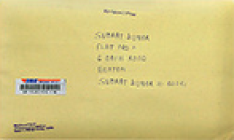 Front view
 Side view
 Back view
Your order will be securely packed and shipped within 24 hours. This is exactly what your package will look like (images of an actual item sent). It has the size and look of a regular private letter (9.4x4.3x0.3 in. or 24x11x0.7 cm) and its contents cannot be seen.
Antabuse — Comparison with alternatives
Antabuse Current Best price Best rated

Prednisone

Ofev

Trusopt

Cytomel
Reviews and Experiences
Sources
- European Medicines Agency (EMA) (2026). Disulfiram: Summary of Product Characteristics (SmPC). ↑
- World Health Organization (WHO) (2026). Guidelines for the Identification and Management of Substance Use and Substance Use Disorders in Health Care Settings. ↑
- Cleveland Clinic (2026). Disulfiram Tablets: Uses, Interactions, and Side Effects. ↑
- MOHAP (Ministry of Health and Prevention) (2026). Medication Safety: Managing Drug Interactions and High-Risk Medicines. ↑
- European Medicines Agency (EMA) (2026). Disulfiram: Risk Information and Patient Safety Considerations. ↑
