Verified
I used it on eyelids and neck during a flare. First two nights it burned for about 15 minutes, then it settled. By the end of week two the itching was much calmer and I slept better.
19 Oct 2025

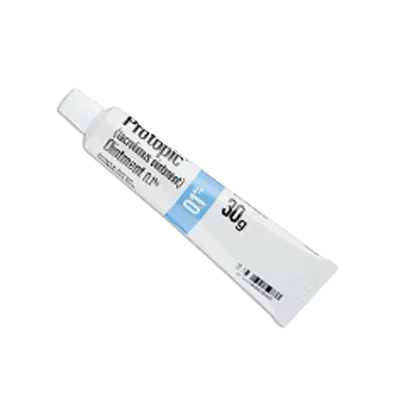
Protopic is a topical ointment containing tacrolimus. It is used for adults and children with moderate to severe atopic dermatitis when other treatments are not suitable. It helps reduce skin inflammation by calming overactive immune signalling in affected areas.
Protopic is a topical calcineurin inhibitor, which means it reduces skin inflammation by modulating immune activity rather than suppressing it with a steroid. The active ingredient, tacrolimus, is an immunomodulating agent: it “turns down” abnormal immune signals in eczema-prone skin so flare symptoms settle.
At the cellular level, tacrolimus binds to cytosolic receptors inside immune cells in the skin, then forms complexes that inhibit calcineurin-dependent pathways. This reduces T-lymphocyte activation and decreases the production of inflammatory cytokines. Less cytokine signalling usually means less redness, less itchiness, and less heat in the patch of dermatitis. This mechanism is described in regulatory-reviewed summaries for topical tacrolimus [1].
Two quick expectations help set realistic results. The first is that a mild burning or tingling sensation can happen early on. The second is that Protopic is meant to control inflammation; it does not “replace” moisturiser as the barrier-repair step.
Active ingredient: tacrolimus (as tacrolimus monohydrate). Ointment strengths: 0.03% (0.3 mg/g) and 0.1% (1 mg/g). Excipients include mineral oil/paraffin base, white soft paraffin, propylene carbonate, and emulsifying waxes.
Use Protopic only on affected skin areas with active eczema or areas your clinician has identified as flare-prone.
A practical routine many dermatology patients follow:
Common dosing patterns in dermatology include applying tacrolimus ointment twice daily during flares until the skin clears, then switching to a prevention schedule for areas that relapse. Your dermatologist may tailor the plan for adults vs children, and for sensitive sites like eyelids.
Three short cautions. Do not bandage over it. Do not use on infected skin. Avoid tanning and sunbeds.
Protopic is used to treat moderate to severe atopic dermatitis (eczema), a chronic condition where the skin barrier is fragile and the immune system overreacts to triggers. Atopic dermatitis causes skin inflammation, and that inflammation shows up as itchiness, redness, dryness, scaling, and sometimes thickened patches from scratching.
In clinical practice, Protopic is often chosen when:
Tacrolimus ointment is used to treat moderate to severe atopic dermatitis in adults, and it is also used for atopic dermatitis in children under clinician guidance [2].
One sentence that matters: Protopic treats inflammation, not infection.
Clinicians typically match strength to age and severity:
The reference brand for tacrolimus ointment has been manufactured by LEO PHARMA A/S in many markets, and tacrolimus may be present as tacrolimus monohydrate in some registrations. MOHAP, EMA, and other regulators use the same pharmacological classification for topical tacrolimus products.
Protopic is one of the main non-steroid eczema medications used when topical corticosteroids are unsuitable or when long-term control on sensitive sites is needed. Conventional therapies for eczema include topical corticosteroids, which work through glucocorticoid receptors to reduce inflammation.
Here’s the decision point most clinicians use: steroids can be excellent for short bursts, but they can thin skin with prolonged or high-potency use on delicate areas; tacrolimus avoids steroid-related skin atrophy, yet it can sting early and needs careful sun habits.
| Treatment type | Mechanism of action | Main trade-offs |
|---|---|---|
| Protopic (tacrolimus ointment) | Topical calcineurin inhibitor; reduces T-cell activation and cytokine production | Early burning/tingling is common; sun sensitivity precautions; not for infected lesions |
| Topical corticosteroids | Anti-inflammatory via glucocorticoid receptor effects | Risk of skin thinning, striae, and perioral dermatitis with prolonged use on thin skin; potency selection matters |
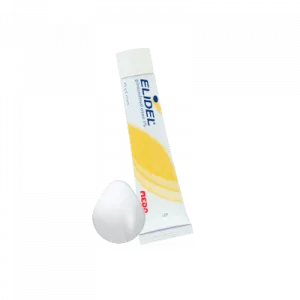
| Elidel (pimecrolimus cream) | Topical calcineurin inhibitor (same class) | Often used for milder disease or sensitive areas; may be less potent than tacrolimus for severe flares |
MOHAP and EMA safety communications around topical calcineurin inhibitors emphasise appropriate selection, correct use on eczema (not infections), and UV precautions [3].
A common proactive schedule is twice weekly application to previously affected sites, paired with daily moisturising. The logic is simple: eczema inflammation can restart under the surface before the rash is visible, so low-frequency maintenance can reduce rebound.
Do not use Protopic if you are allergic to tacrolimus or any ingredient in the ointment. Do not apply it to areas with an active skin infection such as oozing crusts, rapidly spreading patches, herpes-type blisters, or chickenpox. If you have a genetic skin condition such as Netherton syndrome, or a current or past skin cancer concern, you need specialist advice before using it.
Less common effects include viral skin infections (eczema herpeticum can be serious), crusting, or worsening irritation if Protopic is applied over broken, infected, or heavily scratched skin. Systemic-type symptoms like headache, runny nose, muscle aches, reduced appetite, or swollen lymph nodes have been reported, but topical tacrolimus generally results in low systemic absorption when used as directed.
Sun and heat are a practical issue. Treated areas can feel more reactive to temperature changes, and UV exposure can worsen irritation in active eczema. Dermatologists usually advise avoiding deliberate UV exposure on treated skin and using protective clothing on flare sites.
A nuance from real-world use: alcohol can trigger facial flushing or warmth in some people using topical tacrolimus, even if the ointment is applied elsewhere.
A few mistakes show up again and again, and they are fixable.
One more practical pitfall: applying moisturiser immediately on top of Protopic can smear it away from the hotspot and onto normal skin, which increases burning without improving eczema control.
Another consistent observation is behavioural: patients who moisturise regularly need less Protopic over time, because the barrier is less leaky and triggers penetrate less easily. The flip side is real too: some patients stop after two applications because of burning, then conclude it “didn’t work,” when the burning is often a short-lived start-up effect rather than an allergy.
MOHAP-aligned care pathways also push clinicians to screen for infection first; if a patch is weeping, honey-coloured crusted, or rapidly spreading, treating inflammation alone is rarely enough.
Yes, Protopic is commonly used on facial eczema, including delicate areas where topical corticosteroids can cause problems with repeated use. Expect more stinging on thin facial skin during the first days, especially if the barrier is very inflamed. Avoid applying to actively infected lesions (for example, herpes) on the face. In 2026 clinical guidance used across many dermatology services aligns with EMA positioning for sensitive-site eczema management.
Long-term management often uses a proactive approach (for example, twice weekly on flare-prone areas) after the rash settles, rather than continuous daily use for months. This reduces flare frequency while limiting irritation and total exposure. Local side effects (burning, folliculitis) are usually the limiting factor, not systemic toxicity, when used appropriately. In 2026, MOHAP-aligned prescribing continues to treat topical tacrolimus as a maintenance option when steroid risks on delicate skin are a concern.
Apply the next dose when you remember, then continue your usual schedule. Doubling up tends to increase burning without improving control. If you miss several days and the flare restarts, many clinicians return to a short flare-control pattern before going back to prevention. This approach matches standard atopic dermatitis action plans referenced in WHO-oriented chronic skin care education materials updated in 2025–2026.
They can be used in the same overall treatment plan, but clinicians often assign clear roles: corticosteroids for short bursts on thicker plaques, and Protopic for sensitive areas or maintenance. Applying both to the same exact patch at the same time can raise irritation and makes it hard to judge which product caused a reaction. Many dermatologists also stagger timing (morning vs night) to keep application simple. This combined strategy is consistent with eczema step-therapy described in NICE guidance used internationally in 2025–2026 practice.
Some people feel itch reduction within a few days, while visible redness and thickening can take longer because skin repair lags behind inflammation control. Early burning does not predict failure; it often fades as the skin barrier improves. If symptoms worsen steadily for a week, infection or contact dermatitis should be considered. This response timeline is consistent with EMA-reviewed product information for topical tacrolimus.
Yes, and most dermatologists treat moisturiser as the “base layer” of eczema care to reduce dryness and barrier leakiness. The spacing matters: apply moisturiser, wait 20–30 minutes, then apply Protopic to the active sites so you do not dilute the ointment. If your moisturiser stings on broken skin, switch to a bland, fragrance-free emollient until the flare settles. WHO eczema education materials updated in 2025–2026 keep moisturising as a core non-drug intervention alongside anti-inflammatory therapy.
Your order will be securely packed and shipped within 24 hours. This is exactly what your package will look like (images of an actual item sent). It has the size and look of a regular private letter (24x11x0.7 cm) and its contents cannot be seen.