

Vaniqa
5 customer reviewsVaniqa is a prescription topical cream containing eflornithine hydrochloride. It is for adult women with unwanted facial hair growth. It works by inhibiting a hair-follicle enzyme to slow new hair production and reduce regrowth.
What is it?
Vaniqa is a medicated topical prescription cream used to slow unwanted facial hair growth in adult women. You may see it described clinically as Vaniqa 11% Cream, and it is a topical preparation applied directly to the skin rather than taken by mouth. It does not “pull out” existing hair; it reduces the speed at which new hair is produced at the follicle level. EMA-reviewed product information describes eflornithine’s local action on the follicle’s biochemical pathway rather than a systemic hormonal effect. [1]
The phrase you may come across online, “Vaniqa Cream Tablet Composition,” is a misunderstanding: Vaniqa is a cream in tubes, not a tablet. What matters for results is the active ingredient delivered to hair follicles in the treated area.
Understanding Eflornithine Hydrochloride
Eflornithine hydrochloride is the active ingredient in Vaniqa. Inside hair follicles there are hair growth enzymes that help drive the rapid cell activity needed to produce a hair shaft. Eflornithine inhibits one key enzyme (ornithine decarboxylase), which lowers follicle activity and slows the process of new hair growth. Think of it as turning down the follicle’s “production speed,” not removing hair that is already there.
Composition
Active substance: eflornithine (as eflornithine hydrochloride) 11.5% w/w (115 mg/g) in cream. Excipients commonly include purified water, cetyl alcohol, ceteareth-20, stearyl alcohol, propylene glycol, liquid paraffin, dimethicone and preservatives to stabilise the formulation.
How to use?
Apply Vaniqa as a thin layer to clean, dry skin on the affected facial area. Let it dry before applying moisturiser, sunscreen, or makeup. Use it consistently, because the enzyme inhibition effect depends on regular exposure at the follicle.
A simple routine many clinicians recommend:
- Apply a thin layer, rub in well, and wash hands after application.
- Use it twice daily, spaced apart (at least 8 hours).
- Do not wash the treated area for a minimum of 4 hours after application.
- If you remove facial hair, do it first, then apply Vaniqa once the skin has calmed (avoid applying immediately onto irritated, freshly waxed skin).
Short sentences help here. Consistency beats intensity. Expect gradual change.
Twice-daily use is the standard regimen for Vaniqa in clinical practice, and it usually takes weeks to see a visible difference in growth rate. People often stop too early, then assume it failed. Dermatology guidance used in routine practice treats the 8-week mark as a realistic first checkpoint for response, then reassesses technique, irritation triggers, and underlying hormonal causes if progress is limited. [2]
Post-Application Care
The “minimum 4 hours before washing” rule is not cosmetic. It gives the topical preparation time to penetrate into the follicle opening and act where hair growth enzymes are active. Washing too soon is one of the fastest ways to get weak results while still experiencing irritation.
How does it work?
- Route/form: topical cream applied to facial skin (upper lip, cheeks, chin, under chin).
- Strength: eflornithine 11.5% w/w (115 mg/g).
- Dose per application: apply a thin layer to affected areas and rub in well.
- Frequency: 2 times/day, with at least 8 hours between applications.
- Timing: apply at consistent times (e.g., morning and evening); may be used regardless of meals.
- After application: avoid washing the treated area for at least 4 hours; if cosmetics/sunscreen are used, apply them after the cream has dried.
- Duration: reassess response after 8 weeks; continued use is needed to maintain effect and hair growth may return within weeks after stopping.
Indications
Vaniqa is a prescription topical treatment containing eflornithine hydrochloride, designed to slow down and reduce unwanted facial hair growth in adult women. It is used for facial areas such as the upper lip, chin, and parts of the neck.
Comparison
There are several alternatives for facial hair removal and facial hair reduction, and many women use a combination. Mechanical methods (threading, shaving, waxing) remove hair that already exists. Device-based methods (laser) target follicles more deeply but need multiple sessions and have skin-type considerations. Chemical depilatory creams dissolve hair shafts at the surface, which is fast but can irritate sensitive facial skin.
Vaniqa sits in a different niche: an active topical agent that slows regrowth, often used alongside temporary removal methods.
Comparison Table: Vaniqa vs. Other Facial Hair Treatments
| Option | What it does | What to expect |
|---|---|---|
| Vaniqa (topical preparation) | Inhibits a follicle enzyme to slow regrowth | Gradual facial hair reduction; needs ongoing use |
| Depilatory creams | Dissolves visible hair shaft at the skin surface | Quick smoothing; no effect on regrowth rate; irritation risk on face |
| Laser hair reduction | Uses light energy to damage follicles | Longer-term reduction after multiple sessions; results vary by hair/skin type |
Contraindications
- Hypersensitivity/allergy to eflornithine hydrochloride or any cream components
- Use in children
- Use in men
- Application to broken, severely irritated, or infected facial skin (until healed)
- Situations where a clinician has advised avoiding topical facial medicines (for example after certain procedures)
Not recommended for
Avoid Vaniqa if you have ever had an allergic reaction to it, if the user is not an adult woman, or if the skin where you would apply it is broken, infected, or very irritated. Do not apply it right after procedures or hair removal that has left the area inflamed. Speak with a clinician before use if you are pregnant, trying to conceive, or breastfeeding, as decisions should weigh cosmetic benefit against limited data.
Side effects
Most side effects from Vaniqa are local skin reactions. They tend to cluster in the first weeks, when skin is adjusting and users are still experimenting with routines. The most common issues reported in practice are mild irritation, redness, burning or stinging, dryness, and acne-like bumps in the treated area.
One-sentence reality check: irritation usually improves when technique improves.
Common Side Effects
Typical, non-dangerous effects include:
- Redness, burning, stinging, or tingling after application
- Dryness, flaking, or itching
- Acne or folliculitis-like bumps
- Temporary rash in sensitive skin
If irritation is persistent, clinicians often reduce exposure to other actives, simplify cleansers, and avoid applying immediately after hair removal. These steps solve most cases without abandoning treatment.
Common mistakes
Small errors create big disappointment with Vaniqa.
- Applying too much cream, thinking more equals faster change; excess often raises redness without improving follicle penetration.
- Washing the area soon after application, or using foaming cleansers that strip the barrier and increase stinging.
- Starting right after waxing or threading when the skin is already inflamed, which can trigger burning and early discontinuation.
- Using Vaniqa on non-facial body areas; it is intended for facial use in adult women.
- Stopping as soon as hair looks better, then being surprised when growth returns within weeks.
Doctor opinions
Doctors usually position Vaniqa as a “regrowth control” tool. It fits best when you want fewer touch-ups, not when you want immediate hair removal. Dermatologists also like that it stays local, so it avoids the blood-pressure, potassium, or pregnancy-related constraints that can limit oral anti-androgen options in some patients.
- Expect a delayed payoff; early weeks are about building consistency.
- Treat irritation early with gentler cleansing and simpler moisturisers.
- If there is PCOS, address the hormonal side too, because the follicle stimulation remains in the background even while Vaniqa slows the enzyme step.
A real clinic pattern: if a patient reports “it did nothing,” the first check is timing (washing within 4 hours), then layering (acids/retinoids applied right on top), then use on broken or freshly waxed skin.
Frequently asked questions
Do I need a prescription for Vaniqa Cream?
In the UAE, Vaniqa is treated as a prescription topical medicine, so it is typically supplied based on a clinician’s prescription and clinical suitability. This is mainly because it contains eflornithine hydrochloride, an active drug with defined indications and precautions. MOHAP’s 2026 approach to prescription control focuses on appropriate use, medical oversight, and avoiding use in groups where safety data is limited. [5] If facial hair is linked to PCOS, prescribing also gives a chance to address the underlying hormonal pattern.
Can Vaniqa be used with other facial hair removal methods?
Yes, Vaniqa is commonly combined with facial hair removal methods such as shaving, threading, waxing, electrolysis, or laser, because it targets regrowth rather than removing existing hair. The practical rule used in dermatology is to avoid applying onto freshly irritated skin, since that increases burning and rash risk. EMA product information for eflornithine supports continued use alongside physical removal, since Vaniqa does not remove the hair shaft already present. Many women apply Vaniqa after shaving once the skin is calm and dry.
Is Vaniqa suitable for all skin types?
Most skin types can use Vaniqa, but sensitive or acne-prone skin may react with stinging, redness, or spots. Patch testing on a small area for several days is a common dermatology approach when a patient has a history of facial irritation. NICE 2025 acne and topical-therapy advice often applies here too: reduce “stacking” multiple irritating actives and keep the barrier supported with gentle moisturisers. If you have eczema on the face, control the eczema first before starting.
Will Vaniqa remove hair permanently?
No. Vaniqa slows new growth, so it supports facial hair reduction while you keep using it, and regrowth tends to return after stopping. This is consistent with the mechanism: eflornithine inhibits a follicle enzyme step, and once the inhibition stops the follicle activity rises again. EMA summaries describe the effect as reversible and local. If your goal is longer-term reduction, clinician-guided options like laser can be discussed alongside Vaniqa.
What should I do if I miss an application?
Apply the next dose when you remember, then continue with your usual twice-daily schedule. Do not “double up” by applying extra thick layers, because that increases irritation without boosting enzyme inhibition in a predictable way. WHO medication-safety messaging in 2026 puts a lot of emphasis on avoiding dose-compensation behaviors that raise side effects. If missed doses happen often, simplifying the routine (same two daily anchors) improves adherence.
Can Vaniqa help if my facial hair is related to PCOS?
It can help with the visible regrowth pattern, even when PCOS is the driver, because it works at the follicle enzyme level. The limitation is that PCOS-related androgen excess can keep stimulating follicles, so many patients need a broader plan that may include weight management, cycle regulation, or anti-androgen therapy decided by a clinician. WHO endocrine guidance in 2026 encourages evaluating hyperandrogen symptoms and metabolic health rather than treating hair as an isolated cosmetic issue. Many women still find Vaniqa useful as a practical day-to-day support while the longer-term hormonal plan is addressed.
Do you offer anonymous delivery?
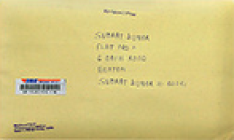 Front view
 Side view
 Back view
Your order will be securely packed and shipped within 24 hours. This is exactly what your package will look like (images of an actual item sent). It has the size and look of a regular private letter (9.4x4.3x0.3 in. or 24x11x0.7 cm) and its contents cannot be seen.
Vaniqa — Comparison with alternatives
Vaniqa Current

Wynzora Best rated

Synalar Best price

Contractubex

Betadine
Reviews and Experiences
Sources
- European Medicines Agency (EMA) (2026). Eflornithine hydrochloride topical cream: European public assessment and product information summary. ↑
- National Institute for Health and Care Excellence (NICE) (2025). Clinical knowledge guidance on topical skin therapies and irritation management. ↑
- World Health Organization (WHO) (2026). Guidance on women’s endocrine health and management of hyperandrogen symptoms. ↑
- MOHAP (Ministry of Health and Prevention) (2026). UAE guidance on prescription medicine use and patient safety for topical treatments. ↑
- MOHAP (Ministry of Health and Prevention) (2026). UAE prescribing oversight principles for prescription-only dermatology medicines. ↑
