

Propranolol
5 customer reviewsPropranolol is a non-selective beta-blocker containing propranolol hydrochloride. It is for adults who need steadier control of heart-rate–driven symptoms such as palpitations, tremor, migraine prevention, or physical anxiety symptoms. It works by blocking adrenaline signals at beta receptors to slow the heart rate and reduce the force of contractions.
What is it?
Propranolol is a beta-blocker that acts on both beta‑1 (heart) and beta‑2 (lungs and blood vessels) receptors. In practice, clinicians reach for it when symptoms are driven by an “adrenaline surge” pattern: fast pulse, palpitations, shaking, or a chest tightness pattern consistent with angina pectoris.
Common uses include:
- Hypertension (high blood pressure): lowers cardiac output and dampens stress-hormone spikes that push pressure up.
- Angina: reduces the heart’s oxygen demand, which can reduce angina frequency in stable angina pectoris.
- Certain arrhythmias: used to slow rate in several fast-rhythm patterns when a clinician wants beta‑blockade.
- Migraine prophylaxis: taken daily to reduce migraine frequency rather than to stop an attack that already started. [1]
- Tremor: can reduce action tremor amplitude for some patients.
- Anxiety (physical symptoms): used for the body symptoms (fast heartbeat, shaking, sweating) more than the worry itself.
A key limitation: Propranolol is not the first choice for Prinzmetal’s angina, because non‑selective beta blockade can worsen coronary spasm in susceptible people.
Composition
Propranolol’s active ingredient is propranolol hydrochloride.
Formulation affects how it behaves:
- Immediate‑release tablets are typically dosed more than once per day for ongoing control.
- Extended‑release products are designed for smoother levels across the day.
Your prescriber chooses the formulation based on the condition being treated, your resting heart rate, and how sensitive you are to fatigue. [2]
How to use?
Dose is individualized. It depends on the indication (hypertension, angina, arrhythmia rate control, migraine prophylaxis, tremor, anxiety), your baseline pulse and blood pressure, liver function, and whether you take other rate‑slowing medicines.
General dosing principles clinicians use:
- Start low, then adjust gradually to effect.
- Target symptom control without excessive bradycardia (slow pulse) or symptomatic hypotension (lightheadedness).
- For migraine prophylaxis, judge response over weeks, not days.
How does it work?
Propranolol blocks beta‑adrenergic receptors, so epinephrine and norepinephrine have less effect on the heart and circulation. The result is a slower heart rate, lower contractility (the squeeze of the heart), and reduced renin release from the kidneys, which can lower blood pressure over time.
This matters most in three situations:
- Heart-rate control: fewer palpitations and less “racing” with exertion or stress.
- Anti-anginal effect: lower myocardial oxygen demand can reduce chest pain episodes in stable angina.
- Brain effects: Propranolol crosses the blood–brain barrier, which is one reason it can help with migraine prevention and the physical symptoms of anxiety.
Indications
Doctors prescribe Propranolol across cardiac and neurological indications, generally where blunting adrenaline at beta receptors brings a clinical benefit. Approved and commonly accepted uses include:
- High blood pressure, as part of a treatment plan to control sustained hypertension.
- Stable angina pectoris, to lower the frequency of chest-pain episodes by easing the heart's oxygen demand.
- Certain tachyarrhythmias, for rate control when beta-blockade is desired.
- Migraine prevention, taken daily to cut attack frequency (it does not relieve an attack already in progress).
- Essential tremor, to reduce the amplitude of action tremor.
- Physical (somatic) symptoms of anxiety, such as palpitations, shaking, and sweating, rather than anxious thoughts themselves.
Because its non-selective action can worsen coronary spasm, it is not a first-line choice in Prinzmetal's (vasospastic) angina. Your prescriber confirms the indication, formulation, and dose for your situation.
Comparison
Propranolol sits in a group of medicines that lower heart rate or blunt adrenaline effects, yet each option has trade-offs.
| Option | How it differs | When clinicians may prefer it |
|---|---|---|
| Propranolol | Non‑selective beta blocker; enters CNS | Migraine prophylaxis, tremor, adrenaline-type symptoms, some arrhythmias |
| Metoprolol | More beta‑1 selective | Patients with airway sensitivity where a cardioselective beta blocker is preferred |
| Atenolol | More beta‑1 selective; less CNS penetration | When fatigue/vivid dreams with CNS-penetrating beta blockers is an issue |
A practical way to think about it: Propranolol can be great when symptoms include tremor or migraine patterns, yet its non‑selective action makes it less suitable for people with asthma or frequent wheeze.
Contraindications
- Marked bradycardia (very low resting heart rate) or symptomatic sinus bradycardia
- Second- or third-degree AV block (unless a pacemaker is in place)
- Decompensated heart failure (fluid overload, worsening breathlessness at rest)
- History of bronchospasm or uncontrolled asthma
- Known hypersensitivity to propranolol or tablet components
Not recommended for
Propranolol may not be suitable if you have a very slow resting pulse, certain heart conduction problems, or worsening heart failure symptoms. Avoid it if you have asthma or a history of wheezing, because it can tighten the airways and make rescue inhalers less effective. If you have diabetes, watch for low blood sugar that feels like sudden fatigue or confusion rather than the usual tremor and palpitations, and discuss monitoring with your clinician.
Side effects
Most side effects are an extension of what beta‑blockers do: they slow the heart and blunt adrenaline responses. Many people notice side effects early, then they fade as the body adapts.
Common side effects
- Bradycardia (slow heart rate) / sinus bradycardia: can feel like fatigue, reduced exercise tolerance, or dizziness. [3]
- Tiredness and low energy: common in the first week or two.
- Cold hands and feet: from reduced peripheral blood flow.
- Sleep changes: vivid dreams or insomnia can happen because Propranolol enters the brain.
- GI upset: nausea, diarrhea, or constipation in some users.
Less common but clinically important
- Bronchospasm: risk is higher in asthma or reactive airway disease because Propranolol blocks beta‑2 receptors in the lungs.
- Worsening heart failure symptoms: swelling, sudden weight gain, or breathlessness can occur if dose is too high or titration is too fast.
- Low blood sugar warning masking: in diabetes, beta‑blockers can blunt tremor and palpitations that normally warn of hypoglycemia.
Common mistakes
People tend to run into trouble with Propranolol in predictable ways.
- Stopping suddenly after regular use. Abrupt withdrawal can trigger rebound tachycardia and a spike in angina symptoms in susceptible patients. Tapering is usually planned.
- Using it in asthma or recurrent wheeze. Non‑selective beta blockade can tighten airways and make rescue inhalers less effective.
- Chasing a “perfect” heart rate. Some patients keep taking extra doses because they can still feel nervous, then end up dizzy with an overly slow pulse.
- Mixing with alcohol before events. Alcohol plus Propranolol is a common setup for lightheadedness and poor coordination.
- Misreading low blood sugar in diabetes. Without the usual tremor and palpitations, hypoglycemia may present as sudden fatigue or confusion instead.
Two quick checks help: know your resting pulse trend, and recognize new wheeze early.
Doctor opinions
Clinicians tend to like Propranolol when symptoms are “pulse-driven.” If the main complaint is a pounding heartbeat, tremor, or performance anxiety with obvious physical signs, beta‑blockade can be a clean fit.
Doctors also watch for these patterns:
- If a patient reports new fatigue plus a resting pulse that has dropped a lot since starting, the dose is often too strong for that person.
- If wheeze appears in someone with asthma history, many prescribers switch away from non‑selective beta blockers.
- For migraine prophylaxis, doctors often combine medication changes with sleep regularity and caffeine consistency, because erratic caffeine intake can mimic medication failure.
One sentence I’ve heard more than once in practice: “We’re treating the adrenaline symptoms, not your personality.”
Frequently asked questions
Propranolol does not cause craving or a classic dependence pattern, and it is not classed as an addictive drug by the WHO in its medicine safety overviews . The bigger issue is physiologic adaptation: if you take it daily and stop suddenly, your body can react with rebound fast heart rate or higher blood pressure. This is why clinicians often plan a taper for long-term users. In 2026 clinical practice, the “risk” people notice is rebound, not addiction.
If you miss a dose and you remember the same day, many clinicians advise taking it when remembered unless it is close to the next scheduled dose. Doubling up increases the chance of bradycardia and dizziness. MOHAP patient medication guidance in 2026 emphasizes avoiding double-dosing with cardiovascular medicines that slow heart rate . If missed doses happen often, ask for a simpler schedule.
For situational anxiety, Propranolol can reduce physical symptoms like tremor and rapid heart rate within hours, since it blocks epinephrine effects at beta receptors. It will not remove anxious thoughts, so expectations should match its mechanism. In 2026 prescribing references used in hospital settings commonly describe beta blockers as useful for performance anxiety somatic symptoms rather than generalized anxiety disorder core symptoms . If symptoms are daily and broad, clinicians often evaluate other options.
It can. Because Propranolol is non‑selective, it blocks beta‑2 receptors in the lungs and can trigger bronchospasm in susceptible patients, especially people with asthma. This can also make beta‑2 “rescue” inhalers feel less effective. WHO medicine safety summaries in 2026 continue to list bronchospasm as a clinically significant risk with non‑selective beta blockers . If you have wheeze, discuss a beta‑1 selective alternative.
Beta blockers are sometimes used in pregnancy when clearly needed, yet the choice and monitoring plan are individualized because fetal growth and neonatal heart rate or glucose can be affected with some beta blockers. EMA and other regulators advise a case-by-case assessment, weighing maternal benefit against fetal or neonatal risk . In breastfeeding, propranolol is often considered compatible in many references due to low infant exposure, but monitoring is still a common clinical step. In 2026, obstetric teams usually document the indication and target dose clearly before continuing therapy.
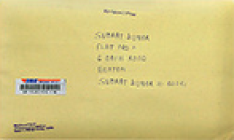 Front view
 Side view
 Back view
Your order will be securely packed and shipped within 24 hours. This is exactly what your package will look like (images of an actual item sent). It has the size and look of a regular private letter (9.4x4.3x0.3 in. or 24x11x0.7 cm) and its contents cannot be seen.
Propranolol — Comparison with alternatives
Propranolol Current Best price

Inspra

Azor

Lisinopril Best rated

Clonidine
Propranolol: Brand Names and Formulations
Propranolol’s active ingredient is Propranolol Hydrochloride (also written as Propranolol HCl). You may see the same medicine referenced by well-known names like Inderal and Innopran XL in clinical conversations and older records.
Formulation affects how it behaves:
- Immediate‑release tablets are typically dosed more than once per day for ongoing control.
- Extended‑release products (for example, names that include “XL” or “LA”, such as Inderal® LA / Inderal XL) are designed for smoother levels across the day.
Your prescriber chooses the formulation based on the problem being treated (steady blood pressure control vs situational symptoms), your resting heart rate, and how sensitive you are to fatigue. [2]
Reviews and Experiences
Sources
- World Health Organization (WHO) (2026). WHO model prescribing information: Beta‑adrenoceptor blocking agents (beta blockers). ↑
- European Medicines Agency (EMA) (2026). Propranolol: public assessment and product information for propranolol-containing medicines. ↑
- MOHAP (Ministry of Health and Prevention) (2026). Medication safety guidance for cardiovascular medicines: beta blockers and heart-rate–lowering agents. ↑
- National Institute for Health and Care Excellence (NICE) (2026). Beta blockers in clinical practice: interactions, monitoring, and safety considerations. ↑
- PubMed (2025). Drug delivery research on Propranolol Hydrochloride controlled-release formulations (floating beads and bilayer floating tablets). ↑
