

Prazosin
4 customer reviewsPrazosin is an alpha-1 blocker medicine containing prazosin. It is used for people with hypertension and for symptoms of benign prostatic hyperplasia, and it may also be used in Raynaud's syndrome. It works by relaxing blood vessels and urinary tract smooth muscle to lower blood pressure and improve urine flow.
What is it?
Prazosin is a selective alpha-1 blocker that relaxes smooth muscle in blood vessels and in parts of the urinary tract. When arteries and veins relax, blood pressure drops and the heart pumps against less resistance.
Composition
Active ingredient: prazosin (as prazosin hydrochloride) in tablet form. Excipients typically include tablet fillers and binders such as lactose or cellulose, a disintegrant, and a lubricant (for example magnesium stearate); exact composition varies by manufacturer.
How to use?
Prazosin is taken by mouth as a tablet and may be taken with or without food. Many prescribers use a “start low, go slow” approach to reduce the classic first-dose drop in blood pressure.
Typical administration pattern used in practice:
- Starting dose: often 1 mg as the first dose, commonly scheduled with dinner or in the evening.
- Many clinicians aim for the first dose 2–3 hours before retiring, so early dizziness happens while you are already at home and can sit or lie down.
- Maintenance doses: commonly titrated to 2–5 mg taken 2–3 times daily, based on response and tolerability, and these may be taken with or without meals.
Missed dose advice is simple: skip the missed dose and take the next one at the usual time. Do not double up.
How does it work?
- Route: oral (tablets)
- Hypertension (adults): start 0.5–1 mg at bedtime 1 time/day; then 1 mg 2–3 times/day. Titrate every 3–7 days to usual 6–15 mg/day in 2–3 doses; max commonly 20 mg/day.
- Benign prostatic hyperplasia symptoms (adults): start 0.5–1 mg at bedtime 1 time/day; then 1–2 mg 2 times/day. Usual 2–5 mg/day in divided doses; some require up to 10 mg/day.
- Timing with food: may be taken with or without meals.
- Duration: long-term as prescribed; dose adjustments based on blood pressure and symptom response.
- If therapy is interrupted for several days: restart at 0.5–1 mg at bedtime, then re-titrate.
Indications
It is used for:
- Hypertension: lowers blood pressure by widening blood vessels.
- Benign prostatic hyperplasia (BPH): relaxes the prostate and bladder neck to ease urinary hesitancy, weak stream, and incomplete emptying.
- Raynaud's syndrome: may improve blood flow to fingers and toes by reducing vessel spasm in some patients.
Comparison
Prazosin belongs to the alpha‑1 blockers (also called alpha-1 blocker medicines). Terazosin and Doxazosin are in the same family, and choice often comes down to duration of action, dose scheduling, and how a person tolerates blood pressure effects.
| Medicine | Class | Common clinical difference |
|---|---|---|
| Prazosin | Alpha-1 blocker | Shorter acting; often divided dosing; classic “first-dose” effect requires careful starts |
| Terazosin | Alpha-1 blocker | Longer acting than prazosin; dosing often simpler for some patients |
| Doxazosin | Alpha-1 blocker | Longer acting; may suit once-daily schedules in selected patients |
Doctors may prefer longer-acting options when adherence is a concern. Prazosin still has a role when a clinician wants flexible titration or when timing is targeted to symptom patterns (for example, nighttime symptoms). Side effects overlap across the class: dizziness, fatigue, and postural hypotension are the big ones.
Contraindications
- Hypersensitivity to prazosin
- History of significant orthostatic hypotension with fainting
- Pregnancy unless a prescriber has made a clear risk–benefit decision
- Clinically significant mechanical obstruction affecting cardiac outflow (e.g., severe valvular obstruction, as defined by a prescriber)
Not recommended for
- Do not use prazosin if you have ever had an allergic reaction to it.
- It may not be suitable if you tend to get very dizzy or faint when standing up, especially when starting or increasing the dose.
- Tell your clinician if you are pregnant so they can weigh risks and benefits before using it.
- Extra caution is needed if you have certain serious heart outflow problems (your prescriber will confirm whether this applies).
- Let your clinician know if you have heart failure, angina, liver or kidney problems, or if you have ever fainted during or after urination, as dosing may need to be more cautious and monitoring closer.
- For urinary symptoms, seek evaluation if symptoms change quickly or you have warning signs like weight loss, bone pain, or blood in urine, because these can change the workup before dose increases.
Side effects
Most side effects come from blood pressure lowering and vessel relaxation. They are common early in treatment and often ease as the body adapts.
Common side effects patients report:
- Dizziness or light-headedness, often when standing up (orthostatic hypotension)
- Headache
- Drowsiness or reduced concentration
- Palpitations or a faster heartbeat (reflex tachycardia)
- Nausea or stomach discomfort
- Ankle swelling or fluid retention
Serious reactions are uncommon but need urgent assessment:
- Fainting, severe weakness, or falls from sudden low blood pressure
- Chest pain, worsening shortness of breath, or signs of angina pectoris
- Allergic reactions (rash, swelling, wheeze)
A small, real-life nuance: the worst dizziness often happens after hot showers, saunas, or dehydration from gastroenteritis. Those situations amplify the blood-pressure drop more than people expect. [2]
Common mistakes
These are the errors that most often lead to poor tolerance or disappointing results:
- Taking the first dose right before a long drive, a workout, or a hot shower.
- Standing up quickly after the first few doses, then blaming the tablet for “random vertigo.”
- Doubling a dose after a missed tablet, which can cause a sharp blood pressure drop.
- Mixing Prazosin with an erectile dysfunction medicine the same evening, then feeling faint (more on this below).
- Treating urinary symptoms as “just BPH” for months without appropriate evaluation when symptoms change fast.
Small habits matter. Timing matters.
Doctor opinions
In clinical practice across hypertension and urology clinics, prescribers often describe Prazosin as “a medicine you respect in the first week.” They expect benefit, but they plan around orthostatic hypotension.
A common pattern doctors observe is this: a patient feels fine while sitting, then stands up quickly after the first evening dose and gets a head rush. The fix is rarely stopping the medication immediately; it is usually adjusting timing, hydration, and titration pace. Clinicians also watch for additive blood-pressure lowering when Prazosin is combined with diuretics or other antihypertensives, because the combined effect can be stronger than patients anticipate.
One more clinical nuance: when Prazosin is used alongside other therapies for BPH, symptom relief may show up as fewer nighttime bathroom trips before the urine flow feels stronger. That timeline helps set realistic expectations.
Frequently asked questions
Can Prazosin be taken with food?
Yes. Prazosin may be taken with or without food, and many people take it with dinner to reduce early dizziness by pairing the first dose with an at-home routine. Guidance on administration and dose timing aligns with regulator-reviewed product information used in clinical practice. In 2026, clinicians still focus on consistent timing more than meal type for day-to-day tolerability.
Why is the starting dose often taken with dinner or in the evening?
The first dose can cause a sharper drop in blood pressure than later doses, so scheduling it with dinner or evening reduces risk during daytime activity. Many prescribers aim for the first dose 2–3 hours before retiring, so any light-headedness happens while you are already settled at home. This approach is consistent with standard alpha‑1 blocker precautions referenced by regulator-reviewed materials. The goal is fewer falls and fewer “I stopped it after one dose” experiences.
How long does Prazosin take to work for hypertension and BPH symptoms?
Blood pressure effects can begin after early doses, yet the stable effect is clearer after titration over days to weeks. For benign prostatic hyperplasia, symptom improvement often appears gradually, and nighttime frequency may improve before flow strength feels different. In 2026 practice, many clinicians reassess within a few weeks to decide whether to titrate, switch, or add another approach, using monitoring principles aligned with WHO standards for safe use of antihypertensives.
Do elderly patients need a different dose?
Often, yes. Elderly patients may be more sensitive to orthostatic hypotension and are at higher risk of falls, so clinicians frequently start lower and titrate more slowly. This cautious approach is also common in people with renal impairment or hepatic impairment, where drug handling can differ. Dose individualization and monitoring are consistent with European regulatory guidance used across healthcare systems.
What should I do if I miss a dose?
Take the next dose at the usual time and do not double up. If you missed several days, restarting at the previous full dose can bring back the “first-dose” effect, so many prescribers re-titrate. This kind of restart strategy is widely taught in hypertension care pathways reviewed by major regulators and clinical bodies. Planning restarts for evenings is a practical way to reduce symptoms.
Can Prazosin cause dependence or withdrawal?
Prazosin is not considered dependence-forming in the way sedatives or opioids can be. The main risk when stopping is loss of control of the condition being treated (blood pressure rising again, or urinary symptoms returning), not a craving cycle. In 2026, standard practice is to change dosing under a structured plan when multiple antihypertensives are involved, consistent with WHO medication-safety principles.
Do you offer anonymous delivery?
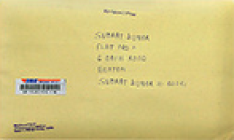 Front view
 Side view
 Back view
Your order will be securely packed and shipped within 24 hours. This is exactly what your package will look like (images of an actual item sent). It has the size and look of a regular private letter (9.4x4.3x0.3 in. or 24x11x0.7 cm) and its contents cannot be seen.
Prazosin — Comparison with alternatives


Reviews and Experiences
Sources
- EMA (2026). Prazosin: Summary of Product Characteristics (SmPC) – alpha‑1 adrenergic receptor blocker. ↑
- MOHAP (Ministry of Health and Prevention) (2026). Patient medication safety guidance for blood-pressure–lowering medicines and orthostatic hypotension. ↑
- WHO (2026). Medication Safety in Polypharmacy: monitoring and preventing harm from antihypertensive combinations. ↑
- EMA (2025). Clinical guidance summary: dose adjustment considerations in hepatic impairment and renal impairment for cardiovascular medicines. ↑
- EMA (2026). Safety communication: risk of hypotension with combined use of alpha‑1 blockers and PDE5 inhibitors (e.g., sildenafil). ↑
