

Noroxin
5 customer reviewsNoroxin is a fluoroquinolone antibiotic containing norfloxacin. It is for adults with bacterial infections caused by susceptible organisms, mainly uncomplicated urinary tract infections. It helps clear infection by inhibiting bacterial DNA replication enzymes.
What is it?
Noroxin, containing the active ingredient Norfloxacin, is a fluoroquinolone antibiotic used to treat various bacterial infections, primarily uncomplicated urinary tract infections (UTIs) and gonorrhea. It is intended for adults with infections caused by susceptible bacteria. It works by blocking bacterial DNA replication so the infection can clear.
Composition
Active ingredient: norfloxacin (as norfloxacin). Dosage form: film-coated tablets for oral use. Excipients typically include tablet diluents, binders, disintegrants, and film-coating materials (composition varies by manufacturer).
How to use?
Noroxin is supplied as oral tablets with a 400 mg strength. In adult prescribing, Noroxin is commonly taken twice daily, with the exact duration set by the infection being treated, kidney function, and local guideline choices.
Practical administration points that improve results:
- Swallow the tablet with a full glass of water.
- Take it 1 hour before or 2 hours after meals for better absorption.
- Space it away from minerals that bind antibiotics (details in interactions).
- Finish the full course once started, unless a clinician stops it due to side effects.
Short timelines are typical for uncomplicated infections, while prostatitis regimens can run longer; the indication drives the duration. MOHAP antimicrobial stewardship messages in 2026 keep pushing the same point: use the right antibiotic for the right bug, for the right length of time, to slow resistance [2].
How does it work?
- Route: oral (tablets)
- Typical adult dose (uncomplicated urinary tract infection): 400 mg 2 times/day
- Timing: take 1 hour before or 2 hours after meals; take with a full glass of water
- Duration (uncomplicated UTI): 3 days in women; 7–10 days in men (per clinician direction)
- Complicated UTI/pyelonephritis (if prescribed): 400 mg 2 times/day for 10–14 days
- Prostatitis (if prescribed): 400 mg 2 times/day for 28 days
- Missed dose: take as soon as remembered unless it is close to the next dose; do not double
- Separate from: antacids or supplements containing magnesium, aluminum, calcium, iron, or zinc by at least 2 hours before or 4 hours after
Indications
Noroxin is prescribed for bacterial infections caused by organisms sensitive to Norfloxacin, with a strong focus on urogenital infections.
Common uses in practice include:
- Uncomplicated urinary tract infections (UTIs): such as cystitis and urethritis
- Gonorrhea: an STI caused by Neisseria gonorrhoeae (treatment choice depends on local resistance patterns)
- Selected urinary/prostate infections: some clinicians use Norfloxacin in certain cases of prostatitis when culture results support it
- Some intestinal infections: such as bacterial gastroenteritis, when a bacterial cause is confirmed and a fluoroquinolone is appropriate
Comparison
Noroxin sits inside the fluoroquinolone family. Clinicians choose between antibiotic classes based on the likely bacteria, local resistance, infection severity, pregnancy status, and patient risk factors.
| Option | Drug class | Typical place in therapy |
|---|---|---|
| Noroxin (Norfloxacin) | Fluoroquinolone | Selected UTIs; sometimes used when susceptibility is confirmed |
| Ciprofloxacin / Levofloxacin | Fluoroquinolones | Broader systemic use; more “systemic” exposure than Norfloxacin |
| Trimethoprim/Sulfamethoxazole | Folate pathway inhibitor combo | UTI option where resistance is low and patient factors fit |
For gonorrhea, many guidelines have shifted away from fluoroquinolones due to resistance, and local protocols may favor other regimens; treatment choice should follow local resistance surveillance, as emphasized by WHO STI guidance updates used in 2026 clinical practice [4].
A detail that matters more than branding is suitability: Norfloxacin concentrates well in urine, which is one reason it has historically been used for uncomplicated UTIs, while other fluoroquinolones are often selected for broader tissue penetration when appropriate.
Contraindications
- Hypersensitivity to quinolones or to norfloxacin
- Pregnancy
- Breastfeeding
- Under 18 years
- Prior tendon injury related to a fluoroquinolone
Not recommended for
This medication is NOT for you if…
- You have hypersensitivity to quinolones or to Norfloxacin.
- You are pregnant or breastfeeding.
- You are under 18 years.
- You previously had tendon injury related to a fluoroquinolone.
Extra caution is used in:
- Older adults, where tendon effects and CNS side effects occur more often.
- People with kidney or liver dysfunction, where dose adjustments may be needed.
- People with a history of seizures or strong seizure risk factors.
- People with significant sun exposure (fluoroquinolones can cause photosensitivity).
Side effects
Most people tolerate Noroxin without serious problems, yet fluoroquinolones can cause side effects that deserve respect.
Common side effects seen with Norfloxacin include:
- Nausea, stomach discomfort, vomiting
- Headache, dizziness
- Diarrhea or loose stools
- Sleep disturbance, anxiety, irritability
- Skin rash or itching
Serious reactions are uncommon but need fast action:
- Allergic reactions (hives, facial swelling, breathing difficulty)
- Tendon pain or inflammation (Achilles tendon is classic), with a small risk of rupture
- Peripheral nerve symptoms (burning, tingling, numbness)
- Severe diarrhea that is watery or bloody (possible antibiotic-associated colitis)
Common mistakes
Small choices change antibiotic outcomes. These are the errors I see most with Noroxin.
- Taking Noroxin with milk, yogurt, calcium, iron, or zinc at the same time, then wondering why it felt weak.
- Stopping early once burning improves, then getting a rebound UTI a week later.
- Ignoring early Achilles tendon pain, then returning to sports too soon.
- Treating any diarrhea as “normal,” instead of watching for severe, watery, persistent diarrhea.
- Using leftover tablets for a new episode without a urine test, which can miss resistant bacteria or a non-UTI cause of symptoms.
Doctor opinions
In clinical practice, doctors often reserve Noroxin for cases where the likely organism is susceptible and the expected benefit beats the fluoroquinolone risk profile. Many prescribers in 2026 also lean more on urine culture for recurrent UTIs, because empiric use can fail when local resistance is high, and each failed course raises the chance of selecting resistant bacteria.
I also see a consistent pattern when patients switch from one antibiotic to another mid-course: symptoms can blur rather than vanish, and people assume the infection is “stubborn,” when the real issue is mismatched coverage or poor absorption from interactions. When Norfloxacin is the right match, symptom relief in uncomplicated cystitis often starts within the first couple of days, yet full eradication still needs the full course.
Frequently asked questions
Can Noroxin be used for infections other than UTIs?
Clinicians sometimes use Norfloxacin for selected gastrointestinal infections and certain prostate infections when bacteria are susceptible. The key is that the infection must be bacterial and the organism should be sensitive to fluoroquinolones. In 2026, antimicrobial stewardship frameworks promoted by WHO favor targeted therapy when possible, using cultures or local resistance data to guide antibiotic choice.
Does Noroxin treat STIs like gonorrhea caused by Neisseria gonorrhoeae?
Noroxin has been used for gonorrhea in the past, yet resistance in Neisseria gonorrhoeae has changed standard treatment in many regions. Where fluoroquinolone susceptibility is proven, a clinician may still consider it, but many protocols prefer other agents. MOHAP-aligned practice in 2026 commonly follows up-to-date resistance-aware STI regimens rather than assuming older fluoroquinolone coverage.
Is Noroxin suitable for children?
Noroxin is not used in children and adolescents under 18 because fluoroquinolones can affect developing cartilage and have a different risk–benefit balance in this age group. Paediatric UTIs have their own antibiotic choices based on age, severity, and likely pathogens. This age restriction is consistent with how regulators such as the EMA frame class precautions for fluoroquinolones in routine care.
What should I do if I miss a dose?
Take the missed dose as soon as you remember, unless you are close to the next scheduled dose; then skip the missed dose and continue on schedule. Doubling doses increases side effects without improving bacterial kill. WHO medication safety guidance used in 2026 also emphasizes avoiding double-dosing errors during short antibiotic courses, since side effects can trigger early discontinuation.
Can I take Noroxin with antacids, iron, or dairy?
You can, but not at the same time. Antacids containing magnesium or aluminium, iron, zinc, calcium supplements, and dairy products can bind Norfloxacin and reduce absorption, making treatment less reliable. EMA class information on fluoroquinolones describes this chelation effect as a practical reason for spacing doses.
Do you offer anonymous delivery?
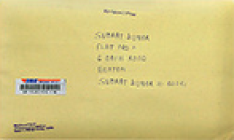 Front view
 Side view
 Back view
Your order will be securely packed and shipped within 24 hours. This is exactly what your package will look like (images of an actual item sent). It has the size and look of a regular private letter (9.4x4.3x0.3 in. or 24x11x0.7 cm) and its contents cannot be seen.
Noroxin — Comparison with alternatives
Noroxin Current Best rated

Tobradex Best price

Chlorhexidine

Amoxil

Zithromax
Reviews and Experiences
Sources
- World Health Organization (2026). Antimicrobial resistance: fact sheet and key stewardship principles. ↑
- MOHAP – Ministry of Health and Prevention (2026). UAE antimicrobial stewardship guidance for outpatient care. ↑
- European Medicines Agency (2026). Fluoroquinolone and quinolone antibiotics: safety and risk-minimisation information. ↑
- World Health Organization (2026). Sexually transmitted infections guidelines: gonorrhoea treatment and resistance considerations. ↑
- European Medicines Agency (2025). Norfloxacin: clinical safety information and administration considerations. ↑
