Verified
It worked fast when I used it correctly under the tongue. The first week I had a strong headache and flushing, then it became milder. I started sitting down first because I felt dizzy once after standing.
9 Nov 2024

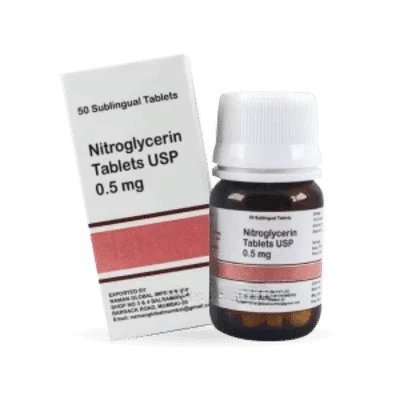
Nitroglycerin is a nitrate medicine used to manage angina symptoms. It is for people who get chest pain or chest pressure from coronary artery disease, as directed by a clinician. It works by donating nitric oxide to relax blood vessels, reducing cardiac workload and improving coronary blood flow.
Nitroglycerin acts as a nitric oxide (NO) donor. NO signals the smooth muscle in vessel walls to relax, which produces vasodilation. When veins relax, less blood returns to the heart (lower preload), so the heart pumps against less filling pressure. When arteries and coronary vessels relax, oxygen delivery improves and the heart does not have to work as hard for the same output. This is the core nitrate vasodilator effect described across regulatory pharmacology references [1].
In day-to-day practice, the benefit most patients feel is chest tightness easing as myocardial oxygen demand drops. A second benefit is reduced pulmonary congestion in some heart failure settings because lower preload can reduce pressure backing up into the lungs. The downside is also predictable: vasodilation can drop blood pressure too far in sensitive patients, leading to dizziness or faintness, and it can trigger a reflex rapid heartbeat.
Nitroglycerin (glyceryl trinitrate) as the active substance. Depending on dosage form, excipients may include stabilizers, binders, fillers, and lubricants for tablets/capsules, or solvents and base components for sprays/ointments to ensure accurate dosing and stability.
Nitroglycerin is mainly used for angina, with two distinct goals: Acute Angina Relief and Angina Prevention. The choice of timing is tied to the goal, not to the diagnosis label alone. Cardiologists also use nitrates within broader regimens for coronary artery disease and, in selected settings, heart failure symptom relief.
For Acute Angina Relief, Nitroglycerin is used at the onset of chest pain or chest pressure consistent with angina. The intention is rapid symptom improvement by reducing myocardial oxygen demand and improving coronary perfusion. If the pain pattern is new, severe, or different from usual, treat it as urgent until proven otherwise. Time matters.
For Angina Prevention, nitrates may be used in longer-acting patterns to reduce attack frequency in people who get predictable exertional symptoms. Clinicians often combine this approach with “background” anti-anginal therapy (for example beta-blockers or calcium channel blockers) to reduce reliance on rescue dosing. A key limitation: continuous nitrate exposure can cause tolerance, so prescribers often design a daily nitrate-free interval [2].
Nitroglycerin is central for quick relief, yet angina control usually relies on more than one strategy. Long-term stability is often achieved with therapies that reduce heart rate, lower afterload, or improve coronary supply-demand balance. The best regimen is the one that reduces attacks and improves exercise tolerance without unacceptable side effects.
Other medications used to treat angina include beta-blockers and calcium channel blockers, which reduce oxygen demand by slowing the heart rate or lowering afterload, and ranolazine, which works through myocardial metabolism and ion currents rather than direct vasodilation. ACE inhibitors and statins are often part of coronary artery disease management, targeting vascular risk rather than immediate symptom relief. Nicorandil Tablets 10mg are used in some settings as an anti-anginal option with potassium channel opening and nitrate-like effects, depending on local prescribing patterns.
Lifestyle changes support symptom control and event prevention: smoking cessation, blood pressure control, gradual aerobic conditioning within a safe plan, and consistent sleep. Meals matter too; heavy meals can trigger postprandial angina in some people because blood flow shifts to the gut. Heat exposure can also worsen vasodilation and dehydration, increasing dizziness with nitrates. Small adjustments reduce rescue-dose frequency.
Do not use this medicine unless a cardiology specialist has told you it is safe if you have ever had an allergic reaction to nitroglycerin or other nitrates. Avoid it if you have very low blood pressure or you tend to faint, because it can make dizziness and collapse more likely. Do not combine it with erectile dysfunction medicines like sildenafil or pulmonary hypertension treatment like riociguat, since the blood-pressure drop can be dangerous. Extra caution is needed if you have had bleeding in the brain, severe anemia, or closed-angle glaucoma.
Side effects are driven by vasodilation and blood pressure changes. The common ones are unpleasant but predictable. Serious reactions are rare, yet they have recognizable warning signs. Knowing the difference saves time and anxiety.
Common effects include headache, flushing, dizziness, nausea, vomiting, and rapid heartbeat. Headache is the classic nitrate effect because blood vessels in the head dilate; many patients find it fades after the first days of regular exposure. Dizziness usually comes from a blood pressure drop, more likely if you stand up quickly. Rapid heartbeat (tachycardia) can occur as a reflex response to a sudden pressure change.
Seek urgent care if you develop severe headache with neurological symptoms, or blurry vision that is new and intense, because those can be red flags for increased pressure around the brain in the wrong context. Call for urgent help if you notice blue skin or lips, unusual shortness of breath, severe fatigue, nausea, vomiting, or rapid heartbeat out of proportion to activity, since these can be signs of methemoglobinemia (a blood oxygen-carrying problem reported with nitrates, especially with excessive exposure). Severe hypotension can present as fainting, confusion, or collapse. These are not “wait and see” symptoms [3].
Small mistakes create big differences with nitrates.
In clinical practice, doctors often judge Nitroglycerin use by two things: how fast symptoms improve and what the pattern says about disease stability. A quick response supports an angina mechanism, while repeated need at rest raises concern for unstable angina and prompts escalation. Clinicians also watch for nitrate tolerance; if a patient uses long-acting nitrates with no daily nitrate-free interval, the drug can feel weaker over time, even if adherence is perfect.
Alcohol can add to the blood pressure-lowering effect of Nitroglycerin, increasing dizziness, flushing, and fainting risk. This is more likely when alcohol is taken close to dosing or in hot weather where dehydration is already in play. If you drink, keep it modest and avoid pairing it with times you might need rescue dosing for angina. WHO cardiovascular risk guidance in 2026 continues to place alcohol moderation among practical risk-reduction measures for heart disease [5].
If you use Nitroglycerin for Acute Angina Relief, it is often “as needed,” so there may be no scheduled dose to miss. For Angina Prevention with longer-acting regimens, missing a dose can lead to more frequent symptoms later in the day. Do not double up doses to catch up, because excess nitrate exposure raises hypotension and headache risk. EMA prescribing guidance supports consistent schedules with planned nitrate-free time to reduce tolerance.
Yes. With continuous exposure, the body can become less responsive, which patients describe as the medicine feeling weaker. Clinicians manage this by designing a daily nitrate-free interval, often overnight, while keeping another anti-anginal agent as baseline therapy. If you feel you need higher and higher doses for the same relief, that is a cue to reassess the plan rather than to self-escalate. This phenomenon is well described in nitrate pharmacology summaries.
Methemoglobinemia reduces the blood’s ability to carry oxygen. Warning signs can include unusual shortness of breath, fatigue, nausea, vomiting, rapid heartbeat, and blue skin or lips, even when the lungs seem clear. With Nitroglycerin, it is uncommon, yet risk increases with excessive dosing or overlapping nitrate sources. Safety labeling summaries referenced by major clinical centers describe these symptoms as urgent triggers for assessment.
Headache is common, especially early on, and it often eases as the body adapts. If headaches are severe, persistent, or paired with blurred vision or neurological symptoms, urgent review is needed to rule out dangerous causes. Many patients do better when they avoid dehydration and sit during dosing, which reduces blood pressure swings. Dose timing and prevention-plan adjustments can also reduce headache burden without losing angina control.
Your order will be securely packed and shipped within 24 hours. This is exactly what your package will look like (images of an actual item sent). It has the size and look of a regular private letter (24x11x0.7 cm) and its contents cannot be seen.

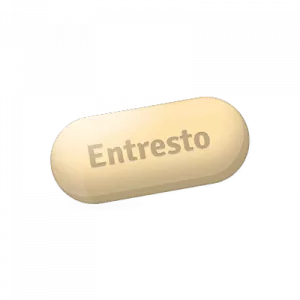
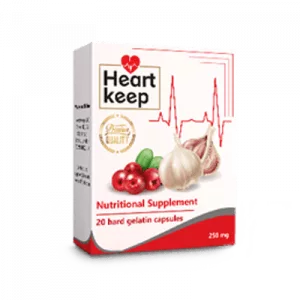

Nitroglycerin exists in immediate-acting and longer-acting designs. Onset and duration differ because absorption sites differ (under the tongue, through skin, or via gastrointestinal extended-release systems). In the UAE, you may hear brand names such as Nitrostat, Nitroquick, Nitrolingual, Nitrotab, Nitro-Dur, Nitro-Time, Nitrogard, NITRODERM TTS 5, Nitrocine, NITROCONTIN CONTINUS, and Nitronal Aqueous; these names matter less than the formulation type and how it is used.
| Form type | Typical role | Speed |
|---|---|---|
| Sublingual (tablet/spray) | Acute Angina Relief | Fast |
| Transdermal (patch/ointment) | Angina Prevention | Slow-steady |
| Extended-release oral | Angina Prevention | Steady |
Nitroglycerin can lose potency when exposed to heat, moisture, and air. Storage is not just “tidiness”; it is about keeping the dose reliable. This is one reason clinicians often ask patients to replace rescue supplies regularly and to avoid casual repackaging.
Store Nitroglycerin in a cool, dry place away from direct heat and strong light. Bathrooms are often too humid. Cars are often too hot. Both shorten stability. For people in the UAE, heat exposure is a real issue during summer months.
