
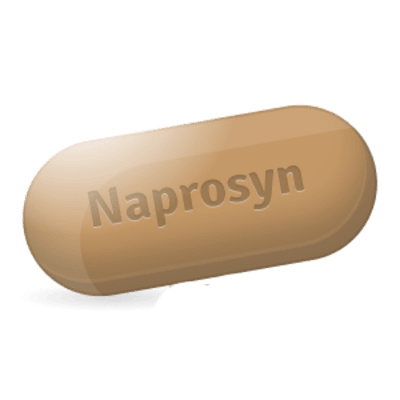
Naprosyn
4 customer reviewsNaprosyn is a brand of naproxen, a non-steroidal anti-inflammatory drug. It is used for adults with inflammatory pain such as arthritis, gout, menstrual pain, or musculoskeletal pain. It reduces pain and swelling by blocking prostaglandin production.
What is it?
Naprosyn is a brand name for naproxen, a non-steroidal anti-inflammatory drug (NSAID) used to relieve pain, reduce inflammation, and lower fever. It is commonly used by adults who need symptom control for arthritis flares, gout attacks, period pain, and musculoskeletal pain. Naproxen works by reducing prostaglandins, which helps calm inflammatory pain at its source.
Composition
Naprosyn contains naproxen, a nonsteroidal anti-inflammatory drug (NSAID). It is usually supplied as oral tablets in strengths such as 250 mg or 500 mg of naproxen, with inactive ingredients varying by manufacturer.
How to use?
Use Naprosyn by mouth with water.
Common adult regimens used in practice (your prescriber may individualise based on diagnosis and risk):
- Arthritis and ongoing inflammatory pain: often 250–500 mg twice daily
- Acute pain flares: dosing may start higher, then step down once symptoms settle
- Acute gout attack: a higher first dose may be used, followed by smaller doses during the next day or two
Take it with food or after a meal if your stomach is sensitive. Avoid taking it right before lying down, since reflux and heartburn are frequent reasons people stop early.
How does it work?
- Adults: take 250 mg to 500 mg orally twice daily.
- For acute pain or dysmenorrhea: an initial dose of 500 mg orally, then 250 mg every 6 to 8 hours as needed.
- Take tablets with food or milk to reduce stomach irritation.
- Do not exceed 1,000 mg per day for most short-term use.
- Use the lowest effective dose for the shortest duration needed, as directed by a clinician.
Indications
Typical reasons clinicians reach for Naprosyn include:
- inflammatory joint disease such as rheumatoid arthritis, osteoarthritis, and ankylosing spondylitis
- acute gout attacks
- menstrual pain (dysmenorrhoea)
- short-term musculoskeletal pain where inflammation is driving symptoms
Comparison
Naprosyn sits among NSAID painkillers with a longer duration of action than many short-acting options. The right choice depends on how inflammatory the pain is, how long you need coverage, and your GI/cardiovascular/kidney risk.
| Option | What it’s best at | Key limitation |
|---|---|---|
| Naprosyn (naproxen) | Longer-lasting relief for inflammatory pain | GI bleeding/ulcer risk; kidney and BP effects |
| Ibuprofen | Flexible short-term dosing for mild-to-moderate pain | Shorter duration; same NSAID class risks |
| Aspirin (analgesic doses) | Pain/fever relief in some settings | Higher GI irritation and bleeding risk at analgesic doses |
If someone mainly needs fever control or non-inflammatory aches, paracetamol is often used first because it does not carry the same ulcer risk—yet it also does not address inflammation. When inflammation is the driver (swelling, warmth, morning stiffness), Naprosyn can be the more rational tool.
Contraindications
- Allergy to naproxen or other NSAIDs, including a history of aspirin-triggered wheeze, hives, or angioedema
- Active stomach/duodenal ulcer, recent GI bleeding, or a strong history of recurrent ulcers
- Severe kidney impairment, severe liver impairment, or decompensated heart failure
- Pregnancy in the third trimester (NSAIDs can affect fetal circulation and labour)
- Current significant bleeding risk
Not recommended for
This medication is not for you if any of the points below apply.
- Allergy to naproxen or other NSAIDs, including a history of aspirin-triggered wheeze, hives, or angioedema
- Active stomach/duodenal ulcer, recent GI bleeding, or a strong history of recurrent ulcers
- Severe kidney impairment, severe liver impairment, or decompensated heart failure
- Pregnancy in the third trimester (NSAIDs can affect fetal circulation and labour)
- Current significant bleeding risk
Side effects
Side effects are dose- and duration-dependent, and most are predictable for NSAIDs.
Common side effects
- heartburn, nausea, abdominal discomfort
- headache, dizziness, drowsiness
- raised blood pressure or fluid retention in susceptible people
- skin rash or itching
Serious side effects that need urgent assessment
- black stools, vomiting blood, or persistent severe stomach pain (possible GI bleeding/ulcer)
- shortness of breath, wheeze, facial swelling, or severe rash (allergy, including aspirin-sensitive asthma patterns)
- reduced urine output, sudden ankle swelling, or rapid weight gain (kidney stress or fluid retention)
- chest pain, one-sided weakness, or slurred speech (cardiovascular events—rare, risk rises with higher dose and longer use)
Common mistakes
People do not usually get into trouble from Naprosyn itself; they get into trouble from how they combine it.
Mistakes I see repeatedly:
- Taking Naprosyn together with ibuprofen or aspirin “for extra pain control,” which stacks GI and kidney risk without adding much benefit.
- Using prednisone at the same time without a protection plan; the NSAID + steroid combination raises ulcer and bleeding risk.
- Taking it while dehydrated (long flights, diarrhoea, heavy sweating), then wondering why creatinine rises or ankles swell.
- Treating heartburn with random antacids while continuing the same naproxen dose; persistent symptoms can be an early warning sign.
- Assuming OTC positioning means “safe for weeks”; long-term NSAID use needs a plan and periodic review.
One short but real nuance: NSAIDs can mask fever and pain, so infections or injuries can look calmer than they really are. Keep that in mind if symptoms are changing fast.
Doctor opinions
A pattern clinicians recognise is that patients judge Naprosyn too fast. If the pain is driven by inflammation, the first dose can help, yet the bigger improvement in mobility often shows over 24–72 hours as swelling calms.
This is not an everyday painkiller for everyone. For someone with high GI risk or multiple interacting medicines, many physicians will prefer a different approach rather than “pushing through” side effects.
Frequently asked questions
Is Naprosyn addictive or a controlled medicine?
Naprosyn (naproxen) is not an opioid and it does not cause dependence in the way narcotic painkillers can. It does not act on reward pathways. It works by blocking prostaglandin production. Misuse still happens, mainly by taking high doses for too long and running into ulcers or kidney issues. WHO medicine safety summaries describe NSAIDs as non-addictive analgesics with organ-specific risks rather than dependence risk .
Can Naprosyn raise blood pressure?
Naprosyn can raise blood pressure in some people because NSAIDs may cause sodium and water retention and can reduce the effect of some antihypertensive medicines. The change can be small, yet for patients already close to the edge, it can matter clinically. Blood pressure should still be monitored during use. If you have hypertension, shorter courses and avoiding dehydration reduce problems. EMA safety information for NSAIDs includes blood pressure and fluid retention warnings .
Is alcohol compatible with Naprosyn?
Alcohol can irritate the stomach lining and increase the chance of gastritis or bleeding when combined with an NSAID. For someone using Naprosyn for a short course, avoiding alcohol is the simplest way to reduce GI side effects. If you drink regularly, clinicians often treat you as higher GI risk from day one. MOHAP-aligned counselling for NSAIDs in community settings commonly flags alcohol as a modifiable risk factor .
Can Naprosyn be used in pregnancy or while breastfeeding?
NSAIDs are avoided in the third trimester because they can affect fetal circulation and timing of labour. Earlier pregnancy requires individual assessment, since some women may be advised to avoid NSAIDs depending on obstetric history and indication. During breastfeeding, naproxen is used cautiously because it can pass into milk; short courses may be considered, but alternatives are often preferred. EMA product information for naproxen-containing products addresses these pregnancy and lactation cautions .
Does Naprosyn contain sulfa?
Naproxen is not a sulfonamide antibiotic, and “sulfa allergy” does not automatically mean naproxen allergy. Allergic reactions to NSAIDs are still possible, and aspirin-sensitive asthma is a separate risk pattern to take seriously. If your past reaction was severe (wheeze, angioedema, anaphylaxis), clinicians usually avoid NSAIDs unless there is a clear plan. WHO resources on medicine allergy and NSAID hypersensitivity discuss these patterns without linking them to sulfonamide structure .
Is Naprosyn suitable for sinus infection pain?
Naprosyn can reduce fever, facial pain, and headache symptoms that come with sinusitis because it treats inflammation and pain. It does not treat the infection itself, so it is symptom support rather than a cure. If pain is severe, one-sided facial swelling develops, or symptoms persist beyond what your clinician expects, reassessment is needed to rule out complications. WHO clinical guidance on rational analgesic use supports NSAIDs for symptom relief where appropriate .
Do you offer anonymous delivery?
 Front view
 Side view
 Back view
Your order will be securely packed and shipped within 24 hours. This is exactly what your package will look like (images of an actual item sent). It has the size and look of a regular private letter (9.4x4.3x0.3 in. or 24x11x0.7 cm) and its contents cannot be seen.
Naprosyn — Comparison with alternatives

Naprosyn Current Best rated

Zomig

Sibelium

Depo-Medrol Best price

Diclofenac
Reviews and Experiences
Sources
- World Health Organization (WHO) (2023). WHO Model Formulary: Non-steroidal anti-inflammatory drugs (NSAIDs). ↑
- European Medicines Agency (EMA) (2018). Summary of Product Characteristics (SmPC) — naproxen-containing medicinal products. ↑
- Ministry of Health and Prevention (MOHAP) (2022). Pharmacovigilance Guidance for Healthcare Professionals. ↑
- European Medicines Agency (EMA) (2015). PRAC recommendations on NSAIDs: cardiovascular, gastrointestinal, and renal safety considerations. ↑
