

Depo-Medrol
4 customer reviewsDepo-Medrol is a long-acting corticosteroid injection containing methylprednisolone acetate. It is used for adults who need anti-inflammatory or immunosuppressive treatment for allergic, inflammatory, or immune-driven conditions. Its depot suspension releases slowly to reduce inflammation over a longer period.
What is it?
Depo-Medrol is a long-acting corticosteroid injection containing methylprednisolone acetate. It is used in adults who need strong anti-inflammatory or immunosuppressive treatment for allergic, inflammatory, or immune-driven conditions. The depot (slow-release) suspension helps calm inflammation by switching down the body’s inflammatory signalling and immune overactivity.
Depo-Medrol is an injectable, long-acting glucocorticoid (also called an adrenocortical steroid) used when clinicians want sustained anti-inflammatory or immunosuppressive benefit from a single administration. It is not a painkiller in the usual sense; it reduces the inflammation that drives pain, swelling, stiffness, itch, and tissue irritation.
A key clinical advantage is its “depot” behaviour: the methylprednisolone acetate is formulated as a suspension that releases slowly from the injection site, so relief can last longer than with short-acting steroids in selected indications. This is also why dosing and timing are decided case-by-case.
Understanding methylprednisolone acetate
Methylprednisolone acetate is a synthetic glucocorticoid. Inside cells, glucocorticoids bind to steroid receptors and alter gene transcription, lowering the production of inflammatory mediators and reducing immune-cell activity. This reduces prostaglandin- and leukotriene-driven swelling, redness, and pain, and it can also blunt allergic-type reactions.
The “acetate” form is chosen for prolonged local effect in a depot suspension. This matters most in joint or soft-tissue injections, where clinicians aim for a focused anti-inflammatory effect with less frequent dosing than short-acting options [1].
Composition
Depo-Medrol is an injectable, long-acting glucocorticoid containing methylprednisolone acetate. The acetate suspension is formulated as a depot preparation for slow release from the injection site.
How to use?
Depo-Medrol is a corticosteroid injection used by a healthcare professional to reduce inflammation in joints, soft tissues, and selected skin lesions. It is administered by intramuscular, intra-articular, intralesional, or soft-tissue injection, depending on the condition being treated.
Clinicians avoid injecting into infected areas or unstable joints because steroid injection can worsen an existing infection or local tissue injury.
Common practical points:
- Pain relief after a joint injection may take 24–72 hours to begin.
- A short-lived steroid flare can occur during the first 1–2 days after an intra-articular injection.
- Repeated injections into the same site are spaced carefully to reduce cartilage, tendon, and skin risks.
How does it work?
- Dose: Use only the concentration prescribed for the depot suspension; common clinical strengths are 40 mg/mL or 80 mg/mL.
- Route: Give by intra-articular, intramuscular, intralesional, or soft-tissue injection as directed by a healthcare professional.
- Frequency: Usually once per injection session; repeat injections are scheduled only by the prescriber and are not given multiple times per day.
- Timing: No meal timing applies. The injection is given at the scheduled appointment, typically in clinic.
- Duration: The depot formulation is designed for prolonged local anti-inflammatory effect after a single injection, with duration determined by the condition treated and the site injected.
Indications
Depo-Medrol is used for conditions where inflammation or immune hyperactivity is the main problem, and where a clinician judges that an injectable glucocorticoid is appropriate. Uses are often grouped by body system:
- Rheumatic and musculoskeletal disorders: inflammatory flares affecting joints and peri‑articular tissues (for example, synovitis, bursitis, tendinitis), where an intra‑articular injection can reduce swelling and improve movement.
- Allergic states: severe allergic inflammation when other measures are insufficient, including some acute flares where rapid suppression of immune activity is needed.
- Dermatologic diseases: steroid-responsive inflammatory skin conditions (some patients receive intralesional injections for focal lesions in specialist care).
- Respiratory diseases: steroid-responsive inflammatory airway conditions as part of a broader plan, especially when systemic steroids are required.
- Gastrointestinal diseases: inflammatory conditions where systemic steroids are used in selected scenarios under specialist direction.
- Endocrine and immune-mediated disorders: scenarios where glucocorticoid replacement or immunosuppression is used, guided by clinical assessment and monitoring.
Two limits are worth being clear about. Depo-Medrol treats inflammation; it does not eradicate infections. Immunosuppression can also mask fever and other warning signs.
Comparison
The main alternatives are other ways of delivering anti-inflammatory or immunosuppressive effect, chosen by diagnosis, severity, and how urgent the response needs to be.
| Option | How it compares to Depo-Medrol | Typical use case |
|---|---|---|
| Oral glucocorticoids (e.g., prednisone/prednisolone) | Faster systemic exposure; easier to titrate day-by-day; higher systemic side-effect burden at equivalent anti-inflammatory effect | Multi-site inflammation, severe flares needing systemic control |
| Non-steroidal anti-inflammatory drugs (NSAIDs) | No immunosuppression; less effect on immune-driven disease; GI/kidney and blood pressure risks can be limiting | Mild-to-moderate inflammatory pain when infection is excluded |
For joint and soft-tissue problems, clinicians may prefer local steroid injection when one area is driving disability and systemic steroids are not justified. For widespread autoimmune inflammation, oral or IV steroid regimens and disease-modifying therapies may be more appropriate than repeated depot injections.
The trade-off is simple: depot relief can last longer, but it is less “fine-tunable” once administered, so good diagnosis and site selection matter [4].
Contraindications
Depo-Medrol is not for you in certain situations, and it needs extra precautions in others.
This medication is NOT for you if…
- Systemic fungal infection is present.
- Hypersensitivity to methylprednisolone (or to components of the injection) is known.
- Injection into an infected joint is suspected or confirmed.
- Injection into an unstable joint is planned.
- Severe arterial hypertension is present and uncontrolled.
- Diabetes mellitus is uncontrolled.
- Acute-stage severe psychiatric illness is present, where steroids can worsen symptoms.
Precautions clinicians commonly consider:
- Current or recent infections (including tuberculosis exposure risk).
- Osteoporosis risk, glaucoma/cataracts history, peptic ulcer disease.
- Repeated steroid exposure from other sources (oral prednisone courses, inhaled steroids, topical steroids).
Two short warnings patients often miss. Fever can be muted. Pain relief can mask overuse.
Not recommended for
Depo-Medrol is not a good fit if you have an infection, a history of steroid allergy, uncontrolled blood pressure, uncontrolled diabetes, or a serious psychiatric flare. It also needs caution if you have weak bones, eye pressure problems, stomach ulcer history, or you are already taking other steroid medicines. Tell your clinician if fever or pain may be hiding a bigger problem.
Side effects
Depo-Medrol can cause systemic steroid effects even when injected locally, since some absorption into the bloodstream can occur. The risk rises with higher doses, repeated injections, and intramuscular use.
Commonly reported or clinically expected effects include:
- Raised blood pressure and fluid retention.
- Raised blood sugar, even in non-diabetics.
- Increased appetite and weight gain over time.
- Mood or sleep changes (insomnia, irritability).
- Lowered immune response, which can increase susceptibility to infections.
Less common but clinically serious risks include:
- Hypersensitivity to methylprednisolone (rash, swelling, breathing difficulty).
- Gastrointestinal bleeding or ulcer risk, more likely with NSAIDs or prior ulcer history.
- Adrenal suppression with repeated/high exposure, making abrupt stopping of frequent systemic steroids risky.
- Bone effects such as osteoporosis with long-term or frequent steroid exposure.
A small detail patients remember: steroid-related insomnia is often worse when an IM steroid is given late in the day. Timing is not always adjustable, yet if you had this before, clinicians may plan around it.
One-sentence reality check: steroids trade symptoms for side effects. The goal is the lowest effective exposure.
Common mistakes
- Assuming the injection treats an infection. Steroids can reduce pain and swelling while an infection worsens in the background, which is why clinicians avoid injecting into infected joints or through infected skin.
- Overusing the “pain-free window.” Feeling better can lead to sudden heavy lifting, long walks, or intense sport within 24–48 hours after a joint injection, triggering a flare.
- Not flagging diabetes or prediabetes. People often mention it only after glucose rises; pre-planning reduces the chance of chasing highs with unsafe corrective dosing.
- Doubling up on NSAIDs for post-injection soreness. This can raise GI risk; clinicians often prefer paracetamol/acetaminophen for short-term pain unless NSAIDs are specifically advised.
- Ignoring mood and sleep changes. Steroid-related insomnia or agitation can be strong; documenting what happened last time helps clinicians tailor timing and follow-up.
Doctor opinions
In clinical practice, doctors tend to use Depo-Medrol for one of two goals: a controlled “reset” of inflammation during a flare, or targeted reduction of joint/soft-tissue inflammation to restore function so rehab can work.
Rheumatology and sports-medicine clinicians often say the same thing in different words: the injection buys a window of lower inflammation, and what you do in that window matters. If mechanics, load management, and physiotherapy are ignored, symptoms often return.
Endocrinologists and internists are usually stricter in people with diabetes, obesity, or uncontrolled hypertension. They often request a plan for glucose and blood pressure follow-up before approving repeated steroid injections.
A pharmacist’s observation from medication histories: the people who struggle most after steroid injections are often the ones already receiving steroids from multiple sources (inhalers, creams, short oral courses). Total steroid burden is easy to underestimate.
Frequently asked questions
How long did Depo-Medrol last after an injection?
Duration varies by the condition, injection site, and dose, since depot steroid release and local tissue absorption differ widely. Many patients report symptom relief for days to weeks, and joint injections can sometimes last longer in responsive conditions. A clinician usually judges response at follow-up rather than expecting a fixed number of days. EMA product information for methylprednisolone acetate describes it as a prolonged-action suspension, which supports this variable duration profile.
When did people start feeling relief?
Some people feel improvement within 24 hours, while others need 2–3 days, especially after intra‑articular injections where local inflammation settles gradually. Immediate numbness right after the procedure, if it happens, is more often from the local anaesthetic used with the injection than from the steroid itself. If pain worsens sharply with fever or severe redness, clinicians treat that as urgent because infection must be excluded. WHO materials on corticosteroid use emphasise monitoring for infection risk during immunosuppression.
Did Depo-Medrol raise blood sugar even without diabetes?
Yes, transient hyperglycaemia can occur even in people without diagnosed diabetes, because glucocorticoids increase hepatic glucose output and reduce peripheral insulin sensitivity. The rise is usually temporary after a single injection, yet it can be pronounced in prediabetes or metabolic syndrome. Clinicians often advise extra checks in the first days after the dose and a lower threshold for follow-up if thirst, frequent urination, or blurred vision appear. MOHAP clinical practice approaches for chronic disease monitoring support proactive glucose monitoring around steroid exposure.
Could Depo-Medrol be used with pain relievers like ibuprofen?
It can be, yet the combination raises stomach and ulcer risk, especially in people with past gastritis, reflux requiring daily therapy, or older age. Many clinicians prefer paracetamol/acetaminophen for short-term soreness after a steroid shot unless NSAIDs are specifically indicated. If NSAIDs are needed, gastroprotection may be considered based on individual risk factors. Safety sections in FDA labeling for methylprednisolone acetate list GI complications among clinically relevant corticosteroid risks.
What should be discussed before a joint injection?
Clinicians usually confirm the diagnosis, rule out infection, review anticoagulant use, and plan what activity level is safe afterward. They also ask about prior response to steroids, diabetes control, and history of severe mood reactions, since these predict tolerability. Imaging is not always required, yet it may be used when the diagnosis is uncertain or when guided injection improves accuracy. Clinical injection standards referenced in FDA labeling highlight route-specific warnings and screening steps to reduce complications.
Could Depo-Medrol affect mood or sleep?
Yes. Insomnia, irritability, and mood swings are well-recognised steroid effects, and some people feel “wired” for a few nights after an IM injection. Patients with a past history of severe anxiety, depression, or steroid-induced mood changes should flag this early, because clinicians may adjust timing, dose, or follow-up. EMA safety information for systemic corticosteroids includes neuropsychiatric reactions among important adverse effects to monitor.
Do you offer anonymous delivery?
 Front view
 Side view
 Back view
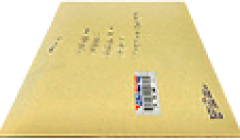
Your order will be securely packed and shipped within 24 hours. This is exactly what your package will look like (images of an actual item sent). It has the size and look of a regular private letter (9.4x4.3x0.3 in. or 24x11x0.7 cm) and its contents cannot be seen.
Depo-Medrol — Comparison with alternatives
Depo-Medrol Current Best price

Zomig Best rated

Sibelium

Diclofenac

