

Modalert
4 customer reviewsModalert is an oral tablet containing modafinil, a wakefulness-promoting eugeroic medicine. It is for adults with excessive daytime sleepiness linked to narcolepsy, obstructive sleep apnea, or shift work sleep disorder. It supports alertness by acting on brain signaling involved in the sleep-wake cycle.
What is it?
Modalert contains modafinil, a medicine classified as a eugeroic agent (a wakefulness‑promoting drug). Clinically, its purpose is simple: to reduce daytime drowsiness so you can stay awake and function better during hours when you need to be alert.
Composition
Active ingredient: modafinil (commonly 200 mg per tablet). Excipients may include standard tablet fillers and binders such as lactose or cellulose, disintegrants, and magnesium stearate. Contains no therapeutic ingredients other than modafinil; exact excipients depend on the manufacturer.
How to use?
Dose and timing are set by the prescriber, but administration is usually straightforward.
Common directions clinicians use in practice:
- Take the tablet by mouth, with water, at a consistent time aligned to the sleepiness pattern being treated.
- It can be taken with or without food; a heavier meal may delay the “kick‑in” feeling for some people.
- For shift work sleep disorder, dosing is often planned so the peak effect lines up with the work shift, not with daytime errands.
If you miss a dose, many clinicians advise skipping it if it’s already late in the day, because “catching up” can cause insomnia and a rough next day at work.
How does it work?
- Route: oral (tablets), swallow with water.
- Dose: 200 mg per dose (1 tablet).
- Frequency: 1 time/day.
- Timing: take in the morning; with or without food.
- If used for shift-work sleep disorder: 200 mg about 1 hour before the work shift.
- Duration: use daily for the period prescribed; reassess regularly with the prescriber.
- Maximum daily dose: do not exceed 400 mg/day unless specifically prescribed.
- Missed dose: skip if it is late in the day to reduce insomnia; do not double the next dose.
Indications
Modalert is commonly used for:
- Narcolepsy (sudden sleep attacks and persistent excessive daytime sleepiness)
- Obstructive sleep apnea (OSA) when sleepiness persists despite primary OSA management
- Shift work sleep disorder (SWSD) to help shift workers stay alert during working hours
Comparison
Modalert is sometimes grouped with stimulants, yet it behaves differently from classic stimulant medicines. The comparisons below focus on typical clinical distinctions that matter to patients: mechanism style, primary use, and common downsides.
| Medicine (example) | Core concept | Common trade-offs |
|---|---|---|
| Modalert (modafinil) | Wakefulness‑promoting; increases dopamine signaling by reducing reuptake | Headache, insomnia, anxiety; rare severe rash; can interact with hormonal contraception |
| Amphetamine (e.g., Adderall XR) | Strong stimulant effects on catecholamines | Higher rates of appetite loss, increased heart rate/BP, and misuse potential; “crash” can occur |
| Methylphenidate (e.g., Ritalin) | Stimulant; increases dopamine/norepinephrine via reuptake inhibition | Appetite loss, insomnia, anxiety; rebound symptoms as dose wears off |
Armodafinil is a related compound (a longer‑acting enantiomer of modafinil) that some clinicians use when longer coverage is needed or when patients get end‑of‑day “drop‑off.” Choice depends on symptom timing, comorbid anxiety, cardiovascular risk, and the job demands where steady alertness matters.
Contraindications
- Hypersensitivity/allergy to modafinil
- Prior serious skin reaction suspected to be linked to modafinil
- Clinical advice against wakefulness‑promoting agents due to an unstable medical condition
Not recommended for
Avoid Modalert and seek medical advice if you have ever had an allergic reaction to modafinil or developed a serious rash on it before. Tell your prescriber before starting if you have heart problems (including high blood pressure, arrhythmia, or unexplained chest pain), significant anxiety or bipolar/psychotic illness, or liver problems that may require dose adjustment.
Side effects
Like all central nervous system medicines, Modalert can cause side effects. Many are dose‑related and show up in the first week, then settle as the body adjusts.
Commonly reported side effects include:
- Headache
- Nausea or upset stomach
- Dizziness
- Stuffy nose
- Diarrhoea
- Back pain
- Trouble sleeping
- Feeling anxious or nervous
- Blurred vision in some users
A more serious but rare risk with modafinil is a severe skin reaction (rash with fever, mouth sores, blistering, or facial swelling). Stop the medicine and seek urgent medical care if a rash appears with systemic symptoms, since early action matters [2]. Also seek urgent assessment for chest pain, fainting, severe shortness of breath, or sudden mood/behavior changes.
Two practical management tips pharmacists often share:
- If nausea shows up, taking the tablet with food often helps more than adding an antacid.
- If blurred vision appears, avoid driving until you are assessed; it can be transient, but it should not be ignored.
Common mistakes
Common patient mistakes
Small missteps can make Modalert feel disappointing—or unnecessarily uncomfortable.
- Taking it after lunch “to push through the afternoon,” then wondering why sleep is broken at night.
- Using it to compensate for repeated short sleep (4–5 hours) and then feeling emotionally flat or irritable by day three.
- Mixing it with high‑dose caffeine and assuming the medication caused palpitations.
- Stopping abruptly after a few days because of headache, without trying hydration, food timing, or dose‑timing adjustment.
- Forgetting that modafinil can reduce the reliability of hormonal contraception in some people via enzyme induction, then missing the need for a non‑hormonal back‑up method during use and for a period after stopping.
Doctor opinions
Doctor perspectives
Sleep specialists often position Modalert as a tool to improve wakefulness, not a replacement for treating the root cause of sleepiness. In clinic, doctors frequently see the best results when OSA patients are truly optimized on airway therapy and still have residual daytime sleepiness—then modafinil can improve functional alertness rather than masking untreated apnea.
Doctors also watch for two early patterns: (1) patients who feel a clear benefit but develop trouble sleeping because the dose is too late, and (2) patients with baseline anxiety who report feeling nervous or “on edge” in the first days. In both cases, prescribers often adjust timing first, then dose, before switching medicines.
One more real‑world detail clinicians warn about: modafinil can cause a false‑positive amphetamine screen on some urine immunoassay tests, which matters for certain safety‑sensitive jobs; confirmatory lab testing can clarify the result.
Frequently asked questions
Can Modalert affect sleep quality even if it keeps me awake in the day?
Yes. Modalert can reduce sleepiness and still fragment nighttime sleep if the dose is late or if you add a lot of caffeine. People often report lighter sleep or more difficulty falling asleep in the first week. Sleep clinicians commonly manage this by moving dosing earlier and tightening sleep scheduling before changing therapy.
Can I drink alcohol while taking Modalert?
Alcohol can make sleepiness and judgment worse, which conflicts with the goal of stable alertness. Some people also feel alcohol hits harder or more unpredictably when combined with CNS‑active medicines. Many prescribers advise avoiding alcohol during initiation so side effects like dizziness, nausea, or mood changes can be interpreted correctly, then reassessing based on how you respond clinically.
Does Modalert improve memory and focus for cognitive enhancement?
Some users report better sustained attention and less fatigue, and studies suggest benefits in certain vigilance tasks. Still, cognitive enhancement is usually off‑label, and gains can be modest when baseline sleep and workload are already optimized. In psychiatric practice, clinicians are also careful because improved “drive” can come with more anxiety or insomnia, which can cancel out the productivity benefits.
Can I stop Modalert suddenly?
Many patients can stop without a dangerous withdrawal syndrome, but rebound sleepiness is common, and it can be risky for driving or shift work. If the medicine was supporting wakefulness for narcolepsy or OSA‑related sleepiness, stopping abruptly can bring symptoms back quickly. Clinicians usually plan discontinuation around work demands and reassess the underlying sleep disorder management rather than stopping mid‑week without a plan.
Do you offer anonymous delivery?
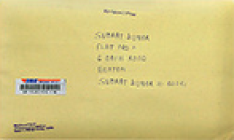 Front view
 Side view
 Back view
Your order will be securely packed and shipped within 24 hours. This is exactly what your package will look like (images of an actual item sent). It has the size and look of a regular private letter (9.4x4.3x0.3 in. or 24x11x0.7 cm) and its contents cannot be seen.
Modalert — Comparison with alternatives
Modalert Current Best rated

Memantine

Azilect Best price

Brahmi

Mentat
Reviews and Experiences
Sources
- MOHAP (2026). National guidance for safe prescribing and monitoring of controlled and semi‑controlled medicines in outpatient care. ↑
- European Medicines Agency (EMA) (2026). Modafinil: European public assessment and risk management overview. ↑
- PubMed (2025). Modafinil augmentation for fatigue and hypersomnia symptoms in depressive disorders: clinical evidence summary. ↑
- WHO (2026). Pharmacovigilance guidance: managing clinically relevant drug–drug interactions for CNS‑active medicines. ↑
- WHO (2026). WHO Drug Information: Modafinil—pharmacology, indications, and safety profile. ↑
