

Memantine
5 customer reviewsMemantine is a prescription medicine (an NMDA-receptor antagonist) used for Alzheimer’s dementia. It is for adults with moderate to severe symptoms that affect daily function and safety. It helps by modulating glutamate signalling to reduce harmful overstimulation of nerve cells.
What is it?
Memantine is a prescription medicine used to manage moderate to severe dementia associated with Alzheimer’s disease. It is intended for adults whose symptoms affect daily function and safety, such as memory, orientation, and ability to carry out routine tasks. Memantine works by regulating glutamate signalling in the brain through NMDA-receptor antagonist activity, which can reduce “overstimulation” of nerve cells.
Memantine is a medication primarily used to manage moderate to severe dementia associated with Alzheimer’s disease. It works by regulating glutamate activity in the brain, which can help improve cognitive function and slow the progression of symptoms. Memantine is typically prescribed when other dementia treatments are no longer sufficient or as an add-on therapy. [1]
Composition
Active ingredient: memantine (commonly as memantine hydrochloride) in tablet form. Excipients typically include tablet fillers and binders (e.g., cellulose derivatives), disintegrants, and lubricants (e.g., magnesium stearate); exact composition varies by manufacturer.
How to use?
Memantine tablets are taken by mouth. Dosing is usually started low and increased stepwise (titration) to reduce side effects, with the maintenance dose chosen by the prescriber based on tolerability and kidney function. Memantine can be taken with or without food, and taking it at the same time each day tends to reduce missed doses.
A common titration pattern in clinical practice is weekly increases until the target dose is reached, since dizziness and constipation are more likely with rapid dose jumps. For people with kidney impairment, clinicians often use lower maximum doses.
Key points patients and caregivers use in real life:
- Take it once daily or twice daily as prescribed (both schedules are used in practice).
- Swallow the tablet with water; keep a consistent routine.
- If a dose is missed, take the next scheduled dose at the usual time; do not double up.
- If therapy is interrupted for several days, prescribers often restart titration rather than jumping back to the prior dose.
A technical detail you may hear: Memantine Hydrochloride (Memantine Hcl) is the salt form used in many regulatory dossiers, and some labels describe equivalence (for example, “equiv. to 8.32 mg memantine” when a certain Memantine Hcl strength is stated). This matters for pharmacists checking bioequivalence, not for day-to-day dosing.
How does it work?
- Route: oral (tablets)
- Starting dose: 5 mg once daily
- Titration: increase by 5 mg/day at weekly intervals as tolerated
- Week 1: 5 mg once daily
- Week 2: 10 mg/day (5 mg twice daily or 10 mg once daily if using 10 mg tablets)
- Week 3: 15 mg/day (10 mg morning + 5 mg evening)
- Week 4 and maintenance: 20 mg/day (10 mg twice daily)
- Timing: take at the same time(s) each day; may be taken with or without food
- Duration: long-term maintenance as prescribed; reassess periodically for ongoing benefit
Indications
Memantine is mainly used for moderate to severe Alzheimer’s disease, where symptoms go beyond mild forgetfulness and begin to interfere with dressing, eating, bathing, medication use, and safe judgement. In practice, clinicians use it to help stabilise cognition and daily functioning, so caregivers often see fewer “bad days,” less confusion, and slightly improved ability to engage in basic routines.
It can also be used in dementia diagnoses where Alzheimer’s pathology is mixed with other causes (often described as mixed dementia), when the treating clinician expects an NMDA approach to be useful. The goal is symptom management, not a cure. Benefits are usually incremental: attention may improve first, then participation in daily activities, while memory gains are often modest.
One sentence that matters: Memantine is used for moderate to severe stages.
Comparison
Memantine works on glutamate via NMDA receptor antagonist action, while cholinesterase inhibitors increase acetylcholine signalling. This difference is why clinicians may add Memantine when a person is already on a cholinesterase inhibitor, rather than replacing it. Some patients do best on combination therapy, while others stop one agent due to side effects like nausea, bradycardia, or weight loss seen with cholinesterase inhibitors.
Quick comparison
| Medicine | How it works | Typical place in therapy |
|---|---|---|
| Memantine | NMDA-receptor antagonist; modulates glutamate | Moderate to severe Alzheimer’s dementia; add-on or switch when symptoms progress |
| Donepezil (Aricept) | Cholinesterase inhibitor; boosts acetylcholine | Mild to moderate Alzheimer’s; sometimes continued into later stages |
| Rivastigmine | Cholinesterase inhibitor (and butyrylcholinesterase) | Mild to moderate dementia; also used in Parkinson’s dementia |
Practical difference patients notice: cholinesterase inhibitors often cause gastrointestinal effects and vivid dreams, while Memantine more often causes dizziness or constipation. Another difference is heart rate: Donepezil can slow pulse in susceptible people, which is a reason prescribers review ECG history when falls and fainting enter the story.
Contraindications
- Hypersensitivity to memantine
- Prior severe hypersensitivity reaction where memantine was suspected
Not recommended for
Avoid Memantine if you have ever had an allergic reaction to memantine.
Be extra careful and speak with your prescriber if you have significant kidney disease or your kidney function changes often, since side effects like dizziness, sleepiness, or confusion can be worse. Tell your clinician if you have a seizure history or severe psychiatric symptoms, because behaviour and perception changes can be harder to interpret during treatment.
Side effects
Most people tolerate Memantine reasonably well, yet side effects can still affect adherence. The most reported issues include dizziness, headache, constipation, sleepiness, and raised blood pressure. In a real household setting, dizziness is the side effect that creates the most practical trouble because it increases fall risk during night bathroom trips.
Less common but more serious reactions need urgent assessment:
- An unusual or allergic reaction to memantine (hives, swelling of lips/face, breathing difficulty)
- Severe skin reactions (widespread rash, blistering, peeling)
- Marked worsening confusion, agitation, hallucinations, or sudden behaviour change
- Fainting, chest pain, or new irregular heartbeat symptoms
Memantine can make some people feel “spaced out” during the first titration steps. This is usually time-limited, but it is a reason clinicians increase doses gradually and may shift dosing time to reduce daytime impairment.
If someone is allergic to memantine or has had allergic reactions to other medications, foods, dyes, or preservatives, share that history with the prescriber early. In pharmacy practice, this is one of the best predictors of whether a patient will stop a new medicine after the first rash.
Common mistakes
Most problems with Memantine are not “dangerous drug reactions.” They are routine process mistakes.
- Stopping suddenly after a few missed doses, then restarting at the old full dose and triggering dizziness or confusion.
- Mixing up “progression of dementia” with constipation, dehydration, or a urinary infection that began the same week as a dose increase.
- Taking over-the-counter antimuscarinics for bladder symptoms without realising they can worsen confusion and undermine cognition.
- Ignoring blood pressure changes in someone who already had hypertension, then attributing headache or dizziness only to Memantine.
- Caregivers splitting responsibilities without a single medication owner, which raises the chance of double dosing.
Doctor opinions
In clinic, neurologists and geriatricians often describe Memantine as a “function-preserving” medicine rather than a “memory-restoring” one. The best responses tend to be seen when caregivers track concrete tasks: dressing with fewer prompts, less wandering, fewer episodes of getting lost inside the home, and calmer transitions between activities.
Doctors also watch for a common trap: a patient looks worse during titration, the family assumes the medicine failed, and it gets stopped before the nervous system adapts. A short-term dip can happen from dizziness, sleepiness, or constipation-related discomfort. When clinicians anticipate this and titrate slowly, discontinuations drop in my experience.
Frequently asked questions
Can Memantine cure Alzheimer’s disease?
Memantine does not cure Alzheimer’s disease. It is used to manage symptoms and maintain function, with benefits that are usually modest and measured over weeks to months. The WHO describes dementia as a progressive condition where medicines may improve symptoms or slow decline for a time, while supportive care remains central. As of 2026, treatment goals are typically framed around daily function, safety, and caregiver burden rather than “reversing” disease. [4]
How long does it take for Memantine to work?
Some families notice small changes in attention or cooperation within 2–4 weeks, yet the more reliable way to judge benefit is over 8–12 weeks at a stable maintenance dose. Early side effects during titration can mask benefit, so clinicians often avoid judging response during the first dose steps. EMA product information for memantine supports titration to improve tolerability and then assessment at a stable dose. As of 2026, most prescribers use structured follow-up rather than relying on “day-to-day” impressions. [5]
Can Memantine be taken with Donepezil or rivastigmine?
Yes, Memantine is often combined with Donepezil (Aricept) or rivastigmine because they work on different neurotransmitter systems. The key is to separate “expected overlap” from side effects that add up, like dizziness plus slow heart rate, which can increase falls. If appetite drops, nausea starts, or fainting episodes occur, clinicians often adjust the cholinesterase inhibitor first. In 2026 practice, combination therapy is common when a person transitions into moderate to severe Alzheimer’s dementia.
What happens if a dose of Memantine is missed?
If one dose is missed, most prescribers advise taking the next dose at the usual scheduled time and skipping the missed one, since double dosing increases dizziness and confusion risk. If several days are missed, clinicians frequently restart at a lower dose and titrate again, since tolerance can fade. The safest approach is consistency: same time, same caregiver, same routine. In 2026 clinical workflows, medication logs are a standard tool in dementia care.
Is Memantine sedating, and is it better in the morning or at night?
Memantine can cause sleepiness in some people and insomnia in others, so the “best” timing depends on the individual pattern. If daytime sleepiness appears, evening dosing can help; if vivid dreams or night waking worsens, morning dosing may be preferred. A practical way to decide is to track sleep and daytime alertness for 1–2 weeks after each titration step, then lock the schedule. As of 2026, clinicians still individualise timing because trials show variable tolerability profiles across patients.
Does Memantine help with memory loss and memory tasks?
Memantine may help certain cognitive domains such as attention, processing, and the ability to engage with guided memory tasks, even when short-term recall remains impaired. Caregivers often see the biggest gains in “participation” rather than pure memory scores: answering questions, following a two-step instruction, or staying oriented in a familiar room. Improvements are usually partial, so it helps to set measurable targets like fewer prompts for dressing or fewer episodes of getting lost at home. In 2026, dementia clinics commonly combine medication with structured routines and environmental cues to maximise day-to-day function.
Do you offer anonymous delivery?
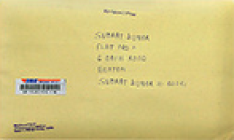 Front view
 Side view
 Back view
Your order will be securely packed and shipped within 24 hours. This is exactly what your package will look like (images of an actual item sent). It has the size and look of a regular private letter (9.4x4.3x0.3 in. or 24x11x0.7 cm) and its contents cannot be seen.
Memantine — Comparison with alternatives
Memantine Current

Modalert Best rated

Azilect Best price

Brahmi

Mentat
Reviews and Experiences
Sources
- European Medicines Agency (EMA) (2026). Memantine: EPAR – Product information and clinical overview. ↑
- European Medicines Agency (EMA) (2026). Memantine: Summary of pharmacological properties and interaction profile. ↑
- MOHAP (Ministry of Health and Prevention) (2026). National guidance framework for safe prescribing and monitoring in older adults. ↑
- World Health Organization (WHO) (2026). Dementia: Fact sheet and treatment approaches. ↑
- European Medicines Agency (EMA) (2026). Memantine: Posology, titration schedule, and special population considerations. ↑
