

Micogel
5 customer reviewsMicogel is a topical antifungal cream containing miconazole. It is for adults and older children with common fungal skin infections. It works by disrupting fungal cell membrane formation to help clear the infection as skin heals.
What is it?
Micogel is an antifungal medicine for fungal skin infections. It is used when symptoms like itching, redness, flaking, cracking, or a “spreading edge” rash suggest a dermatophyte infection (tinea) or another superficial fungal problem.
Composition
Active ingredient: miconazole nitrate (antifungal). Excipients may include gel-forming agents, purified water, humectants, and preservatives to stabilize the gel and support skin application; exact excipient list depends on the specific product version.
How to use?
Start with clean, dry skin. Apply Micogel in a thin film and keep to a steady routine.
A practical application routine:
- Wash the affected skin with mild soap or cleanser.
- Dry fully, including between toes and within folds.
- Apply a thin layer to the rash and a small margin of surrounding skin.
- Wash hands after application (unless hands are the treated area).
- Keep the area as dry as possible between applications.
Micogel Cream should be used in the dose and duration as prescribed by your doctor. Micogel Cream should be used regularly to get the most benefit from it.
Three short reminders matter. Do not rush. Do not stop early. Keep the area dry.
If you miss an application, apply it when you remember and return to your normal schedule. Doubling the amount rarely helps and often irritates.
How does it work?
- Route: topical (apply to skin only)
- Dose: apply a thin layer to cover the affected area and 1–2 cm of surrounding skin (typical amount about 0.5–1 g per application; equals roughly a 1–2 cm ribbon of gel)
- Frequency: 2 times/day (morning and evening)
- Timing: apply on clean, dry skin; can be used regardless of meals
- Duration: usually 2–4 weeks; continue for 7 days after symptoms resolve
- Avoid: contact with eyes, mouth, and mucous membranes; do not apply to large broken skin areas
Indications
Micogel is a topical antifungal cream used to treat common fungal skin infections such as athlete’s foot, ringworm, and jock itch.
Micogel is commonly used for:
- Athlete’s foot (tinea pedis): itching and peeling between toes, burning soles
- Jock itch (tinea cruris): itchy rash in the groin folds, often with a defined border
- Ringworm (tinea corporis): circular patches with a clearer center and a more active outer rim
- Candidal skin infections: in warm, moist areas where skin rubs (under-breast, skin folds)
Two quick expectations help people use Micogel well. The skin can look calmer before the fungus is fully suppressed. Relapse happens when treatment stops too early.
Comparison
Micogel is one option within topical antifungals. Alternatives can differ by active ingredient, spectrum, and how inflamed the skin is.
Choice is usually based on site of infection (feet vs groin vs folds), severity, suspected organism, and whether bacterial infection is also present. EMA guidance on topical antifungal use in skin infections supports matching the agent and formulation to the clinical picture rather than switching randomly after a few applications [4].
Contraindications
- Hypersensitivity/allergic reaction to miconazole, miconazole nitrate, or other azole antifungals
- Application to the eyes or inside the mouth
- Use on a deep open wound, extensive raw skin, or a severe burn where a topical antifungal cream is unsuitable
- Clinically significant interaction risk with warfarin and related anticoagulants (reported raised INR/bleeding risk) [3]
Not recommended for
Do not use Micogel if you have ever had an allergic reaction to miconazole or other azole antifungals. Do not apply it in or near the eyes or inside the mouth. Avoid using it on deep open wounds, large areas of raw/broken skin, or severe burns.
If you take blood thinners such as warfarin, tell a clinician before using Micogel because interactions have been reported and monitoring or an alternative may be needed [3].
Side effects
Most side effects from Micogel are local skin reactions where it is applied. They often settle as the skin adapts.
Commonly reported effects include:
- Mild burning or stinging after application
- Itching, redness, or irritation
- Dryness or peeling
Less common, seek medical review sooner:
- Worsening swelling, blistering, weeping, or severe pain
- Signs of allergy like widespread hives or facial swelling
- A rash that spreads rapidly beyond the treated area
Micogel F Ointment can cause dryness, and combined steroid–antifungal products can also thin skin when used too long on delicate areas. That risk is one reason clinicians keep steroid combinations time-limited and targeted.
One human detail that surprises people: the first few applications can sting more on fissured skin (heels, between toes). A thin layer and good drying technique usually makes that manageable.
Common mistakes
The same avoidable missteps show up again and again, and they explain most “Micogel didn’t work” stories.
- Stopping when itch stops: symptoms can improve before fungal clearance.
- Applying on wet skin: moisture dilutes the product and supports fungal growth.
- Using a thick layer: more product can mean more irritation, not faster cure.
- Treating only the center of the rash: ringworm grows outward; the edge is where active fungus sits.
- Sharing towels or socks at home: it spreads spores and restarts infection cycles.
- Mixing with potent steroid creams without a plan: this can alter the appearance of tinea (“tinea incognito”) and delay proper control.
Doctor opinions
In clinic, clinicians often judge response by two tracks: symptom relief and edge control. The itch may settle within days, yet the “active border” of ringworm can keep spreading if dosing is inconsistent.
Doctors also see a common pattern after gym or pool exposure: people treat only the visible rash but keep re-inoculating their feet from damp shoes, shared floors, or sweaty socks. That is why a dermatologist may ask about footwear habits, not just the cream used.
A second clinical reality is misdiagnosis. Eczema, psoriasis, and contact dermatitis can mimic fungal rashes, and steroid creams can temporarily improve redness while the fungus continues to grow underneath. When a rash worsens, changes shape, or keeps returning in the same place, clinicians often switch from self-treatment to confirmation by skin scraping and microscopy or culture.
One more detail from practice: if a patient reports a new rash that looks more angry after starting treatment, the first question is where the product was applied—eyes, mouth area, or broken skin can react strongly and needs different management.
Frequently asked questions
How quickly does Micogel start working?
Most people feel less itch and irritation within a few days, yet visible scaling and edge activity can take longer to settle because the outer skin layers replace gradually. For athlete’s foot and ringworm, consistent daily use is usually needed for weeks, not days. If symptoms worsen or the rash keeps expanding, clinicians reassess the diagnosis and may confirm fungus by testing. WHO essential medicines guidance updated in 2026 lists topical azoles like miconazole as standard options for superficial fungal infections, with treatment duration driven by site and severity.
Can Micogel be used on the face?
Facial skin is more reactive, and many facial rashes are not fungal. Clinicians often prefer diagnosis confirmation before putting antifungals near the eyes, because accidental eye exposure can cause marked irritation. If Micogel is used on the face, a very thin layer and careful handwashing after application reduces the chance of product transfer to the eyes. MOHAP patient safety materials in 2026 continue to emphasise avoiding eye contact with topical medicines and seeking review for persistent facial rashes [5].
Is burning after application normal?
A mild, brief sting can happen, especially on cracked skin or in folds where sweat and friction are present. Persistent burning, swelling, blistering, or pain suggests irritation or allergy and needs a change in plan. Many patients reduce stinging by applying after full drying and by using a thinner film rather than a thick layer. EMA safety reviews for topical antifungals describe local irritation as a common, usually mild effect that resolves with appropriate use.
Can I use Micogel with a moisturiser?
Yes, and it can help if fungal infection has led to dryness and cracking, especially on feet. Put Micogel on first so the antifungal contacts the skin surface, then moisturise after it absorbs. Using moisturiser first can act like a barrier and lower contact between miconazole and the affected stratum corneum. WHO guidance in 2026 supports adjunct skin care (drying, barrier support) alongside antifungals for tinea pedis to reduce recurrence risk.
What if the rash improves but comes back soon after stopping?
Relapse usually means the fungus was suppressed but not fully cleared, or reinfection occurred from socks, shoes, towels, or close contacts. A common pattern is stopping when itch stops, even though the fungal load at the border remains active. Another reason is a wrong diagnosis, such as eczema, where antifungal use gives partial relief but does not address the underlying inflammation driver. MOHAP clinical awareness messaging in 2026 highlights recurrence as a prompt to review diagnosis and hygiene sources, not just to reapply more product.
Can Micogel be used during pregnancy or breastfeeding?
Topical miconazole has low systemic absorption when used on intact skin, which is why clinicians often consider it acceptable when there is a clear need. Pregnancy and breastfeeding still change the risk-benefit balance, and the treated area matters, since broken skin and large areas can increase absorption. Avoid applying on the breast or nipple area to prevent infant exposure during feeds. EMA monographs and safety summaries for topical azoles describe pregnancy use as clinician-guided, with attention to exposure area and duration.
Do you offer anonymous delivery?
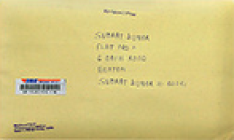 Front view
 Side view
 Back view
Your order will be securely packed and shipped within 24 hours. This is exactly what your package will look like (images of an actual item sent). It has the size and look of a regular private letter (9.4x4.3x0.3 in. or 24x11x0.7 cm) and its contents cannot be seen.
Micogel — Comparison with alternatives


Micogel Cream vs. Ointment: Understanding the Different Formulations
Micogel on this page is a cream in a tube, which usually feels lighter on the skin and tends to be preferred for hairy areas, skin folds, or places where you want faster absorption and less greasiness.
An ointment (in general) is oilier and more occlusive than a cream. It can be useful when skin is very dry and cracked, but the occlusion can also trap moisture in some areas, which fungi like. The formulation choice is clinical, not cosmetic.
Important Safety Advice When Using Micogel
Micogel Cream is for external skin use. Avoid contact with eyes, mouth, and open wounds.
Pregnant women should consult their doctor before using Micogel Cream. Breastfeeding women should consult their doctor before using Micogel Cream.
Extra safety points that matter in real life:
- Avoid covering large areas with airtight dressings unless your clinician specifically advised it, since occlusion can increase irritation.
- Be careful around the genital area; skin there absorbs more and irritates faster.
- If the rash is on the face or near eyes, clinicians often prefer a confirmed diagnosis first because many facial rashes mimic fungus.
A practical limitation: if there is no improvement after a reasonable treatment window, clinicians reassess the diagnosis, adherence, and reinfection sources. Persistent rashes sometimes need oral antifungals or a different diagnosis pathway guided by local clinical standards and essential medicines guidance [2].
Reviews and Experiences
Sources
- European Medicines Agency (EMA) (2026). Miconazole: overview of pharmacology, indications, and adverse effects for topical use. ↑
- World Health Organization (WHO) (2026). WHO Model List of Essential Medicines: medicines for fungal diseases (topical azoles). ↑
- PubMed (2025). Case reports and reviews on miconazole–warfarin interaction and INR elevation. ↑
- European Medicines Agency (EMA) (2025). Guidance on management of superficial fungal infections and appropriate topical antifungal selection. ↑
- MOHAP (Ministry of Health and Prevention) (2026). Patient medication safety guidance for topical skin medicines (safe application and red flags). ↑
