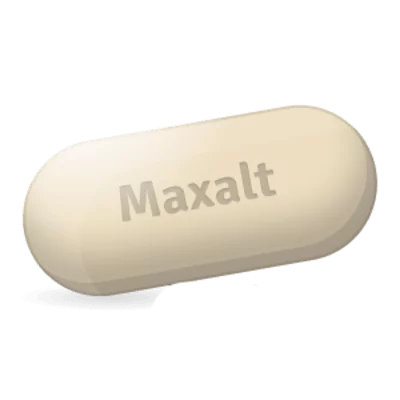
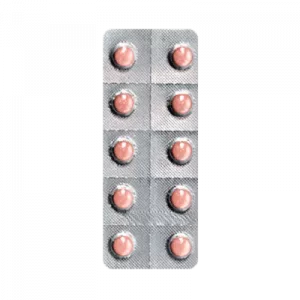
Maxalt is a tablet medicine containing rizatriptan, a triptan for adults with migraine attacks. It is used at the start of a migraine to help relieve headache pain and related symptoms. It works by activating serotonin receptors that narrow cranial blood vessels and calm migraine pain signaling.
Description
Maxalt, containing the active ingredient Rizatriptan, is an acute migraine treatment in tablet form. It is intended for adults who need relief once a migraine attack has started, with or without aura. As a triptan-class medicine, it targets serotonin (5‑HT1) receptors to narrow dilated cranial blood vessels and reduce migraine-related pain signalling. [1]
Maxalt is a brand name for rizatriptan (rizatriptan benzoate), a triptan used for acute migraine attacks. It is taken when the migraine begins, not every day to stop migraines from happening. It can help headache pain and migraine-associated symptoms such as nausea, photophobia, and sensitivity to sounds.
Composition
Maxalt tablets contain rizatriptan.
Rizatriptan is in the triptan-class of migraine medicines. The strength offered on this page is 10 mg per tablet.
Dosage and usage
Start with one tablet at the onset of a migraine attack. If symptoms improve and then return, a second dose can be taken after at least 2 hours. The maximum daily dose is 30 mg in 24 hours.
Take Maxalt by mouth with water. It can be taken with or without food. If nausea is part of your migraine pattern, taking a few sips of water first and then the tablet can reduce gagging during the attack.
Dosing Steps People Follow in Real Life
Take 10 mg once, as soon as migraine pain starts.
Wait at least 2 hours before any second dose.
Stop at 30 mg total in 24 hours.
Practical tip: if your migraine includes vomiting, keep an anti-nausea plan discussed with your prescriber. A triptan cannot work well if it does not stay down long enough to absorb.
Maxalt and Maxalt-MLT Formats
Some markets also carry Maxalt-MLT / “wafer” forms (including 5 mg wafer presentations) designed to dissolve on the tongue. This page is for tablet Maxalt, swallowed orally.
Feature
Maxalt Tablets
Maxalt-MLT
How it’s taken
Swallowed with water
Dissolves on the tongue
How it works
Maxalt (rizatriptan) tablets are taken by mouth for acute migraine treatment.
Take 5 mg or 10 mg as a single dose at the first sign of migraine.
If the migraine returns, another dose may be taken after at least 2 hours.
Do not take more than 30 mg in 24 hours.
Take the tablet with water, with or without food.
If nausea is present, the tablet may be taken without regard to meals.
Use only during a migraine attack; do not use it every day.
Use the dose and schedule prescribed by a doctor, especially if you have liver disease or take other medicines.
Indications
Maxalt is intended for migraine attacks (with or without aura). It is not a general painkiller, and it is not designed for medication overuse headache—frequent dosing can contribute to that cycle rather than solve it. If headaches become more frequent, clinicians usually reassess the diagnosis, the trigger profile, and the need for preventive therapy. [3]
Comparison
Maxalt (rizatriptan) sits in the triptan-class alongside options such as sumatriptan (Imitrex). Clinically, choice often comes down to speed of relief for the individual, tolerability, and whether nausea/vomiting is prominent in the attack. Some patients do better with one triptan than another even when both are taken correctly.
Preventive medicines like topiramate (Topamax) are a different category: they aim to reduce attack frequency over weeks to months and do not abort a migraine that has already started. Ergotamine products are older acute options, still used in selected cases, but they also carry vasoconstriction limits and interaction considerations.
Concomitant use of ergotamine or ergotamine-like medicines
Concomitant use with MAO inhibitors
When this is not for you
Maxalt is not meant for people with serious heart or blood vessel disease, a past stroke or TIA, uncontrolled high blood pressure, or a known allergy to rizatriptan. It is also not a good choice if you use another triptan or an ergotamine medicine at the same time.
People with significant liver or kidney disease may need extra caution and an individual dose plan. If you have migraine together with chest pain history, tell your prescriber before using any triptan.
Side effects
Most side effects are short-lived and mild, and many happen close to the time the migraine is easing. Commonly reported adverse effects include dizziness, tiredness or sleepiness, dry mouth, and tingling or numbness in the hands or feet. Some people describe a heavy feeling in the limbs or a “warm flush,” which can be unsettling but often passes.
Less common effects can include palpitations, chest tightness, shortness of breath, or a marked rise in blood pressure. Allergic reactions such as rash, itching, or facial swelling can occur and need urgent medical attention.
Common mistakes
Small missteps can turn a good acute medicine into a disappointing one.
Using Maxalt for daily prevention. It is for acute relief of migraine, not for stopping future attacks, and overuse can backfire.
Taking a second dose too soon. The 2-hour interval is there to limit side effects and excessive vasoconstriction.
Mixing with another triptan or ergotamine the same day. This is a common “desperation move” during severe attacks and it raises risk.
Treating the wrong headache. Cluster headache, tension headache, and secondary headaches need different assessment.
Ignoring medication overuse headache. Frequent use of acute medicines can keep the brain in a sensitised state, making headaches more frequent. [2]
Practical tip: keep a simple migraine log for four weeks—attack date, time Maxalt was taken, relief at 2 hours, and whether a second dose was needed. This is the exact data neurologists use to refine a plan.
What doctors say
In headache clinics, Maxalt is often framed as an “attack-stopper,” not a prevention tool. Doctors commonly ask two questions: how fast it works for you, and how often you need it per month. If you need frequent rescue doses, clinicians start thinking about prevention strategies and triggers rather than escalating acute therapy.
Timing is where prescribers see the biggest difference. People who treat early—once they recognise their typical migraine pattern—often report fewer repeat doses and less “hangover” the next day. People who delay until the pain is intense and nausea is established tend to need a second dose more often and have more functional downtime.
Frequently asked questions
How long does Maxalt last once it works?
Duration varies, and some people get a “rebound” of the same attack later in the day. When symptoms return after initial relief, a second dose can be used if at least 2 hours have passed and you stay within the maximum daily dose. WHO headache resources describe recurrence as a common migraine pattern issue and a reason to optimise acute timing and prevention. [5]
What should I do if the first tablet does not help?
If there is no improvement at all after the first dose, repeating immediately is not advised; most protocols still keep the 2-hour separation rule. Lack of response can mean the dose was late, the headache type was not migraine, or the attack was unusually severe. Clinicians often reassess diagnosis and consider alternative acute plans when a triptan repeatedly fails.
Can I use Maxalt for migraine prevention?
Maxalt is for acute relief of migraine attacks, not for prevention. Using acute medicines too often can contribute to medication overuse headache, where headache frequency increases and treatment becomes less predictable. Prevention is usually handled with scheduled therapies and trigger management, selected based on attack frequency and comorbidities.
Is Maxalt suitable if I have high blood pressure?
Uncontrolled hypertension is a contraindication because rizatriptan can constrict blood vessels. If blood pressure is well-controlled, prescribers may still consider a triptan after evaluating cardiovascular risk factors and overall history. This risk-based approach aligns with how regulators and guideline bodies frame triptan use.
Can I take Maxalt with antidepressants?
SSRIs and SNRIs can be used with triptans in some patients, but the combination can increase the risk of serotonin syndrome. The practical approach is to ensure your prescriber knows the exact antidepressant and dose, then watch for warning symptoms like agitation, tremor, heavy sweating, diarrhoea, fever, and confusion after taking Maxalt. If those symptoms appear, urgent medical review is needed.
Do you offer anonymous delivery?
Your order will be securely packed and shipped within 24 hours. This is exactly what your package will look like (images of an actual item sent). It has the size and look of a regular private letter (24x11x0.7 cm) and its contents cannot be seen.
I took Maxalt as soon as the headache started and usually felt the pain drop within about 45 minutes. I still needed a second tablet on two very strong attacks. Mild dry mouth and I got sleepy, so I stopped taking it if I had to be on calls.
8 Nov 2024
O
Omar, 41
Abu Dhabi
Using for 8 weeks
Verified
Rating: 3.5 out of 5
For me it worked best when I caught the migraine early. When I waited until the nausea started, it helped but didn’t fully clear the sensitivity to light. I also felt tingling in my fingers for an hour.
15 Nov 2024
A
Aisha, 29
Sharjah
Using for 3 months
Verified
Rating: 3 out of 5
The first dose worked, but I had a tight feeling in my chest once and it scared me. It went away after maybe 20 minutes, but I didn’t repeat the dose that day and booked a check-up. After that, I used it only when I was sure it was a migraine.
24 Nov 2024
K
Khalid, 38
Al Ain
Using for 6 months
Verified
Rating: 4.2 out of 5
Maxalt was reliable for the headache itself. The downside was next-day fatigue if I took it late at night. Keeping a migraine log helped me spot that late dosing was my issue, not the medicine.
3 Dec 2024
S
Sarah, 52
Sharjah
Using for 2 months
Verified
Rating: 3 out of 5
It helped, but I got a lot of dizziness and felt too drowsy to function normally. I would rate it 3/5 because it worked, but the side effects were hard for me.
7 Dec 2024
Sources
FDA (2011). MAXALT (rizatriptan benzoate) Tablets — Prescribing Information