
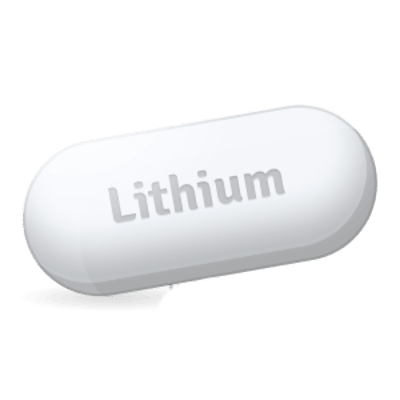
Lithium
4 customer reviewsLithium is an oral mood stabiliser containing lithium carbonate. It is for adults with bipolar disorder or recurrent mood conditions who need long-term maintenance treatment. It helps stabilise brain signalling to reduce the frequency and intensity of manic and depressive episodes.
What is it?
Lithium is a naturally occurring element used in medicine as a mineral salt (a lithium compound). In psychiatry, Lithium is one of the best-established mood stabilisers for long-term care in bipolar disorder, where the core goal is fewer relapses and smoother day-to-day functioning.
Lithium compounds exist in several chemical forms in the wider world, but in clinical treatment the focus is on forms that allow predictable blood levels and reliable monitoring.
In real prescribing, Lithium often becomes the “maintenance backbone” when relapse prevention matters.
Composition
Active ingredient: lithium (commonly as lithium carbonate) in tablet form. Excipients may include tablet binders, fillers, and disintegrants such as microcrystalline cellulose, starch, povidone, magnesium stearate, and silica; exact excipients vary by manufacturer.
How to use?
Lithium dosing is individual. Two people on the same tablet strength can end up with very different lithium plasma level results because the kidneys clear lithium and that clearance changes with hydration, sodium balance, and interacting medicines.
Lithium has a narrow therapeutic range. A dose that is too low may not prevent relapse, while a dose that is too high can produce toxicity. This is why clinicians use blood tests to guide dose adjustments, aiming for a target lithium plasma level appropriate to the clinical phase (acute vs maintenance) and the person’s risk profile [2].
- Swallow the tablets with water.
- Take doses at evenly spaced times daily.
- If you miss a dose, take the next dose at the usual time. Do not double.
- Maintain steady fluid intake day to day.
- Avoid sudden changes in caffeine intake; large shifts can change hydration patterns.
How does it work?
- Route: oral (tablets), swallowed with water.
- Starting dose: 300 mg 2–3 times/day.
- Typical maintenance dose: 600–1,200 mg/day in 2–3 divided doses.
- Acute mania dose range: 900–1,800 mg/day in 2–3 divided doses.
- Timing: take after meals or with food; take the last dose in the evening if prescribed multiple daily doses.
- Duration: long-term maintenance as prescribed; dose adjustments are made after 5–7 days based on serum lithium levels.
- Monitoring target (12-hour trough): generally 0.6–1.0 mmol/L for maintenance; up to 0.8–1.2 mmol/L for acute mania if tolerated.
- Missed dose: take as soon as remembered the same day; if close to the next dose, skip the missed dose and continue the schedule; do not double.
Indications
Lithium is used as a mood stabilizer (mood stabiliser) in Bipolar Disorder and related recurrent mood conditions. It is used for acute stabilisation in mania and, more importantly for many people, for prophylaxis of bipolar disorders—meaning long-term prevention of future episodes. In guideline-based care, Lithium is a first-line medication for long-term maintenance therapy in bipolar disorder, especially when classic manic episodes and high relapse risk are present. This role is consistently reflected in international mental-health guidance and clinical practice patterns [1].
A practical way to think about it: antidepressants can lift mood, antipsychotics can calm agitation, but Lithium is often chosen for steadiness across seasons of illness.
Lithium can also be used alongside other psychiatric medication (for example, an antipsychotic during acute mania, or an antidepressant in carefully selected bipolar depression), but combination choices are individual and should be planned to avoid toxicity and side-effect stacking.
Comparison
Lithium is found in different lithium salts. Two names people run into are Lithium Orotate and Lithium Carbonate. These are different chemical carriers for lithium, and they are not interchangeable in clinical practice.
Lithium carbonate (Li₂CO₃) is the form most associated with psychiatric medication standards, because it supports therapeutic dosing and plasma level monitoring. Other lithium compounds like lithium hydroxide (LiOH) are used for industrial and chemical purposes, not for routine mood-stabiliser prescribing.
Some products in the market are positioned as low dose lithium supplement options for men & women. Those discussions usually centre on lithium orotate and “microdose” concepts, which are separate from Lithium used for bipolar disorder treatment.
Both Lithium Orotate and Lithium Carbonate are lithium salts, yet the evidence base and clinical expectations differ. For medically supervised mood stabilisation, Lithium on this page uses lithium carbonate, which is the prescription-grade standard for serious mood conditions.
| Feature | Lithium carbonate (as in Lithium) | Lithium orotate |
|---|---|---|
| Best-supported use | Bipolar disorder maintenance, mania control, relapse prevention | Marketed as a low dose lithium supplement in some settings |
| Evidence & monitoring | Extensive clinical use with plasma level monitoring | Limited clinical evidence for psychiatric endpoints; plasma monitoring is not standardised |
Contraindications
- Severe renal failure
- Significant heart disease or abnormal heart rhythms
- Hyponatremia (low blood sodium)
- Dehydration or conditions with major fluid loss (vomiting, diarrhoea, heavy sweating without replacement)
- Pregnancy or breastfeeding when risks outweigh benefits
Not recommended for
Lithium may not be suitable if you have serious kidney problems, heart rhythm or major heart conditions, or low blood sodium. It can be unsafe if you are dehydrated or losing fluids from vomiting, diarrhoea, or heavy sweating without replacing fluids and salt. Extra caution is needed if you are pregnant, breastfeeding, or have thyroid disease, and you should only use it with a specialist plan and monitoring.
Side effects
Common side effects reported with Lithium include hand tremor, thirst, increased urination, weight gain, tiredness, and gastrointestinal upset such as nausea or diarrhoea. Many of these are dose-related and improve when dosing is adjusted or when the body adapts over the first weeks.
Less common but clinically important risks include kidney effects over time, thyroid problems (including hypothyroidism), and electrolyte imbalance. Toxicity risk rises when Lithium accumulates, often due to dehydration, drug interactions, or kidney function decline. Warning signs that should be treated as urgent include worsening tremor, unsteady walking, slurred speech, persistent vomiting, confusion, or severe drowsiness, because these can signal a high lithium plasma level [3].
A practical tip from real follow-ups: persistent “new thirst” plus waking multiple times nightly to urinate is not just annoying—it can be a clinical clue that needs a check-in.
Common mistakes
People usually struggle with Lithium for practical reasons, not because the medicine “doesn’t work.”
- Doubling a dose after forgetting one. This can spike lithium plasma level and trigger toxicity symptoms.
- Sudden salt restriction. A rapid drop in sodium intake can raise Lithium levels.
- Using ibuprofen or similar painkillers for a few days without thinking. Some NSAIDs reduce lithium clearance and can raise levels.
- Stopping Lithium abruptly after feeling better. Mood relapse risk rises, and the next stabilisation can be harder.
- Ignoring new tremor, vomiting, or marked drowsiness. These can be early toxicity signals rather than “normal side effects.”
One more nuance patients rarely hear early: a new fine tremor when holding a phone steady for a photo can be an early sign your level is trending high, even before you feel unwell.
Doctor opinions
In clinic follow-ups, doctors often watch three things more closely than patients expect: kidney function (eGFR/creatinine), thyroid function (TSH), and the pattern of thirst and urination. A common clinical observation is that mild hand tremor can be a “dose signal,” and it often improves after small dose adjustments or timing changes.
Some psychiatrists also warn about a real-world issue: changes in routine during travel or long work shifts in the UAE heat can raise dehydration risk, and dehydration can raise Lithium levels.
Frequently asked questions
How long does Lithium take to start working?
For acute mania, some people notice calming within several days, while full stabilisation often takes longer as dose and lithium plasma level are adjusted. For relapse prevention in bipolar disorder, the benefit is usually judged over weeks to months, not days. In 2026 guidance used across many services, Lithium remains a core maintenance option when long-term stability is the goal.
Do I need blood tests with Lithium?
Yes. Lithium plasma level checks are central to safe dosing because the therapeutic range is narrow and blood levels can change with dehydration, kidney function, and interactions. Monitoring often also includes kidney and thyroid labs, since trends matter as much as single results. This approach aligns with EMA-regulated product standards used across Europe and widely adopted internationally [4].
Is Lithium addictive?
Lithium does not cause addiction in the way sedatives or opioids can, and it does not create cravings. People can still feel unwell if they stop suddenly because mood symptoms can return, not because of drug-seeking behaviour. In 2025–2026 clinical education materials, this distinction is emphasised to reduce abrupt discontinuation.
Can I drink alcohol while taking Lithium?
Alcohol can increase dehydration risk and can disrupt sleep, both of which can destabilise mood and can raise toxicity risk indirectly. It may also add to drowsiness, slower reaction time, and poor coordination. WHO mental health materials updated in 2026 continue to flag alcohol as a factor that can worsen mood disorder outcomes and complicate treatment plans [5].
What should I do if I get vomiting or diarrhoea while on Lithium?
Vomiting and diarrhoea can dehydrate you and shift electrolytes, which can push Lithium levels upward. If symptoms are persistent or you cannot keep fluids down, treat it as urgent and contact your treating clinic for advice on holding doses and checking levels. Clinicians use lithium plasma level testing to decide the safest next step rather than guessing.
Can Lithium be used with other psychiatric medication?
Yes, Lithium is often combined with an antipsychotic during acute mania, and sometimes with an antidepressant for carefully selected bipolar depression. The prescriber chooses combinations based on symptoms, past response, and interaction risk, then uses monitoring to keep the plan safe. MOHAP-aligned care models in the UAE typically emphasise documented medication lists to prevent interaction surprises.
Do you offer anonymous delivery?
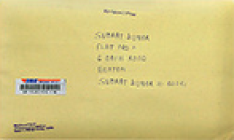 Front view
 Side view
 Back view
Your order will be securely packed and shipped within 24 hours. This is exactly what your package will look like (images of an actual item sent). It has the size and look of a regular private letter (9.4x4.3x0.3 in. or 24x11x0.7 cm) and its contents cannot be seen.
Lithium — Comparison with alternatives

Lithium Current Best rated

Haldol

Risperdal

Solian

Olanzapine Best price
Reviews and Experiences
Sources
- World Health Organization (2026). Mental health gap action programme (mhGAP): Bipolar disorder module. ↑
- National Institute for Health and Care Excellence (NICE) (2025). Bipolar disorder: assessment and management. ↑
- National Center for Biotechnology Information (NCBI) (2026). Lithium toxicity and monitoring review. ↑
- European Medicines Agency (EMA) (2026). Lithium-containing medicines: Summary of Product Characteristics framework and monitoring requirements. ↑
- World Health Organization (2026). Alcohol and mental health: clinical considerations for mood disorders. ↑
