Verified
My LDL dropped on the first follow-up blood test. I didn’t feel anything day to day, which was the point. Mild constipation in the first week, then it settled.
11 Dec 2024

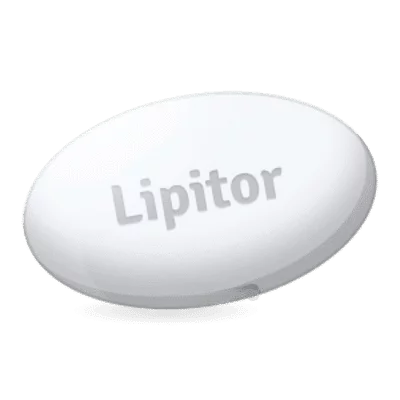
Lipitor is a brand-name atorvastatin tablet for adults with high LDL cholesterol, triglycerides, or dyslipidemia. It helps lower atherogenic lipids and reduces cardiovascular risk by blocking cholesterol production in the liver.
Lipitor is a brand-name tablet of atorvastatin used for lipid disorders where LDL cholesterol and triglycerides are elevated. Clinically, it’s used for dyslipidemia, mixed dyslipidemia, and hypertriglyceridemia, and it can also be used in more specific patterns like primary dysbetalipoproteinemia when a clinician is targeting abnormal lipid fractions as part of a cardiovascular prevention plan.
High cholesterol is silent for years, then shows up as atherosclerosis. Lipitor is used to reduce the long-term risk linked to that process, including myocardial infarction and stroke. The key idea is risk reduction over time, not a “feel it today” effect. Guidance on statin use and cardiovascular prevention is consistent across major public-health bodies, including WHO. [1]
Lipitor contains atorvastatin, a cholesterol-lowering medicine from the statins class. In many regulatory documents you’ll see it referenced as atorvastatin calcium, and sometimes the salt form is described more fully as atorvastatin (as calcium trihydrate) or “atorvastatin calcium” depending on the dossier wording.
Generic options exist as atorvastatin, meaning the same active ingredient can be supplied under different brand names. What usually changes between brands is the tablet appearance and inactive ingredients, while the clinical target stays the same: lowering LDL cholesterol and other atherogenic lipids to reduce vascular risk. EMA product information for atorvastatin is a good reference point for what is considered established use and known safety points for the molecule. [2]
Dosing is individualized to your baseline LDL, your cardiovascular risk, and whether the goal is primary prevention or secondary prevention after an event. Lipitor is taken by mouth as a tablet, once daily, and it can be taken with or without food.
Typical adult use in practice looks like this:
Consistency matters more than clock-time. If you travel or work shifts, pick a dosing time you can repeat.
Lipitor is used to reduce LDL cholesterol and triglycerides in lipid disorders such as dyslipidemia, mixed dyslipidemia, hypertriglyceridemia, and primary dysbetalipoproteinemia. It is also used to lower long-term cardiovascular risk, including the risk of myocardial infarction and stroke.
Statins share the same core mechanism (HMG‑CoA reductase inhibition), yet they differ in potency, metabolism, and interaction profile. Lipitor contains atorvastatin; other commonly used statins include rosuvastatin (Crestor), simvastatin (Zocor), and pravastatin sodium (Pravachol).
A quick comparison:
| Statin option | Active ingredient | Practical difference |
|---|---|---|
| Lipitor | Atorvastatin | Strong LDL lowering; CYP3A4-related interactions matter |
| Crestor | Rosuvastatin | Strong LDL lowering; different metabolism, often fewer CYP3A4 issues |
| Zocor | Simvastatin | More interaction-sensitive; muscle risk rises with higher exposures |
| Pravachol | Pravastatin sodium | Often chosen when interaction risk is a main concern |
A useful clinical nuance: if a patient develops muscle symptoms on one statin, many clinicians try a different statin rather than abandoning the class, because tolerability can vary by molecule and dose.
This medicine is not a good fit if you have a statin allergy, active liver disease, unexplained abnormal liver tests, are pregnant or breastfeeding, or have been told to avoid statins because of serious kidney disease. It also needs specialist advice in children and teenagers.
Most people tolerate atorvastatin well, and many side effects—when they happen—settle as the body adjusts. The side effects I hear about most often fall into a few patterns:
Muscle symptoms are the main reason people stop early. It’s also the area where nuance matters: new exercise programs, dehydration, intercurrent viral illness, and interacting medicines can all amplify muscle complaints while a statin is on board.
One-sentence reality check: severe muscle damage is rare.
It is not a cure. It is a risk-reduction tool.
People rarely “fail” Lipitor because it doesn’t work; they fail it because the routine breaks.
Mistakes I see again and again:
If adherence is hard, a clinician can often simplify the plan. Sometimes a small change fixes it.
In day-to-day practice, prescribers treat Lipitor as a long-run cardiovascular risk tool, not a short course. Cardiologists and internists often focus on LDL targets, plus non-HDL cholesterol or ApoB in higher-risk patients, because those markers track atherogenic particle burden more closely than total cholesterol alone.
Doctors also see a common pattern: people feel fine, then they skip doses because the benefit is “invisible.” The clinical benefit is statistical and cumulative—fewer events over years—so adherence is part of the therapy. Another routine observation is that mild aches get blamed on Lipitor even when timing doesn’t match; clinicians often do a structured “dechallenge–rechallenge” plan, sometimes switching dose strength or timing, to separate coincidence from drug effect.
Lipitor can interact with medicines that affect CYP3A4 and with medicines that raise muscle risk, such as gemfibrozil. Some herbal supplements can also affect metabolism pathways, and the risk is higher when multiple interacting agents are combined. A clean medication list matters: antibiotics like clarithromycin and antivirals like lopinavir/ritonavir are common “surprise” interactions. In 2022, WHO medication safety materials emphasized sharing a full medicines list to prevent avoidable interaction harm. [4]
Light alcohol intake is not an automatic problem for everyone, yet active liver disease is a contraindication and raised liver enzymes can change the plan. Clinicians may check liver enzymes before starting and during treatment if symptoms suggest liver strain. Symptoms that prompt earlier review include unusual fatigue, right upper abdominal pain, or dark urine with pale stools. In 2023, FDA labeling for atorvastatin included liver-related warnings and guidance on monitoring in clinically appropriate situations. [5]
Lipitor is contraindicated in pregnancy and during breastfeeding because cholesterol synthesis is essential for fetal and infant development, and lowering it pharmacologically is not appropriate during that period. If pregnancy occurs during therapy, clinicians typically stop the statin and switch to non-statin strategies until after pregnancy and breastfeeding. This is consistent with major regulator labeling and is treated as a firm safety rule in practice. In 2023, the FDA label for atorvastatin reflected these restrictions.
Your order will be securely packed and shipped within 24 hours. This is exactly what your package will look like (images of an actual item sent). It has the size and look of a regular private letter (24x11x0.7 cm) and its contents cannot be seen.