

Isotroin - Isotretinoin
5 customer reviewsIsotroin is an oral isotretinoin medicine for severe acne that has not improved with standard treatments. It is used when nodular or cystic acne keeps recurring and scarring is a concern. It lowers oil production, calms inflammation, and helps prevent blocked pores.
What is it?
Isotroin contains isotretinoin, a retinoid related to vitamin A, used when acne is severe and persistent. Isotretinoin targets the root drivers of acne: it reduces sebaceous gland size and activity, lowers sebum output, calms inflammation, and helps prevent comedone (blocked pore) formation [1]. When oil production drops, the skin environment becomes less favorable for Cutibacterium acnes (formerly Propionibacterium acnes), which can reduce inflammatory flares.
Composition
Each Isotroin capsule contains isotretinoin as the active ingredient. The capsule shell also includes standard pharmaceutical excipients that support stability, filling, and swallowing. Isotretinoin is a vitamin A derivative used in oral acne therapy.
How to use?
Take Isotroin by mouth with food, ideally with a meal that contains some fat, since isotretinoin absorption improves when taken with food. Many regimens use once- or twice-daily dosing. The prescriber sets the plan based on weight, acne severity, side effects, and blood test results.
- Swallow the tablet whole with water.
- Take it at the same time each day to reduce missed doses.
- If a dose is missed, take it the same day when remembered unless it is close to the next dose; in that case, skip the missed dose and continue the schedule.
- Avoid doubling doses to “catch up.”
How does it work?
Isotretinoin is a retinoid related to vitamin A. It reduces sebaceous gland size and activity, lowers sebum production, and helps normalize the way skin cells shed so comedones form less easily. It also reduces inflammation, which makes the skin environment less favorable for Cutibacterium acnes and helps limit inflammatory flares.
Indications
Isotroin is used for severe recalcitrant nodular acne (deep, tender lumps), cystic acne, and acne at high risk of scarring. It is usually considered after adequate trials of topical retinoids/benzoyl peroxide and a course of oral antibiotics have not given durable control. The goal is long-term remission, not just short-term suppression of spots.
“Isotretinoin capsules 20mg acne” is a common way people describe therapy online, yet the clinical target stays the same across strengths: reduce oil production and inflammation enough to stop new deep lesions and allow existing nodules to settle.
Acne can look worse before it looks better. That early flare is common.
Comparison
Alternatives depend on acne type and severity. For moderate inflammatory acne, clinicians often prioritise topical retinoids, benzoyl peroxide, and oral antibiotics before isotretinoin, aiming to reduce bacterial load and inflammation without systemic retinoid exposure. For hormonal-pattern acne in females, combined oral contraceptives or anti-androgen approaches may be considered when appropriate.
Isotretinoin remains the reference option when acne is nodular/cystic, scarring, or resistant to those approaches, because it directly reduces sebaceous gland output and changes the course of disease rather than suppressing symptoms.
| Option | How it’s used | Key trade-off |
|---|---|---|
| Isotroin (isotretinoin) | Oral course for severe acne | High clearance potential, but strict precautions and predictable dryness |
| Oral antibiotics + topical therapy | Weeks to months | Can help inflammation, yet relapse is common after stopping |
| Hormonal therapy (selected patients) | Ongoing | Useful for hormonal acne, not suited to everyone |
Contraindications
- Pregnancy, trying to conceive, or inability to maintain reliable pregnancy prevention during treatment.
- Breastfeeding.
- Allergy to isotretinoin.
- Hypervitaminosis A.
- Severe liver disease.
- Concomitant tetracycline antibiotics (risk of intracranial hypertension when combined).
Drug and supplement interactions that matter in real life include vitamin A supplements (additive toxicity risk), tetracyclines, and medicines that significantly affect liver function or lipids. Share a full medication list with the prescriber, including bodybuilding supplements and “hair/skin/nails” products.
Not recommended for
Avoid this medicine if you are pregnant, planning pregnancy, breastfeeding, or cannot follow reliable pregnancy prevention. It is also not suitable if you have an isotretinoin allergy, hypervitaminosis A, severe liver disease, or you need tetracycline antibiotics. Tell your prescriber about vitamin A supplements and any product that may affect the liver or lipids.
Side effects
Side effects are dose-related and predictable for most patients. The most common are dryness of the lips (cheilitis), skin dryness with peeling, dry eyes, nasal dryness that can lead to nosebleeds, and increased sun sensitivity. Musculoskeletal aches can occur, often felt after workouts or long shifts standing.
A smaller group experience headaches, mood changes, or night vision changes. Lab changes can include elevated triglycerides and cholesterol and increases in liver enzymes, which is why blood monitoring is often built into care pathways [3]. Serious warning signs that merit urgent medical review include severe headache with visual disturbance, persistent low mood with loss of interest, yellowing of skin/eyes, severe abdominal pain, or signs of allergic reaction.
Common mistakes
Small errors add up with isotretinoin, and they are avoidable.
- Taking doses on an empty stomach, then assuming the medicine “isn’t working.”
- Using strong exfoliating acids or high-strength benzoyl peroxide daily and ending up with irritant dermatitis that looks like worsening acne.
- Wearing contact lenses without planning for dryness, then stopping treatment because the eyes felt intolerable.
- Starting vitamin A supplements or high-dose “skin vitamins,” raising the chance of hypervitaminosis A–type effects.
- Underestimating sun sensitivity and skipping SPF on short drives or outdoor lunches.
Doctor opinions
In clinic, prescribers tend to frame Isotroin as a “reset” for severe acne, not a cosmetic quick fix. The best outcomes come when dose is adjusted around tolerability rather than pushing through severe dryness or uncontrolled lab changes. Dermatologists also watch for behavioural signals: sleep disruption, social withdrawal, or unusual irritability can matter as much as skin response.
One practical observation: patients with a history of eczema, rosacea, or contact dermatitis often need a simpler skincare routine during treatment—fewer actives, fewer fragrances, more barrier repair. Another common pattern is over-cleansing; scrubbing makes irritation worse and can delay comfort even if acne lesions are improving.
Frequently asked questions
How fast does Isotroin start working
Oiliness often decreases within the first few weeks, while visible reduction in inflamed lesions usually takes longer, often 6–8 weeks. Early flares can happen before improvement, which is one reason follow-up visits matter. Guidance documents used by dermatology services across Europe describe response as gradual across the first months, not immediate clearing. Clinicians emphasise expectation-setting to reduce early discontinuation.
Why food matters with isotretinoin tablets
Isotretinoin is lipophilic, so taking it with food improves absorption and reduces variability in blood levels. More consistent absorption supports predictable response and may reduce “good weeks and bad weeks” driven by missed-with-food doses. EMA product information for isotretinoin-based medicines describes administration with food as standard practice. This is consistent with routine counseling in dermatology clinics. Many clinics build this into counselling scripts because it is a frequent cause of suboptimal results.
Which blood tests are usually monitored during a course
Many prescribers monitor fasting lipids (triglycerides and cholesterol) and liver enzymes, since isotretinoin can raise them in some patients. The schedule varies, but baseline tests plus repeat testing during therapy is common. This approach aligns with regulatory product information and dermatology practice guidance. Monitoring is often individualized based on baseline risk and prior results.
Can Isotroin affect mood
Mood changes, including low mood or depressive symptoms, have been reported during isotretinoin therapy, though causality is complex because severe acne itself affects mental health. Clinicians take new or worsening symptoms seriously and may adjust dose or stop treatment depending on severity and timing. Follow-up should include a direct mood check. WHO pharmacovigilance principles encourage reporting suspected adverse drug reactions to improve signal detection and patient safety. Many dermatology practices screen for mental health history before starting.
Pregnancy precautions with isotretinoin
Isotretinoin exposure during pregnancy carries a high risk of severe birth defects, so pregnancy prevention measures are strict. Many systems require contraception and scheduled pregnancy testing before, during, and after treatment, and they document counselling clearly. Pregnancy planning should be reviewed at each visit. Risk-management approaches like iPLEDGE illustrate how tightly controlled isotretinoin can be due to teratogenicity. Prescribers increasingly discuss contraception plans at the first visit to avoid delays.
Can I take vitamin A or “skin supplements” with Isotroin
Extra vitamin A is usually avoided because isotretinoin is a vitamin A derivative and additive toxicity risk can increase side effects such as headaches, skin peeling, and lab abnormalities. “Hair/skin/nails” supplements sometimes include vitamin A, so it is relevant to review supplement labels before starting. Bring every supplement bottle to the appointment. Regulatory product information consistently lists hypervitaminosis A and vitamin A co-use as clinically relevant concerns. Clinicians are seeing more supplement-related interactions due to high-dose OTC wellness products.
Do you offer anonymous delivery?
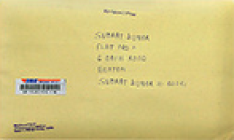 Front view
 Side view
 Back view
Your order will be securely packed and shipped within 24 hours. This is exactly what your package will look like (images of an actual item sent). It has the size and look of a regular private letter (9.4x4.3x0.3 in. or 24x11x0.7 cm) and its contents cannot be seen.
Isotroin — Comparison with alternatives
Isotroin Current Best price

Wynzora Best rated

Vaniqa

Synalar

