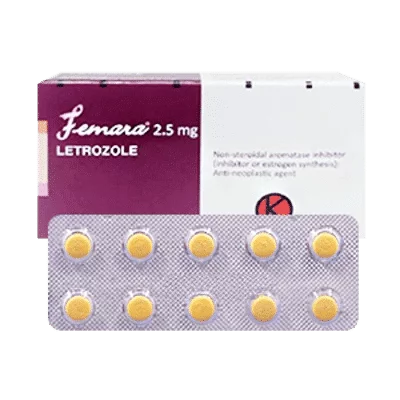
Femara is an oral medicine containing letrozole, an aromatase inhibitor. It is used mainly in post-menopausal women with hormone-receptor-positive breast cancer. It lowers estrogen production to help slow the growth of estrogen-dependent cancer cells.
Description
Femara is an oral anti-neoplastic agent that contains letrozole, a non-steroidal aromatase inhibitor. It is mainly used in post-menopausal women with hormone-receptor-positive breast cancer. By blocking estrogen production, it reduces the hormonal “fuel” that some breast cancer cells need to grow. [1]
Femara is a brand name for letrozole. Generic letrozole products contain the same active ingredient and are expected to provide similar clinical effect when used at the same dose, while allowing for differences in inactive ingredients and tablet appearance. [2]
Composition
Femara contains letrozole as the active ingredient, an aromatase inhibitor used in tablet form. It also includes standard tablet excipients that support stability, absorption, and manufacturing quality.
Dosage and usage
Femara is used to treat hormone receptor-positive breast cancer in postmenopausal women. It is also used to reduce the risk of cancer progression or recurrence by lowering estrogen production in the body.
How it works
Route: Oral tablets.
Dose: 2.5 mg once daily.
Timing: Take at the same time each day, with or without food.
Duration: Continue for as long as your oncologist prescribes, often for months to years.
How to take: Swallow the tablet whole with water; do not crush or chew it.
Indications
Femara is a hormone therapy medicine used in estrogen-dependent conditions, most importantly hormone-receptor-positive breast cancer after menopause.
Typical goals of treatment include:
Reducing recurrence risk after surgery and/or radiotherapy
Slowing progression in advanced breast cancer
Controlling disease after relapse where tumors remain hormone-sensitive
Femara (letrozole) is also used for ovulation induction in female infertility care, most often as an off-label approach in premenopausal women and females of reproductive potential under specialist supervision.
Comparison
Femara vs. Other Fertility Treatments
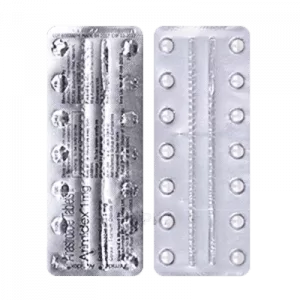
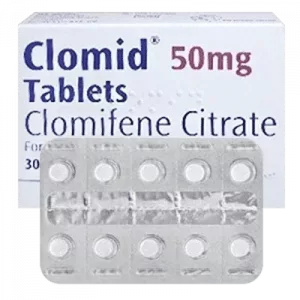
When letrozole is used for ovulation induction, comparisons usually focus on mechanism, endometrial effects, multiple-pregnancy risk, and tolerability. Femara (letrozole), clomiphene citrate (Clomid), and tamoxifen all influence estrogen pathways, yet they do it differently.
Selective estrogen receptor modulator with different tissue selectivity
Sometimes used when clomiphene is poorly tolerated; still needs specialist cycle monitoring
The trade-off is straightforward: aromatase inhibition can be a good fit for some ovulation induction plans, yet Femara is not designed as a fertility self-medication and should be used inside a fertility clinic protocol. For breast cancer, Femara sits in the standard aromatase inhibitor pathway and is often compared against other aromatase inhibitors (same class) or tamoxifen (different class) based on menopausal status and side-effect priorities.
Contraindications
Contraindications
This medication is NOT for you if:
You are pregnant or breastfeeding
You are a premenopausal woman using it outside a specialist fertility protocol
You have a known hypersensitivity to letrozole
You are a child or adolescent (safety and efficacy are not established)
Precautions That Change Monitoring
Bone health: baseline fracture risk, vitamin D status, and bone density monitoring when indicated
Lipids: cholesterol can rise, so lipid panels may be checked during treatment
Liver or kidney impairment: severe liver or kidney failure calls for extra caution and individualized decision-making
Driving and machinery: dizziness can occur, mainly early in therapy or after a dose timing change
Side effects
Side effects reflect estrogen suppression plus individual sensitivity. Many people can continue daily dosing, yet it is common to need symptom management strategies early on.
Commonly reported with letrozole:
Hot flashes and sweating
Headache or dizziness
Fatigue or low energy
Bone, muscle, or joint pain (arthralgia)
Nausea
Vaginal dryness or irritation
Mood changes, including low mood
Increased blood cholesterol
Some side effects are “schedule sensitive.” Joint stiffness often feels worse after sitting or first thing in the morning, while hot flashes often flare at night and disturb sleep.
Serious effects are less common but require prompt medical assessment, such as symptoms of an allergic reaction, severe chest pain, sudden shortness of breath, or new neurologic symptoms. Letrozole can also reduce bone mineral density over time, raising fracture risk in susceptible patients. [3]
Common mistakes
Taking Femara at a different time every day, leading to missed doses and a “start-stop” pattern that makes hot flashes and sleep disruption feel worse.
Stopping the medicine when joint pain begins, without discussing symptom management or alternative endocrine options with the oncology team.
Adding estrogen-containing therapy for dryness or menopausal symptoms, which can blunt the intended estrogen-lowering effect.
Assuming fatigue means the dose is “too high” and self-reducing; Femara is designed as a fixed daily dose, and under-dosing risks losing benefit.
Ignoring bone health basics: low calcium intake, low vitamin D, and no resistance exercise plan, which can compound aromatase-inhibitor bone effects.
What doctors say
Oncology teams usually describe Femara as a “long-game” medicine. Tumour control and recurrence reduction are the priority, so adherence is treated as a clinical outcome, not a lifestyle preference. In day-to-day practice, doctors often see three patterns: patients who do well with minimal symptoms, patients with joint pain that needs active management, and patients whose sleep and mood change enough to require a plan.
A practical point clinicians repeat is that symptom timing can mislead. Joint aches can start weeks after initiation, while cholesterol changes are silent until checked. Bone density loss is slow, so it is easy to ignore until a scan shows a drop.
Another observation from clinics is that stopping and restarting without a plan creates more side effects, not fewer. When a pause is needed, many oncologists prefer a structured approach: assess the symptom, address reversible causes (vitamin D deficiency, thyroid issues, new statin use), then decide whether to continue, switch endocrine therapy, or adjust supportive care.
Frequently asked questions
What should I do if I miss a dose?
If you miss a dose of letrozole, take it as soon as you remember on the same day. If it is almost time for the next dose, skip the missed tablet and return to your usual once-daily schedule. Do not take two doses at the same time. Femara is used for long-term estrogen suppression, and missed doses should be reported to your prescriber if they happen often.
How long does it take to feel side effects like joint pain or hot flashes?
Joint pain, hot flashes, and other letrozole side effects can start within days to a few weeks after treatment begins. These effects reflect the rapid drop in estrogen caused by aromatase inhibition. Some symptoms become clearer after steady daily use, while others may lessen as your body adjusts. New or severe symptoms should be reviewed by your oncology team, especially if you have bone loss or cardiovascular risk factors.
Can premenopausal women take Femara?
Femara is not used as a stand-alone treatment in premenopausal women because the ovaries still produce estrogen. In that setting, letrozole can stimulate hormonal feedback unless ovarian function is also suppressed. It is prescribed primarily for postmenopausal women with hormone receptor-positive breast cancer. Your oncologist will choose another regimen if you are not postmenopausal.
Does Femara affect cholesterol and bone density?
Yes. Letrozole can lower estrogen enough to reduce bone mineral density over time and may also affect cholesterol levels. These effects are linked to its aromatase inhibitor action and are more relevant with longer treatment. Bone health monitoring and lipid checks are often used during therapy, especially in patients with osteoporosis or heart disease risk.
Can I take Femara with tamoxifen?
Do not take letrozole together with tamoxifen unless your oncologist specifically instructs you to do so. Tamoxifen can reduce the effectiveness of aromatase inhibition, so the two medicines are generally not combined for routine treatment. Femara is intended for postmenopausal women with hormone-sensitive breast cancer, and treatment plans should be set by an oncology specialist. If you have taken both, contact your prescriber for advice.
Do you offer anonymous delivery?
Your order will be securely packed and shipped within 24 hours. This is exactly what your package will look like (images of an actual item sent). It has the size and look of a regular private letter (24x11x0.7 cm) and its contents cannot be seen.
I took Femara after surgery and radiation. Hot flashes started in the first two weeks and the sleep disruption was the hardest part. By month two I adjusted, and taking it at the same time every evening reduced the ups and downs.
6 Dec 2024
S
Saeed, 60
Abu Dhabi
Using for 14 months
Verified
Rating: 3.5 out of 5
Joint stiffness crept in slowly, more in my hands and knees in the morning. Walking helped, and my doctor checked vitamin D and added a bone plan. I stayed on it, but I had to be proactive.
9 Nov 2024
A
Aisha, 48
Sharjah
Using for 6 weeks
Verified
Rating: 3 out of 5
I felt more tired than expected and had headaches for the first month. It settled a bit, but I still had days where I needed a nap, which wasn’t typical for me. The benefit was the reason I continued, but the first weeks were not easy.
28 Nov 2024
N
Noor, 57
Al Ain
Using for 9 months
Verified
Rating: 3 out of 5
Vaginal dryness became noticeable and I didn’t connect it to estrogen suppression at first. Once I brought it up in clinic, we discussed non-hormonal options. My mood was a little flatter too, so I tracked it in a notes app to show the pattern.
15 Nov 2024
Sources
U.S. Food and Drug Administration (FDA) (2024). Letrozole — Prescribing Information (label).
European Medicines Agency (EMA) (2024). Letrozole — Summary of Product Characteristics (SmPC).
Cochrane (2022). Aromatase inhibitors versus tamoxifen in early breast cancer (systematic review).
MOHAP (Ministry of Health and Prevention) (2025). Medication safety guidance for patients (public guidance).